Sedum oxypetalum
Sedum oxypetalum · Accepted scientific name
Scientific literature: Very Sparse (0 studies) · ★☆☆☆☆
Sedum oxypetalum is a fascinating plant species that has become a subject of interest in biochemical research. Scientific investigations into its composition have identified specific chemical constituents, including Sedoheptulose and Syngenite. Researchers often utilize aqueous extract and hexane extracts to study the plant's diverse biological properties. These preparations are frequently tested for their efficacy against various microorganisms, such as Aspergillus niger and Candida albicans. Understanding these interactions provides valuable insight into the therapeutic potential of this unique succulent.
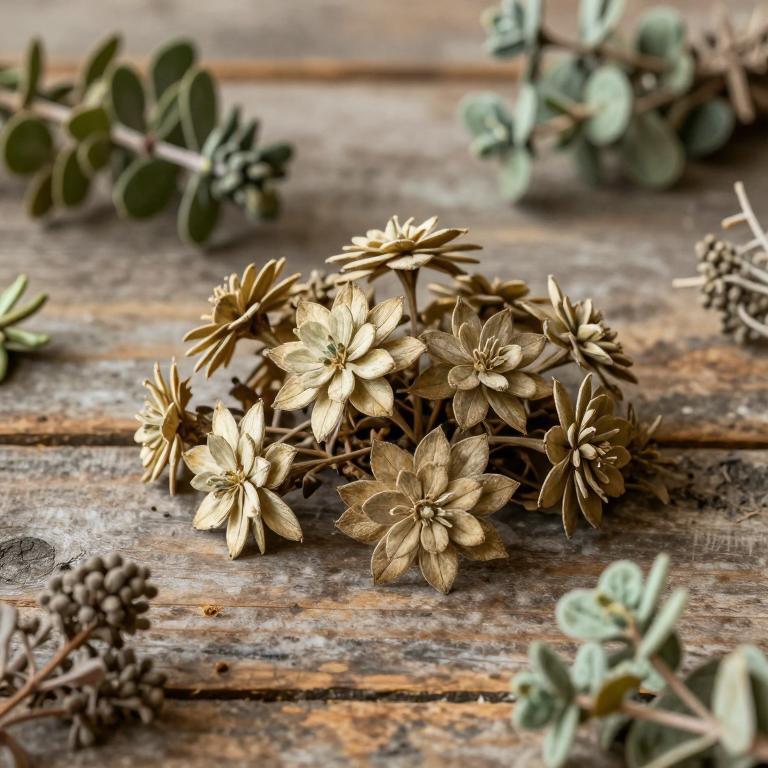
- Synonyms
- Sedum Arborescens · Sedum Peregrinum
- Common names
- Not available
- Family
- Crassulaceae
- Distribution
- Asia-Tropical
- Plant Parts
- Not available
Classification
Common Names
Sedum oxypetalum is a fascinating succulent that is known by several distinct names across different cultures. In English-speaking regions, it is frequently referred to by its common name, Dwarf Tree Stonecrop. It also holds a special place in Spanish-speaking communities, where it is often called siempreviva copalito. Those looking toward Japan might recognize this plant as ウスバキダチベンケイ. Regardless of the name used, this resilient species remains a beloved choice for plant enthusiasts worldwide.
Sources: Catalogue of Life (COL)
Synonyms
Sedum oxypetalum is a versatile succulent that is often identified through several different botanical names. In many horticultural circles, this plant is recognized by the synonym Sedum arborescens. It is also frequently referred to as Sedum peregrinum, depending on the specific taxonomic classification used. These overlapping names can sometimes cause confusion for gardeners searching for precise care instructions. Understanding these synonyms is essential for accurately identifying the species in various botanical databases.
Sources: The World Checklist of Vascular Plants (WCVP)
Taxonomy
Sedum oxypetalum belongs to the vast kingdom Plantae, representing the diverse world of multicellular organisms. Within this kingdom, it is classified under the class Equisetopsida and falls into the order Saxifragales. As a member of the Crassulaceae family, it shares botanical characteristics with many other succulent species. This plant is further identified by its specific genus, Sedum, which highlights its unique evolutionary lineage. Understanding these taxonomic relationships provides essential insight into the biological identity of this fascinating species.
| Rank | Classification |
|---|---|
| Kingdom | Plantae |
| Phylum | Streptophyta |
| Class | Equisetopsida |
| Subclass | Magnoliidae |
| Order | Saxifragales |
| Family | Crassulaceae |
| Genus | Sedum |
Sources: The World Checklist of Vascular Plants (WCVP)
Distribution
Geographic Regions
Sedum oxypetalum is a resilient plant found across various regions of Northern America. Its natural distribution extends deeply into Mexico, where it thrives in several distinct environments. Specifically, it can be located throughout the central parts of the country. The plant also establishes itself in the northeast regions of Mexico. Furthermore, its presence is well-documented across the southwestern territories of the nation.
Sources: The World Checklist of Vascular Plants (WCVP)
Identification
Biological Activities
Compounds
Sedum oxypetalum is a medicinal plant traditionally used to treat periodontal diseases and strengthen teeth. Chemical characterization of its aqueous extract reveals that the plant contains key bioactive components such as sedoheptulose and syngenite. Research indicates that sedoheptulose plays a vital role in promoting the proliferation and osteogenic differentiation of human periodontal ligament-derived cells. Additionally, the presence of syngenite within the plant assists in the induction of hydroxyapatite crystal formation. Together, these substances support the plant's significant potential for the regeneration of mineralized tissues.
Conditions
Sedum oxypetalum demonstrates significant antifungal activity against a variety of fungal species. Its hexane extracts are particularly effective at treating the non-dermatophyte Aspergillus niger. The plant also shows a strong capacity to combat the yeast Candida albicans. Furthermore, it serves as a potent treatment for the dermatophyte Trichophyton mentagrophytes. Finally, Sedum oxypetalum proves successful in addressing infections caused by Trichophyton rubrum.
Preparations
Sedum oxypetalum is prepared as an aqueous extract to investigate its capacity for promoting the regeneration of mineralized tissues. This specific aqueous extract has been shown to induce mineralization and osteogenic differentiation in human periodontal ligament-derived cells. Additionally, Sedum oxypetalum is prepared as hexane extracts to evaluate its medicinal properties against various fungal species. The research indicates that these hexane extracts demonstrate a strong antifungal effect against dermatophytes and yeast. Both preparation methods highlight the diverse pharmacological potential of the plant in traditional Mexican medicine.