Securinega
Securinega · Accepted scientific name
Scientific literature: Very Sparse (0 studies) · ★☆☆☆☆
Securinega is a diverse genus of flowering plants that has long been a subject of pharmacological interest. Within its various species, the potent alkaloid known as securinine has been identified as a significant bioactive compound. Recent scientific investigations have begun to explore the therapeutic potential of these chemical constituents in complex medical landscapes. Specifically, researchers are examining how derivatives of these compounds might impact the progression of Acute Myeloid Leukemia. This ongoing study seeks to bridge the gap between traditional botanical knowledge and modern oncological treatments.
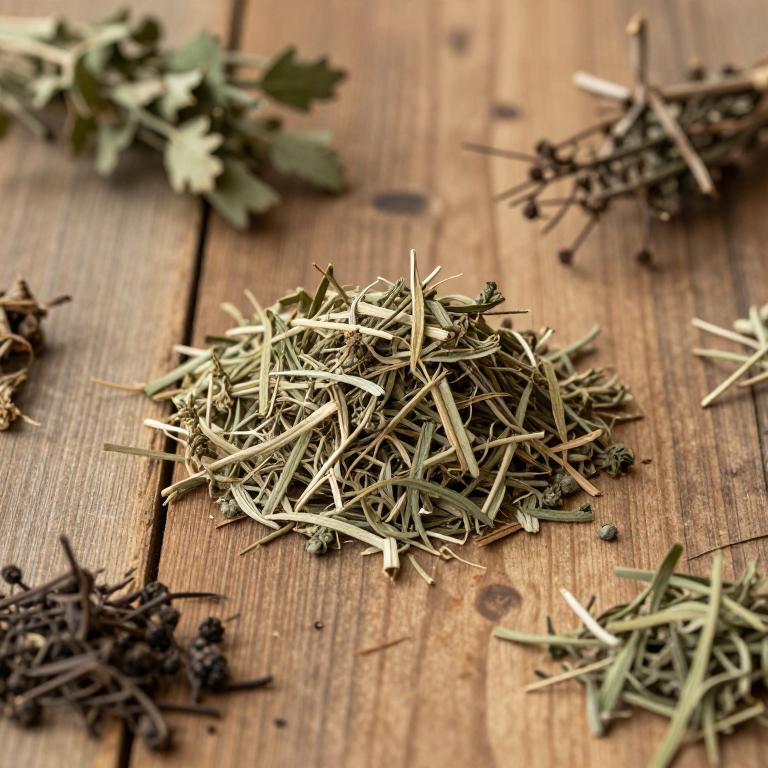
- Synonyms
- Not available
- Common names
- Not available
- Family
- Phyllanthaceae
- Distribution
- Not available
- Plant Parts
- Not available
Classification
Common Names
Securinega is a versatile genus of plants known by several distinct names across different regions and languages. In many English-speaking areas, it is commonly referred to as Bushweeds or simply by its scientific name, Securinega. In a Korean linguistic context, the genus is identified through the terms 광대싸리속 and 조도만두나무속. These diverse nomenclatures reflect the plant's widespread presence and its varied roles in different botanical studies. Understanding these common names helps researchers and enthusiasts navigate the complex world of plant identification.
Sources: Catalogue of Life (COL)
Taxonomy
Securinega is a fascinating member of the kingdom Plantae that showcases the intricate diversity of the natural world. This plant is classified under the class Equisetopsida and belongs to the diverse order Malpighiales. Within this lineage, it is specifically situated in the family Phyllanthaceae. As a representative of its own genus, Securinega, it holds a distinct place in botanical studies. Understanding these hierarchical relationships provides essential insight into the evolutionary history of the species.
| Rank | Classification |
|---|---|
| Kingdom | Plantae |
| Phylum | Streptophyta |
| Class | Equisetopsida |
| Subclass | Magnoliidae |
| Order | Malpighiales |
| Family | Phyllanthaceae |
| Genus | Securinega |
Sources: The World Checklist of Vascular Plants (WCVP)
Distribution
Geographic Regions
Securinega exhibits a widespread distribution pattern centered primarily throughout the African continent. Its presence extends significantly across the Western Indian Ocean, highlighting its ecological importance in maritime regions. The genus can be found flourishing in the unique landscapes of Madagascar and the Comoros. Furthermore, these plants are established in the island territories of Mauritius and Rodrigues. Their range is completed by successful populations documented in Réunion, cementing their status as a key regional flora.
Sources: The World Checklist of Vascular Plants (WCVP)
Identification
Biological Activities
Compounds
Securinega serves as a prolific source of a diverse family of plant secondary metabolites known as Securinega alkaloids. Among the many compounds identified within this genus, securinine stands out as the most abundant and extensively studied. Research into the biosynthetic pathways of these plants has also highlighted the presence of several other specific alkaloids, including flueggine A and virosaine A. Additionally, the genus contains complex oligomeric structures such as flueggedine and fluevirosinine A. These various chemical constituents continue to be a significant focus of phytochemical and biological studies.
Conditions
Securinega alkaloids, particularly the compound securinine, have demonstrated promising anticancer properties in recent studies. Specifically, securinine has shown marked benefits in the treatment of acute myeloid leukemia. This biological activity highlights the potential of these plant secondary metabolites in oncological applications. While previous research focused on central nervous system effects, the focus has shifted toward these significant therapeutic results. These findings underscore the importance of exploring the medicinal value of the Securinega genus.