Searsia retinorrhoea
Searsia retinorrhoea · Accepted scientific name
Scientific literature: Very Sparse (0 studies) · ★☆☆☆☆
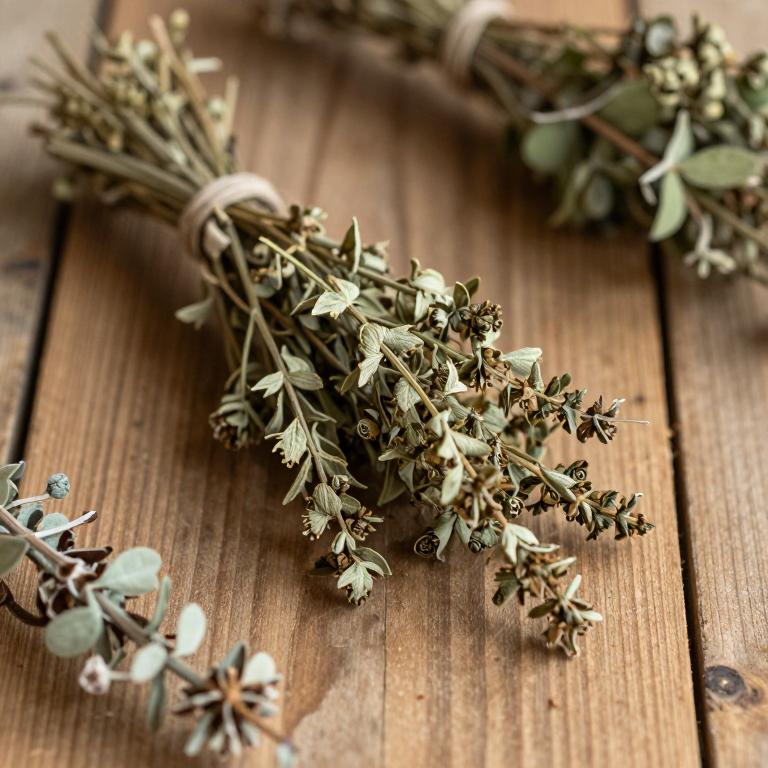
Searsia retinorrhoea is a versatile evergreen shrub native to various regions of Southern Africa. This plant is highly valued in landscaping for its dense foliage and ability to thrive in diverse environmental conditions. Beyond its ornamental appeal, scientific studies have identified significant bioactive compounds within its chemical profile. Notably, the presence of the flavanone sakuranetin highlights the plant's potential interest in pharmacological research. Understanding these chemical properties offers valuable insights into the therapeutic possibilities offered by this species.
- Synonyms
- Rhus Retinorrhoea · Toxicodendron Retinorrhoeum
- Common names
- Not available
- Family
- Anacardiaceae
- Distribution
- Not available
- Plant Parts
- Not available
Classification
Synonyms
Searsia retinorrhoea is a plant species that is frequently identified by several different botanical names. In many scientific circles, it is recognized by the synonym Rhus retinorrhoea. Furthermore, the plant is also linked to the name Toxicodendron retinorrhoeum in certain taxonomic classifications. These overlapping synonyms can often cause confusion for researchers and gardeners alike. Understanding these relationships is essential for ensuring accurate identification within the botanical community.
Sources: The World Checklist of Vascular Plants (WCVP)
Taxonomy
Searsia retinorrhoea is a distinctive member of the kingdom Plantae. Within this vast botanical realm, the species is classified under the class Equisetopsida. It belongs to the order Sapindales, which helps define its evolutionary lineage. This plant is a representative of the genus Searsia, showcasing unique morphological traits. Finally, it finds its specific biological home within the family Anacardiaceae.
| Rank | Classification |
|---|---|
| Kingdom | Plantae |
| Phylum | Streptophyta |
| Class | Equisetopsida |
| Subclass | Magnoliidae |
| Order | Sapindales |
| Family | Anacardiaceae |
| Genus | Searsia |
Sources: The World Checklist of Vascular Plants (WCVP)
Distribution
Geographic Regions
Searsia retinorrhoea is a resilient species with a notable presence across the African continent. Its distribution is particularly concentrated within the Northeast Tropical Africa region. Within this area, the plant can be found growing in the landscapes of Djibouti and Eritrea. It also thrives across the diverse terrains of Ethiopia and Somalia. Furthermore, its range extends through the territories of Sudan and South Sudan, highlighting its widespread ecological footprint.
Sources: The World Checklist of Vascular Plants (WCVP)
Identification
Morphology
Searsia retinorrhoea is characterized by its distinct growth form as a versatile shrub.
Sources: Global Inventory of Floras and Traits (GIFT)
Biological Activities
Compounds
Searsia retinorrhoea, also known as Rhus retinorrhoea, has been identified as a significant source of the bioactive compound sakuranetin. Through the use of a validated HPTLC method, researchers were able to quantify this specific constituent within both chloroform and ethanol extracts of the plant's aerial parts. The analysis revealed that the ethanol extract of the species contained a particularly high concentration of sakuranetin, reaching 27.95 μg/mg. This presence of sakuranetin is directly linked to the robust antioxidant properties observed during DPPH and β-carotene-linoleic acid bleaching assays. Ultimately, these findings highlight the importance of sakuranetin in supporting the medicinal potential of this species for future herbal formulations.