Searsia crenata
Searsia crenata · Accepted scientific name
Scientific literature: Very Sparse (0 studies) · ★☆☆☆☆
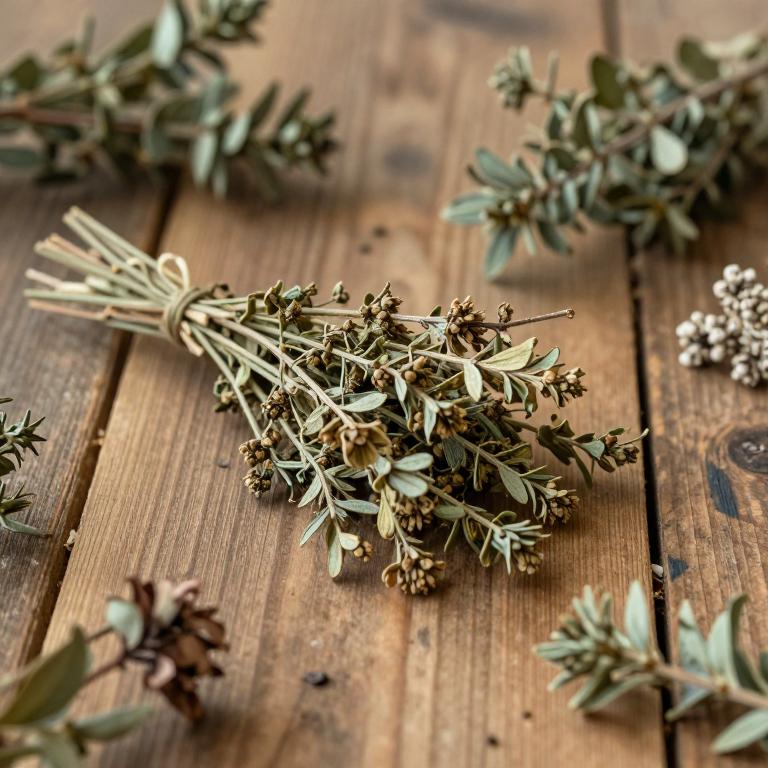
Searsia crenata, commonly known as the dwarf Natal medlar, is a versatile evergreen shrub prized for its dense, glossy foliage. This hardy species thrives in various environments and is frequently utilized in landscaping for both privacy screening and ornamental hedging. Its compact growth habit makes it an ideal choice for smaller gardens or as a structural element in larger landscapes. The plant produces small, inconspicuous flowers that eventually give way to interesting berry-like fruits. Because of its adaptability and aesthetic appeal, it remains a staple in many subtropical horticultural collections.
- Synonyms
- Rhus Crenata
- Common names
- Not available
- Family
- Anacardiaceae
- Distribution
- Africa
- Plant Parts
- Not available
Classification
Common Names
Searsia crenata is a versatile plant recognized by a variety of common names across different regions. It is frequently referred to as the Blue-Fruited Currant-Rhus, though variations like Blue-fruit Currant-rhus and Bluefruit Currantrhus are also used. In certain areas, it is simply known by the descriptive name Crowberry. Furthermore, the species holds a place in local vernacular as the Duinekraaibessie. These diverse naming conventions highlight the plant's widespread recognition and cultural presence.
Sources: Catalogue of Life (COL)
Synonyms
Searsia crenata is a versatile shrub that is frequently recognized by its alternative botanical name, Rhus crenata. This taxonomic synonym highlights the historical shifts in botanical classification that have shaped our understanding of the species. While researchers may use different labels depending on the scientific literature, both names refer to the same distinct plant. Understanding these nomenclatural connections is essential for gardeners and botanists aiming to identify the specimen accurately. Consequently, recognizing the relationship between these two names ensures consistency in horticultural studies.
Sources: The World Checklist of Vascular Plants (WCVP)
Taxonomy
Searsia crenata is a fascinating specimen that belongs to the vast kingdom Plantae. Within this biological realm, it is specifically classified under the class Equisetopsida. The plant is further organized into the order Sapindales, showcasing its evolutionary connections. It finds its place within the diverse family Anacardiaceae, a group known for many significant species. Finally, this plant is identified by its specific genus, Searsia, which defines its unique botanical characteristics.
| Rank | Classification |
|---|---|
| Kingdom | Plantae |
| Phylum | Streptophyta |
| Class | Equisetopsida |
| Subclass | Magnoliidae |
| Order | Sapindales |
| Family | Anacardiaceae |
| Genus | Searsia |
Sources: The World Checklist of Vascular Plants (WCVP)
Distribution
Geographic Regions
Searsia crenata is a resilient plant species native to the vast continent of Africa. Within the Southern African region, it maintains a notable presence across several key ecological zones. Its distribution is particularly prominent throughout the Cape Provinces, where it has adapted to the local environment. Additionally, the species flourishes within the subtropical landscapes of KwaZulu-Natal. This wide geographic range highlights the plant's ability to thrive in diverse southern habitats.
Sources: The World Checklist of Vascular Plants (WCVP)
Identification
Morphology
Searsia crenata is a self-supporting shrub that adds structure to any garden landscape. This versatile plant exhibits a flexible growth habit, reaching a minimum height of 0.5 meters. Depending on its environment, it can flourish into a much larger form with a maximum height of 4 meters. Its sturdy nature makes it an excellent choice for creating natural privacy screens or decorative borders.
Sources: Global Inventory of Floras and Traits (GIFT)
Biological Activities
Compounds
Conditions
Searsia crenata, a member of the Rhus genus, demonstrates significant anti-inflammatory potential by reducing key biological markers. Specifically, this plant has been shown to treat inflammation by decreasing levels of the mediator IL-1β. It also effectively targets and reduces the presence of IL-6 within biological systems. Furthermore, Searsia crenata works to treat inflammatory responses by lowering TNF-α. These combined actions highlight the plant's ability to modulate critical inflammatory mediators.