Scutellaria regeliana
Scutellaria regeliana · Accepted scientific name
Scientific literature: Very Sparse (0 studies) · ★☆☆☆☆
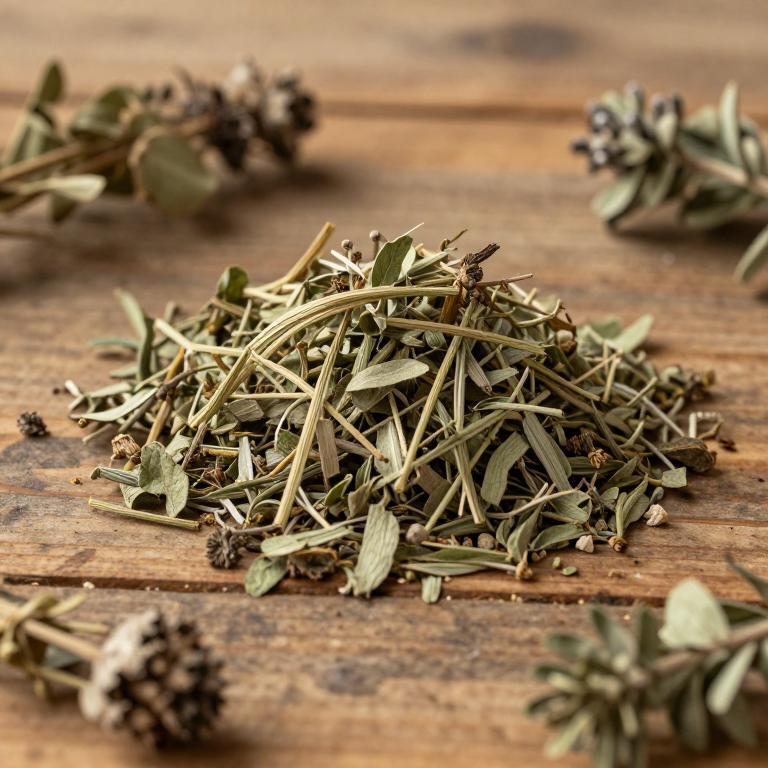
Scutellaria regeliana is a distinctive herbaceous species belonging to the Lamiaceae family, commonly known as a type of skullcap. This plant is characterized by its unique floral structure and is primarily found in specific high-altitude habitats. In various traditional practices, the whole plant is utilized for its potential medicinal properties. Botanists study its morphology to better understand its role within its native ecosystem. Understanding the characteristics of this species is essential for anyone interested in specialized mountain flora.
- Synonyms
- Scutellaria Galericulata F. Angustifolia
- Common names
- Not available
- Family
- Lamiaceae
- Distribution
- Southern America
- Plant Parts
- Not available
Classification
Common Names
Scutellaria regeliana is a distinctive species known by various names across different languages and regions. In English-speaking areas, it is most frequently referred to by its common name, the slender-leaf skullcap. The plant also holds specific designations in Russian, appearing as Шлемник Регеля or Шлемник регелевский. Moving to Japan, the species is identified through the names ナガバナミキソウ and ホソバナミキ. These diverse common names highlight the global recognition of this unique botanical specimen.
Sources: Catalogue of Life (COL)
Synonyms
Scutellaria regeliana is a distinctive plant species often recognized in botanical studies. It is important to note that this taxon is also identified by the synonym Scutellaria galericulata f. angustifolia. This taxonomic relationship highlights the complex classification history inherent in many wildflower species. Understanding these naming variations ensures accuracy when researchers or gardeners identify the plant in the field. Consequently, recognizing both names allows for a more comprehensive grasp of its botanical identity.
Sources: The World Checklist of Vascular Plants (WCVP)
Taxonomy
Scutellaria regeliana is a distinctive member of the kingdom Plantae. Within this vast biological realm, the plant is classified under the class Equisetopsida. It belongs to the order Lamiales, a group that highlights its evolutionary lineage. Furthermore, its botanical identity is defined by its placement in the family Lamiaceae. Ultimately, this species is recognized by its specific genus, Scutellaria.
| Rank | Classification |
|---|---|
| Kingdom | Plantae |
| Phylum | Streptophyta |
| Class | Equisetopsida |
| Subclass | Magnoliidae |
| Order | Lamiales |
| Family | Lamiaceae |
| Genus | Scutellaria |
Sources: The World Checklist of Vascular Plants (WCVP)
Distribution
Geographic Regions
Scutellaria regeliana is a plant species primarily found across the temperate regions of Asia. Its geographic range extends through various parts of China, including the north-central areas, Inner Mongolia, and Manchuria. Beyond the Chinese borders, the species is also widely distributed throughout Mongolia. Additionally, it can be found thriving in the eastern reaches of Asia, specifically within Korea. This widespread distribution highlights the plant's ability to inhabit diverse temperate landscapes across the continent.
Sources: The World Checklist of Vascular Plants (WCVP)
Identification
Morphology
Scutellaria regeliana is a delicate herb that maintains a self-supporting growth form. This plant typically reaches a maximum height of 0.6 meters, though it can be found as small as 0.1 meters. Its compact structure allows it to thrive within its specific ecological niche. These growth characteristics define the physical presence of the species in the wild.
Sources: Global Inventory of Floras and Traits (GIFT)
Biological Activities
Compounds
Conditions
Scutellaria regeliana exhibits significant anti-inflammatory activities through the action of its isolated neo-clerodane diterpenoids. These compounds, specifically scuregeliolides A-C, function by inhibiting the release of pro-inflammatory cytokines such as TNF-α, IL-6, and IL-1β. Furthermore, the plant demonstrates medicinal potential by preventing the release of β-glucuronidase from PAF-stimulated PMNs. This dual mechanism highlights the plant's ability to mitigate various inflammatory responses at a cellular level. Consequently, the chemical constituents of Scutellaria regeliana serve as effective agents in managing inflammatory processes.
Preparations
Scutellaria regeliana is prepared as the whole plant to facilitate the isolation of its specialized chemical compounds. Researchers utilized the entire plant to extract three new neo-clerodane diterpenoids known as scuregeliolides A-C. These specific compounds were successfully identified through integrated spectroscopic techniques and electronic circular dichroism calculations. The use of the whole plant allowed for the discovery of these molecules which exhibit significant anti-inflammatory activities. Ultimately, the preparation of the whole Scutellaria regeliana specimen provided the necessary material to study the inhibition of various inflammatory cytokines.