Scutellaria coccinea
Scutellaria coccinea · Accepted scientific name
Scientific literature: Very Sparse (0 studies) · ★☆☆☆☆
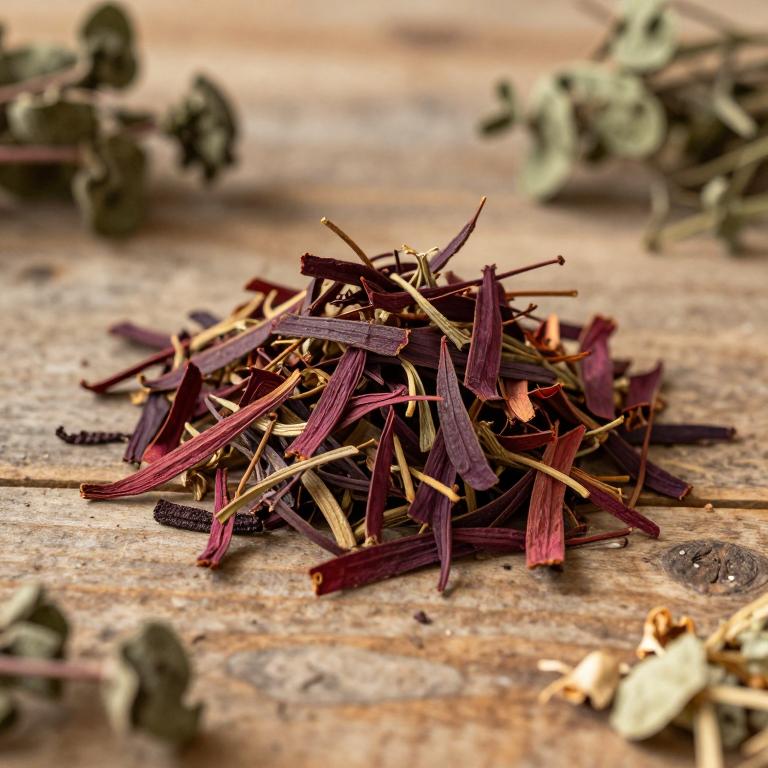
Scutellaria coccinea is a medicinal plant that has garnered significant attention for its potential therapeutic properties in combating infectious diseases. Recent research has focused specifically on its efficacy in addressing the challenges posed by the Dengue Virus. Through the specialized preparation of UAE extracts, scientists are exploring the bioactive compounds contained within this species. These extracts aim to provide a concentrated source of antiviral agents to mitigate viral replication. Understanding the pharmacological potential of Scutellaria coccinea could offer new pathways for managing Dengue symptoms and progression.
- Synonyms
- Scutellaria Hartwegii · Scutellaria Atriplicifolia
- Common names
- Not available
- Family
- Lamiaceae
- Distribution
- Not available
- Plant Parts
- Not available
Classification
Synonyms
Scutellaria coccinea is a fascinating species that is frequently identified by various botanical names in scientific literature. Due to taxonomic shifts, this plant is officially recognized as having several synonyms. For instance, it has been documented under the name Scutellaria atriplicifolia in certain collections. Furthermore, the species is also associated with the synonym Scutellaria hartwegii. Understanding these nomenclatural relationships is essential for researchers tracking the plant's true identity.
Sources: The World Checklist of Vascular Plants (WCVP)
Taxonomy
Scutellaria coccinea is a distinctive member of the kingdom Plantae. Within this vast biological realm, the species is classified under the class Equisetopsida. It belongs to the specific order Lamiales, showcasing its evolutionary connections. Furthermore, it is nested within the family Lamiaceae, a group known for many aromatic herbs. Ultimately, this plant is identified by its placement in the genus Scutellaria.
| Rank | Classification |
|---|---|
| Kingdom | Plantae |
| Phylum | Streptophyta |
| Class | Equisetopsida |
| Subclass | Magnoliidae |
| Order | Lamiales |
| Family | Lamiaceae |
| Genus | Scutellaria |
Sources: The World Checklist of Vascular Plants (WCVP)
Distribution
Geographic Regions
Scutellaria coccinea is a plant species with a broad geographical presence throughout much of the tropical Americas. Its distribution spans the Caribbean and the islands of Trinidad and Tobago, establishing a strong foothold in these maritime regions. Within the mainland, the species is widely found across Northern South America, with notable populations in Venezuela. The plant also extends its reach into Western South America, flourishing in the diverse landscapes of Colombia and Ecuador. Finally, its range continues southward into Peru, marking a significant presence across the South American continent.
Sources: The World Checklist of Vascular Plants (WCVP)
Identification
Morphology
Scutellaria coccinea is a self-supporting herb characterized by its distinct growth form. This resilient plant maintains its upright structure without the need for external support.
Sources: Global Inventory of Floras and Traits (GIFT)
Biological Activities
Compounds
Conditions
Scutellaria coccinea demonstrates significant antiviral activity against the dengue virus through its specific chemical composition. Research indicates that ultrasonic-assisted solvent extracts of this plant contain high concentrations of flavonoid glycosides. These glycosides contribute to the plant's ability to inhibit viral adsorption, resulting in measurable inhibitory concentrations. Molecular docking analyses further reveal that these flavonoids possess a high binding affinity for essential viral target proteins. Consequently, the plant serves as a promising biological foundation for developing new plant-based therapies to treat dengue.
Preparations
Scutellaria coccinea is prepared as UAE extracts to facilitate the study of its chemical composition and medicinal potential. These ultrasonic-assisted solvent extraction methods were used to isolate specific flavonoid classes from the plant. The resulting extracts were found to contain high levels of flavonoid glycosides compared to aglycones. Such a chemical profile contributed to the observed antiviral effects against the dengue virus during testing. This specific preparation method is essential for identifying the compounds that provide binding affinity to target viral proteins.