Scrophularia oblongifolia
Scrophularia oblongifolia · Accepted scientific name
Scientific literature: Very Sparse (23 studies) · ★☆☆☆☆
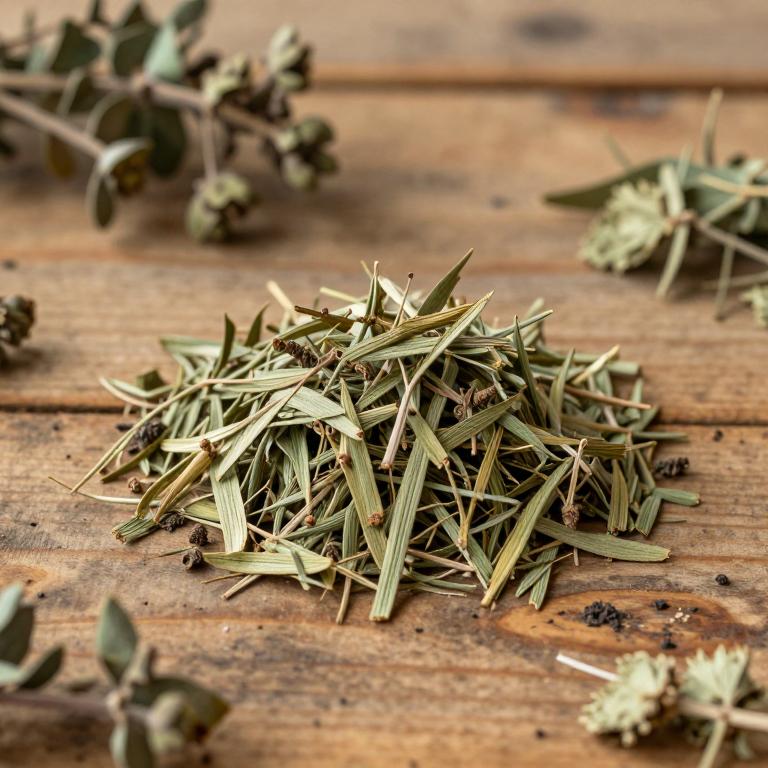
Scrophularia oblongifolia, scientifically known as Scrophularia oblongifolia, is a resilient perennial herb native to various temperate regions. Renowned in traditional herbalism, this plant belongs to the Scrophulariaceae family. It is often studied for its unique phytochemical properties and its potential therapeutic applications in supporting holistic wellness and healing.
- Family
- Not available
- Native range
- Europe
- Parts used
- Rhizome
- Common names
- Not available
- Scientific synonyms
- Not available
Names and Synonyms
Scientific Names
Accepted name
Scrophularia oblongifoliaDistribution
This plant exhibits a specific distribution pattern primarily concentrated across several regions of Europe. In Northern Europe, its presence is documented in Denmark, Great Britain, and Ireland. The species can also be found further north within the territory of Sweden. Additionally, its range extends into Middle Europe, specifically within Austria. Together, these locations define the known geographical spread of Scrophularia oblongifolia.
| Region | Area |
|---|---|
| Northern Europe | Denmark |
| Northern Europe | Great Britain |
| Northern Europe | Ireland |
| Northern Europe | Sweden |
| Middle Europe | Austria |
| Middle Europe | Belgium |
| Middle Europe | Czechia-Slovakia |
| Middle Europe | Germany |
| Middle Europe | Netherlands |
| Middle Europe | Poland |
Sources: The World Checklist of Vascular Plants (WCVP)
Plant Parts
Scrophularia oblongifolia has 1 reported plant parts identified across 1 scientific publications and several other databases that are studied for medicinal purposes. The most consistently reported plant part include rhizome.
| Plant part | Supporting sources | Consensus |
|---|---|---|
| Rhizome | 1 supporting sources | ★☆☆☆☆ |
Rhizome
- Iranian journal of pharmaceutical research : IJPR
Chemicals
Scrophularia oblongifolia has 1 reported phytochemicals identified across 1 scientific publications and several other databases. The most consistently reported chemicals include Aucubin.
| Chemical | Supporting sources | Consensus |
|---|---|---|
| Aucubin | 1 supporting sources | ★☆☆☆☆ |
Aucubin
- Dr. Duke
Activities
Scrophularia oblongifolia has 21 reported activities identified across 1 scientific publications and several other databases. The most consistently reported activities include Antibacterial, Antidote (Amanitin), Antiedemic, Antiinflammatory, Antileukemic.
| Activity | Supporting sources | Consensus |
|---|---|---|
| Antibacterial | 1 supporting sources | ★☆☆☆☆ |
| Antidote (Amanitin) | 1 supporting sources | ★☆☆☆☆ |
| Antiedemic | 1 supporting sources | ★☆☆☆☆ |
| Antiinflammatory | 1 supporting sources | ★☆☆☆☆ |
| Antileukemic | 1 supporting sources | ★☆☆☆☆ |
| Antimalarial | 1 supporting sources | ★☆☆☆☆ |
| Antioxidant | 1 supporting sources | ★☆☆☆☆ |
| Antiprolactin | 1 supporting sources | ★☆☆☆☆ |
| Antistaphylococcic | 1 supporting sources | ★☆☆☆☆ |
| Candidicide | 1 supporting sources | ★☆☆☆☆ |
Antibacterial
- Dr. Duke
Antidote (Amanitin)
- Dr. Duke
Antiedemic
- Dr. Duke
Antiinflammatory
- Dr. Duke
Antileukemic
- Dr. Duke
Antimalarial
- Iranian journal of pharmaceutical research : IJPR
Antioxidant
- Dr. Duke
Antiprolactin
- Dr. Duke
Antistaphylococcic
- Dr. Duke
Candidicide
- Dr. Duke