Scrophularia frutescens
Scrophularia frutescens · Accepted scientific name
Scientific literature: Very Sparse (3 studies) · ★☆☆☆☆
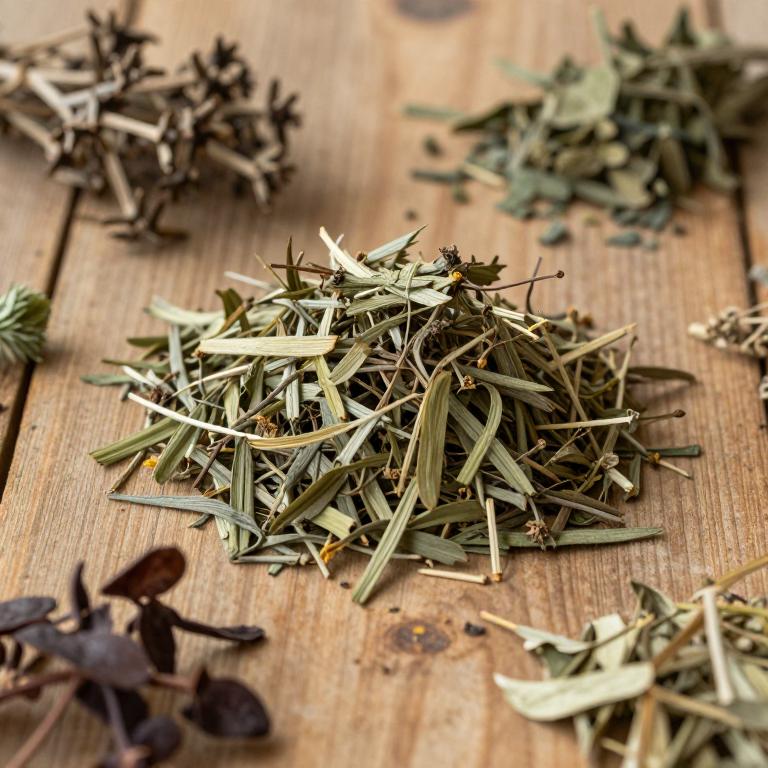
, scientifically known as Scrophularia frutescens, is a resilient perennial shrub native to the Mediterranean region. Often referred to as bushy figwort, this plant is valued in traditional herbalism for its potential therapeutic properties. Its distinctive flowering structure and hardy nature make it a fascinating subject for botanical study.
- Family
- Scrophulariaceae
- Native range
- Europe
- Parts used
- Not available
- Common names
- Not available
- Scientific synonyms
- Scrophularia Canina Subsp. Frutescens · Scrophularia Canina Var. Frutescens
Names and Synonyms
Scientific Names
Accepted name
Scrophularia frutescensSynonyms
- Scrophularia canina subsp. frutescens
- Scrophularia canina var. frutescens
Sources: Wikidata
Taxonomical Classification
This plant belongs to the kingdom Plantae and is classified under the phylum Streptophyta and the class Equisetopsida. Within the subclass Magnoliidae, it is further organized into the order Lamiales and the family Scrophulariaceae. Finally, its specific taxonomic identity is defined by the genus Scrophularia.
| Rank | Classification |
|---|---|
| Kingdom | Plantae |
| Phylum | Streptophyta |
| Class | Equisetopsida |
| Subclass | Magnoliidae |
| Order | Lamiales |
| Family | Scrophulariaceae |
| Genus | Scrophularia |
Sources: The World Checklist of Vascular Plants (WCVP)
Distribution
This plant exhibits a diverse range of habitats across several different regions. In Southwestern Europe, its presence is well-documented in both Portugal and Spain. Its distribution extends into Southeastern Europe, specifically within the island of Sicilia. Moving toward Northern Africa, the species can be found growing in Algeria. Finally, the plant is also known to inhabit the coastal and inland areas of Morocco.
| Region | Area |
|---|---|
| Southwestern Europe | Portugal |
| Southwestern Europe | Spain |
| Southeastern Europe | Sicilia |
| Northern Africa | Algeria |
| Northern Africa | Morocco |
Sources: The World Checklist of Vascular Plants (WCVP)
Chemicals
Scrophularia frutescens has 1 reported phytochemicals identified across 0 scientific publications and several other databases. The most consistently reported chemicals include p-Hydroxybenzoic.
| Chemical | Supporting sources | Consensus |
|---|---|---|
| p-Hydroxybenzoic | 1 supporting sources | ★☆☆☆☆ |
p-Hydroxybenzoic
- Journal of ethnopharmacology
Activities
Scrophularia frutescens has 1 reported activities identified across 0 scientific publications and several other databases. The most consistently reported activities include Antibacterial.
| Activity | Supporting sources | Consensus |
|---|---|---|
| Antibacterial | 1 supporting sources | ★☆☆☆☆ |
Antibacterial
- The Journal of pharmacy and pharmacology