Scrophularia cryptophila
Scrophularia cryptophila · Accepted scientific name
Scientific literature: Very Sparse (2 studies) · ★☆☆☆☆
Scrophularia cryptophila is a botanical species that has garnered scientific interest due to its diverse pharmacological potential. Recent studies have focused on evaluating its medicinal properties, specifically highlighting its analgesic and antipyretic activities. Researchers have utilized chloroform (CHCl3) extracts to investigate the plant's chemical constituents and biological effects. These investigations have provided critical data regarding the plant's efficacy against conditions such as Plasmodium yoelii. Consequently, this species represents a promising subject for further exploration in the search for new therapeutic agents.
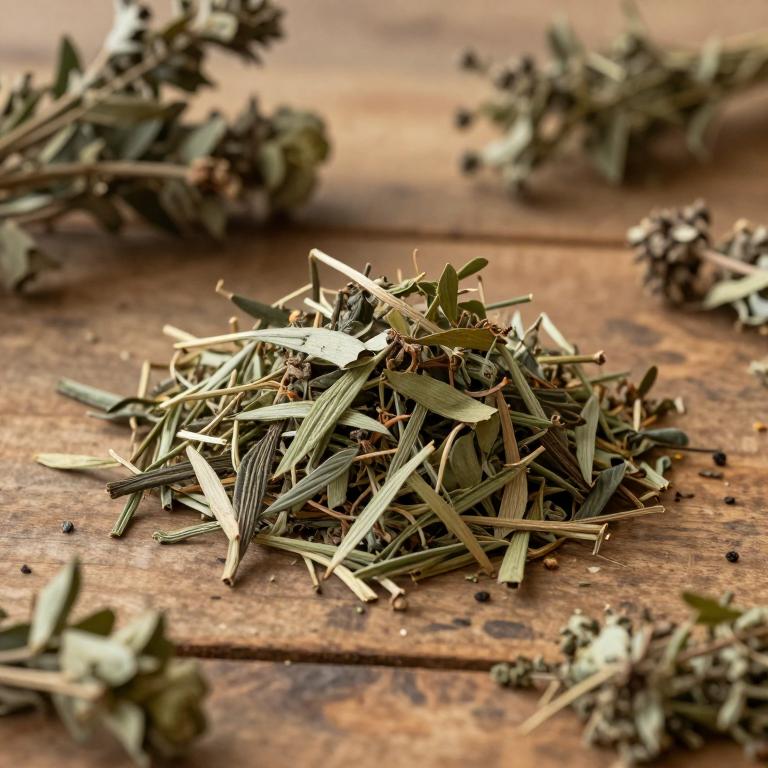
- Synonyms
- Scrophularia Praeterita
- Common names
- Not available
- Family
- Scrophulariaceae
- Distribution
- Not available
- Plant Parts
- Not available
Classification
Common Names
Scrophularia cryptophila is a distinct botanical species known to many locals by its common name, Ören Sıracaotu. This plant holds a significant place in regional flora, often identified by its unique structural characteristics. Understanding its relationship to the broader Scrophularia genus helps researchers categorize its specific ecological niche. By recognizing it as Ören Sıracaotu, enthusiasts can more easily document its presence within various natural habitats. Such naming conventions bridge the gap between formal scientific classification and traditional regional knowledge.
Sources: Catalogue of Life (COL)
Synonyms
Scrophularia cryptophila is a distinctive plant species that is frequently identified in botanical literature under different names. It is officially recognized as having a direct synonym, Scrophularia praeterita. This nomenclatural relationship means that both names refer to the same biological entity. Understanding these taxonomic connections is essential for researchers to ensure accuracy when studying the species. Consequently, recognizing these synonyms helps prevent confusion within scientific databases and field observations.
Sources: The World Checklist of Vascular Plants (WCVP)
Taxonomy
Scrophularia cryptophila is a distinctive member of the kingdom Plantae. Within this vast biological realm, it is classified under the class Equisetopsida. This plant belongs to the order Lamiales, which helps define its evolutionary lineage. It is further categorized into the family Scrophulariaceae, showcasing its specific botanical characteristics. Finally, its taxonomic identity is solidified by its placement within the genus Scrophularia.
| Rank | Classification |
|---|---|
| Kingdom | Plantae |
| Phylum | Streptophyta |
| Class | Equisetopsida |
| Subclass | Magnoliidae |
| Order | Lamiales |
| Family | Scrophulariaceae |
| Genus | Scrophularia |
Sources: The World Checklist of Vascular Plants (WCVP)
Distribution
Geographic Regions
Scrophularia cryptophila is a distinct botanical species primarily found within the Asia-Temperate region. Its natural range extends across various landscapes in Western Asia, where it plays a specific role in the local ecosystem. Notably, the plant is well-documented within the borders of Türkiye, marking a significant portion of its known distribution. Understanding these geographical patterns is essential for researchers studying the environmental needs of this particular flora. By mapping its presence, scientists can better protect the unique habitats where this species continues to thrive.
Sources: The World Checklist of Vascular Plants (WCVP)
Identification
Biological Activities
Scrophularia cryptophila has long been recognized in Turkish traditional medicine for its specific therapeutic properties. Specifically, this plant is utilized for its notable analgesic and antipyretic activities. Recent scientific investigations have expanded upon these traditional uses by examining the plant's potential in modern pharmacology. Studies have demonstrated that the ethanol extract of Scrophularia cryptophila possesses significant antimalarial activity by reducing parasitemia in subjects. Furthermore, the plant has also shown cytotoxic effects, highlighting its complex biological profile.
Compounds
Conditions
Scrophularia cryptophila demonstrates significant antimalarial potential through its ability to treat Plasmodium yoelii in vivo. Research involving mice infected with this parasite shows that the ethanol extract of the plant effectively reduces parasitemia. Furthermore, the plant exhibits potent antiplasmodial activity against the multi-drug resistant K1 Plasmodium falciparum strain. Specifically, the chloroform extracts of Scrophularia cryptophila were identified as among the most potent inhibitors of this resistant strain. These findings highlight the plant's therapeutic value in addressing both standard and drug-resistant malaria infections.
Preparations
Scrophularia cryptophila is prepared as CHCl(3) extracts to evaluate its biological potential. These chloroform-soluble fractions were specifically tested for their effectiveness against the multi-drug resistant K1 Plasmodium falciparum strain. Within the study, the CHCl(3) extracts of this plant demonstrated significant antiplasmodial activity. Specifically, the extract achieved a potent inhibitory concentration of 1.8 microg[sol ]mL. This preparation method allowed researchers to identify the species as one of the most effective contributors to antimalarial screening.