Scrophularia canina canina
Scrophularia canina subsp. canina · Accepted scientific name
Scientific literature: Very Sparse (6 studies) · ★☆☆☆☆
Scrophularia caniina, scientifically known as Scrophularia caniina subsp. caniina, is a perennial herbaceous plant native to Mediterranean regions. Often found in rocky habitats, this member of the Scrophulariaceae family is valued in ethnobotany. Its unique morphology and biochemical properties make it a subject of interest in traditional medicinal studies.
- Family
- Scrophulariaceae
- Native range
- Europe
- Parts used
- Root
- Common names
- Scrophularia Canina Canina
- Scientific synonyms
- Scrophularia Canina Var. Humifusa · Scrophularia Canina Var. Boetica · 15 more
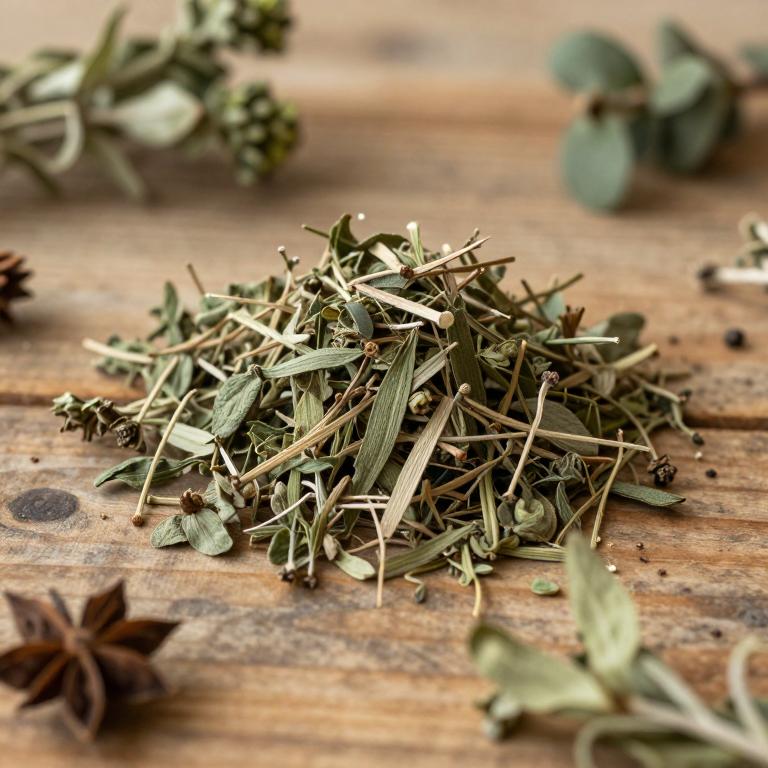
Names and Synonyms
Common Names
- Scrophularia canina canina
Scientific Names
Accepted name
Scrophularia canina subsp. caninaSynonyms
- Scrophularia canina var. humifusa
- Scrophularia canina var. boetica
- Scrophularia canina var. baetica
- Scrophularia canina var. dissecta
- Scrophularia canina var. montana
- Scrophularia canina var. nana
- Scrophularia littoralis
- Scrophularia multifida
- Scrophularia ruta-canina
- Scrophularia tarraconensis
- Scrophularia pinnata
- Scrophularia pubescens
- Scrophularia humifusa
- Scrophularia canina var. deschatresii
- Scrophularia pyramidalis
- Scrophularia atropurpurea
- Tomiephyllum tenuisectum
Sources: Wikidata, Catalogue of Life
Taxonomical Classification
This plant belongs to the kingdom Plantae and the phylum Streptophyta, falling under the class Equisetopsida and subclass Magnoliidae. Within the order Lamiales, it is classified under the family Scrophulariaceae and the genus Scrophularia. Specifically, it is identified by its subspecies designation as Scrophularia canina subsp. canina.
| Rank | Classification |
|---|---|
| Kingdom | Plantae |
| Phylum | Streptophyta |
| Class | Equisetopsida |
| Subclass | Magnoliidae |
| Order | Lamiales |
| Family | Scrophulariaceae |
| Genus | Scrophularia |
Sources: The World Checklist of Vascular Plants (WCVP)
Distribution
This plant exhibits a specific distribution pattern across several distinct regions of Europe. In Middle Europe, it can be found growing within the borders of Austria and Germany. Its presence also extends through the Czechia-Slovakia region. Furthermore, the species is documented to inhabit parts of Switzerland. Finally, its range reaches into Southwestern Europe, specifically within the Baleares.
| Region | Area |
|---|---|
| Middle Europe | Austria |
| Middle Europe | Czechia-Slovakia |
| Middle Europe | Germany |
| Middle Europe | Switzerland |
| Southwestern Europe | Baleares |
| Southwestern Europe | Corse |
| Southwestern Europe | France |
| Southwestern Europe | Portugal |
| Southwestern Europe | Sardegna |
| Southwestern Europe | Spain |
Sources: The World Checklist of Vascular Plants (WCVP)
Plant Parts
Scrophularia canina subsp. canina has 1 reported plant parts identified across 1 scientific publications and several other databases that are studied for medicinal purposes. The most consistently reported plant part include root.
| Plant part | Supporting sources | Consensus |
|---|---|---|
| Root | 1 supporting sources | ★☆☆☆☆ |
Root
- Journal of pharmaceutical and biomedical analysis
Chemicals
Scrophularia canina subsp. canina has 3 reported phytochemicals identified across 1 scientific publications and several other databases. The most consistently reported chemicals include kaempferol, luteolin, rosmarinic acid.
| Chemical | Supporting sources | Consensus |
|---|---|---|
| kaempferol | 1 supporting sources | ★☆☆☆☆ |
| luteolin | 1 supporting sources | ★☆☆☆☆ |
| rosmarinic acid | 1 supporting sources | ★☆☆☆☆ |
kaempferol
- Journal of pharmaceutical and biomedical analysis
luteolin
- Journal of pharmaceutical and biomedical analysis
rosmarinic acid
- Journal of pharmaceutical and biomedical analysis
Activities
Scrophularia canina subsp. canina has 1 reported activities identified across 1 scientific publications and several other databases. The most consistently reported activities include Antioxidant.
| Activity | Supporting sources | Consensus |
|---|---|---|
| Antioxidant | 1 supporting sources | ★☆☆☆☆ |
Antioxidant
- Journal of pharmaceutical and biomedical analysis