Scrophularia amplexicaulis
Scrophularia amplexicaulis · Accepted scientific name
Scientific literature: Very Sparse (0 studies) · ★☆☆☆☆
Scrophularia amplexicaulis is a specialized botanical species that has garnered significant attention within the field of ethnopharmacology. Recent scientific inquiries have focused on its potential therapeutic properties, particularly regarding its bioactive compounds. Researchers are increasingly investigating how extracts from this plant might interact with the complex cellular mechanisms associated with gastric cancer. Understanding these medicinal pathways is crucial for developing novel dietary or supplemental interventions to support digestive health. Consequently, this plant represents a promising subject for further oncological and pharmacological study.
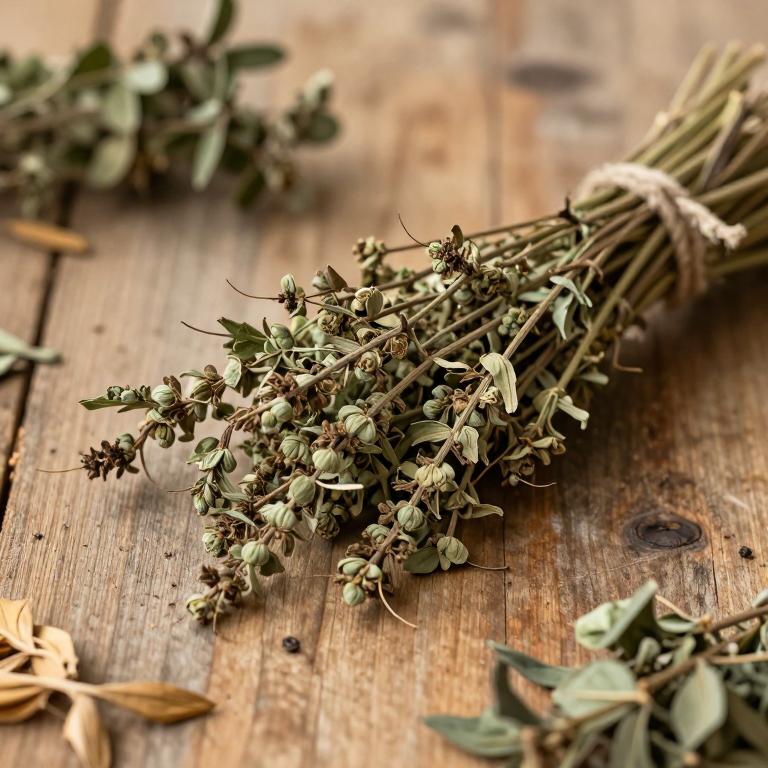
- Synonyms
- Scrophularia Hajariana
- Common names
- Not available
- Family
- Scrophulariaceae
- Distribution
- Not available
- Plant Parts
- Not available
Classification
Common Names
Scrophularia amplexicaulis, known by its Russian common name Норичник стеблеобъемлющий, is a distinctive member of the Scrophulariaceae family. This perennial herb is characterized by its unique leaves that clasp the stem, a feature reflected in its botanical nomenclature. Found in specific habitats across Eurasia, it plays a subtle yet important role in its local ecosystem. Collectors and botanists often seek it out for its structural elegance and specific morphological traits. Understanding its identity is essential for anyone studying the diverse flora of its native regions.
Sources: Catalogue of Life (COL)
Synonyms
Scrophularia amplexicaulis is a botanical species that requires careful classification within its taxonomic group. In various scientific records, this plant is also recognized by the synonym Scrophularia hajariana. Understanding these nomenclature shifts is essential for researchers tracking the plant's distribution and characteristics. Such botanical synonyms ensure that data remains consistent even when different naming conventions are applied. Consequently, identifying these relational links helps provide a clearer picture of the species' biological identity.
Sources: The World Checklist of Vascular Plants (WCVP)
Taxonomy
Scrophularia amplexicaulis belongs to the vast kingdom Plantae, representing a diverse group of multicellular organisms. Within this kingdom, the species is classified under the class Equisetopsida. It further resides in the order Lamiales, which helps define its unique evolutionary lineage. This plant is a prominent member of the family Scrophulariaceae, sharing traits with many of its relatives. Ultimately, it is identified by its specific genus, Scrophularia, which places it within a well-defined botanical group.
| Rank | Classification |
|---|---|
| Kingdom | Plantae |
| Phylum | Streptophyta |
| Class | Equisetopsida |
| Subclass | Magnoliidae |
| Order | Lamiales |
| Family | Scrophulariaceae |
| Genus | Scrophularia |
Sources: The World Checklist of Vascular Plants (WCVP)
Distribution
Geographic Regions
Scrophularia amplexicaulis is a plant species with a broad distribution spanning several key regions within Asia-Temperate. It is frequently found throughout the Caucasus and Transcaucasus, flourishing in these unique mountainous landscapes. The species also extends its reach into Western Asia, establishing a presence in the diverse terrains of Türkiye. Furthermore, its range encompasses significant portions of the Middle East, including both Iran and Iraq. This wide geographical spread highlights the plant's ability to adapt to various ecological niches across the continent.
Sources: The World Checklist of Vascular Plants (WCVP)
Identification
Morphology
Scrophularia amplexicaulis is a delicate herb characterized by its unique growth form. This species typically reaches a modest height, generally ranging between 0.2 m and 0.5 m. Such compact dimensions make it a subtle yet distinct addition to its natural habitat.
Sources: Global Inventory of Floras and Traits (GIFT)
Biological Activities
Compounds
Conditions
Scrophularia amplexicaulis demonstrates significant medicinal potential by effectively treating gastric cancer cells. The plant works by increasing the apoptosis rate to induce programmed cell death in these cancer lines. It also treats colony formation by significantly decreasing the proliferation of cancer cells. Furthermore, the plant treats invasion and migration by reducing the overall mobility of the malignant cells. These combined actions help to mitigate the metastatic capabilities of the gastric cancer cells.