Scorzonera
Scorzonera · Accepted scientific name
Scientific literature: Very Sparse (0 studies) · ★☆☆☆☆
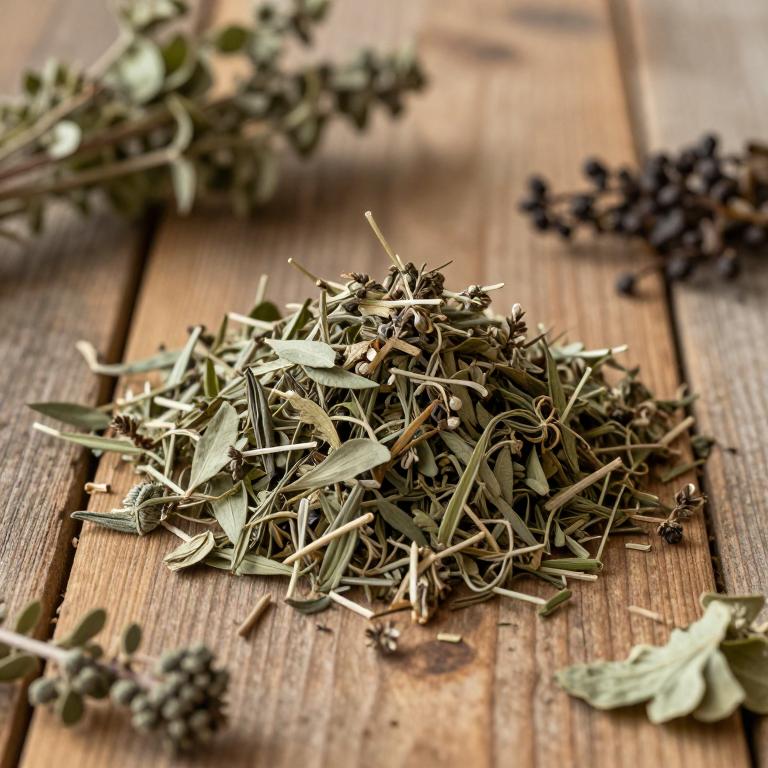
Scorzonera, often referred to as the black salsify, is a versatile perennial herb valued for both its culinary and medicinal properties. This unique plant produces long, tapering roots that can be utilized in various forms to harness its full potential. Depending on the desired application, it is commonly used in its raw state or processed into a dried extract. Some specialized preparations even involve a frozen extract to preserve specific botanical characteristics. Understanding these different modes of preparation allows for the most effective use of this nutritious root.
- Synonyms
- Arachnospermum · Achyroseris · 2 more
- Common names
- Not available
- Family
- Asteraceae
- Distribution
- Not available
- Plant Parts
- Not available
Classification
Common Names
Scorzonera is a versatile plant that is known by a variety of different names across various cultures and languages. It is frequently referred to by its common English name, Salsify, though it is also often called Escorzoneras. In different regions, you might encounter it under the name Gelteklė or the traditional term Schorseneer. Furthermore, it is widely recognized in German-speaking areas as Schwarzwurzel. These diverse appellations highlight the plant's widespread presence and global culinary significance.
Sources: Catalogue of Life (COL)
Synonyms
Scorzonera is a complex genus that is frequently associated with several botanical synonyms in taxonomic literature. For instance, the name Achyroseris is often used interchangeably with this group in various classifications. The genus also encompasses historical designations such as Arachnospermum and Kilicia. Additionally, researchers may encounter the term Podospermum when studying the diverse lineages within this plant family. Understanding these overlapping names is essential for anyone navigating the intricate botanical relationships of the genus.
Sources: The World Checklist of Vascular Plants (WCVP)
Taxonomy
Scorzonera is a distinctive plant that belongs to the vast kingdom Plantae. Within this biological kingdom, it is classified under the class Equisetopsida. Its taxonomic journey continues through the order Asterales, which helps define its evolutionary lineage. As a member of the family Asteraceae, it shares common characteristics with many well-known flowering species. Ultimately, this plant is identified by its specific genus, Scorzonera.
| Rank | Classification |
|---|---|
| Kingdom | Plantae |
| Phylum | Streptophyta |
| Class | Equisetopsida |
| Subclass | Magnoliidae |
| Order | Asterales |
| Family | Asteraceae |
| Genus | Scorzonera |
Sources: The World Checklist of Vascular Plants (WCVP)
Distribution
Geographic Regions
Scorzonera exhibits a diverse geographical presence across several key regions of the African continent. This genus can be found spanning from the Macaronesia islands and the Canaries to the vast landscapes of Northeast Tropical Africa. Specifically, its reach extends into Chad, highlighting a significant presence within the interior of the continent. In Northern Africa, the plant is well-established within the territories of Algeria, Egypt, and Libya. Such a widespread distribution underscores the adaptability of Scorzonera to various African environments.
Sources: The World Checklist of Vascular Plants (WCVP)
Identification
Biological Activities
Compounds
Conditions
Preparations
Scorzonera species possess diverse preparation methods, including being consumed raw for their nutritious and dietetic values. Research also evaluates the medicinal potential of the plant when it is prepared as a dried extract. Similarly, the plant is utilized when prepared as a frozen extract to study its biological effects. These different forms, specifically the dried and frozen extracts, demonstrate varying levels of efficacy in inhibiting enzymes like α-amylase and α-glucosidase. Ultimately, whether consumed raw or processed into specific extracts, Scorzonera serves as a significant candidate for dietary supplementation.