Scindapsus officinalis
Scindapsus officinalis · Accepted scientific name
Scientific literature: Very Sparse (0 studies) · ★☆☆☆☆
Scindapsus officinalis is a botanical species that has garnered significant interest due to its unique chemical profile. Research has specifically focused on identifying the presence of bioactive compounds such as polyphenol within its tissues. To isolate these valuable constituents, scientists frequently employ ultrasonic extraction as a highly efficient preparation method. This advanced technique allows for a more thorough recovery of metabolites compared to traditional methods. Understanding these chemical properties is essential for exploring the potential medicinal and industrial applications of the plant.
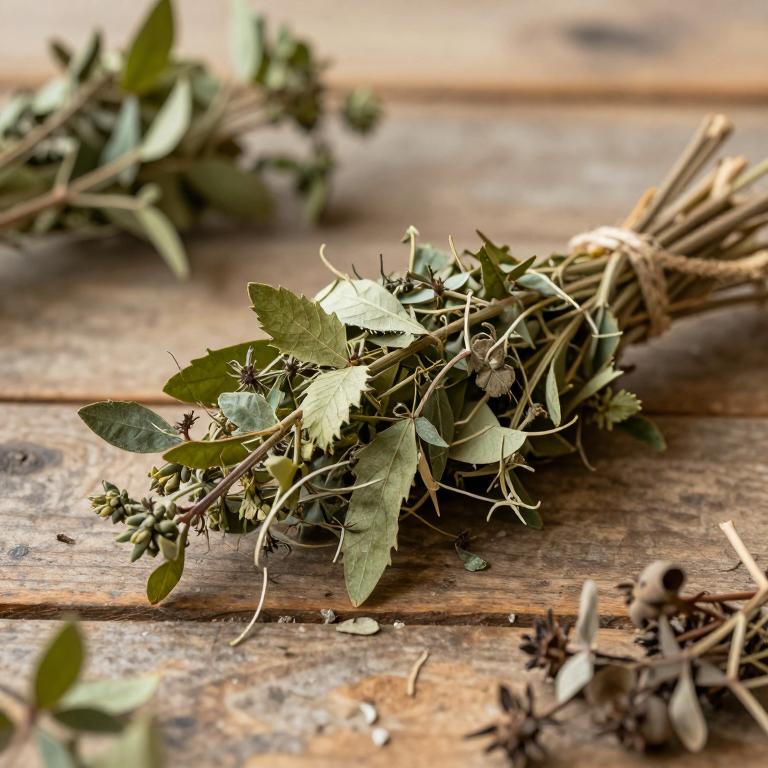
- Synonyms
- Monstera Officinalis · Pothos Officinalis · 1 more
- Common names
- Not available
- Family
- Araceae
- Distribution
- Not available
- Plant Parts
- Not available
Classification
Common Names
Scindapsus officinalis is a unique plant species that is recognized by several distinct common names across different regions. In some botanical circles, it is referred to as Scindapsus lekarski to distinguish its specific characteristics. Its cultural identity is further expanded through regional names such as யானைத்திப்பிலி in certain local contexts. In Thailand, the plant is also widely known by the name พลูช้าง. Understanding these various nomenclatures helps enthusiasts identify this beautiful species regardless of their linguistic background.
Sources: Catalogue of Life (COL)
Synonyms
Scindapsus officinalis is a fascinating plant that has been categorized under several different names throughout botanical history. Due to various taxonomic revisions, it is frequently recognized by the synonyms Monstera officinalis and Pothos officinalis. Researchers have also identified it within the nomenclature of Scindapsus annamicus, reflecting the complexities of plant classification. These overlapping identities can often cause confusion for collectors and botanists alike. Understanding these shifting relationships is essential for accurately identifying this specific species in the wild.
Sources: The World Checklist of Vascular Plants (WCVP)
Taxonomy
Scindapsus officinalis is a fascinating member of the kingdom Plantae that showcases the diverse beauty of the natural world. This specific species belongs to the genus Scindapsus, a group known for its striking foliage. Within the biological hierarchy, it is classified under the order Alismatales and the class Equisetopsida. Furthermore, it is a distinguished representative of the Araceae family, which includes many popular tropical climbers. Understanding these botanical relationships helps enthusiasts better appreciate the complex lineage of this unique plant.
| Rank | Classification |
|---|---|
| Kingdom | Plantae |
| Phylum | Streptophyta |
| Class | Equisetopsida |
| Subclass | Magnoliidae |
| Order | Alismatales |
| Family | Araceae |
| Genus | Scindapsus |
Sources: The World Checklist of Vascular Plants (WCVP)
Distribution
Geographic Regions
Scindapsus officinalis is a distinctive species primarily distributed across the tropical regions of Asia. Within the Indian Subcontinent, this plant maintains a significant presence throughout India and the lush landscapes of Bangladesh. Its natural habitat also extends into the diverse terrains of Assam and the majestic foothills of the East Himalaya. Furthermore, the species can be found thriving in the environmental conditions of Nepal. This broad geographical range highlights the plant's adaptability to various tropical ecosystems across the subcontinent.
Sources: The World Checklist of Vascular Plants (WCVP)
Identification
Morphology
Scindapsus officinalis is characterized by its distinct herbaceous growth form. This species also possesses an obligatory climbing habit, requiring structural support to thrive as it ascends.
Sources: Global Inventory of Floras and Traits (GIFT)
Biological Activities
Compounds
Scindapsus officinalis serves as a valuable natural source for the extraction of beneficial polyphenol compounds. Recent research has focused on utilizing ultrasonic wave technology to optimize the efficiency of this extraction process. By applying a central composite design and response surface methodology, scientists can precisely determine the ideal ethanol concentration and extraction time. This optimized approach achieved an impressive extraction yield of approximately 1.352%. Ultimately, employing ultrasonic methods offers a highly effective way to save time, energy, and materials when harvesting these important plant constituents.
Conditions
Preparations
Scindapsus officinalis is prepared as an ultrasonic extraction to efficiently isolate its polyphenols. Researchers utilized central composite design and the response surface method to optimize the specific conditions required for this process. The study identified the ideal ethanol concentration, ultrasonic wave extraction time, and solvent-to-solid ratio for maximum yield. By implementing this ultrasonic technique, the extraction of polyphenols was achieved with a high degree of accuracy and minimal error. Ultimately, this method serves as an effective way to save time, energy, and materials during the extraction process.