Schumanniophyton problematicum
Schumanniophyton problematicum · Accepted scientific name
Scientific literature: Very Sparse (0 studies) · ★☆☆☆☆
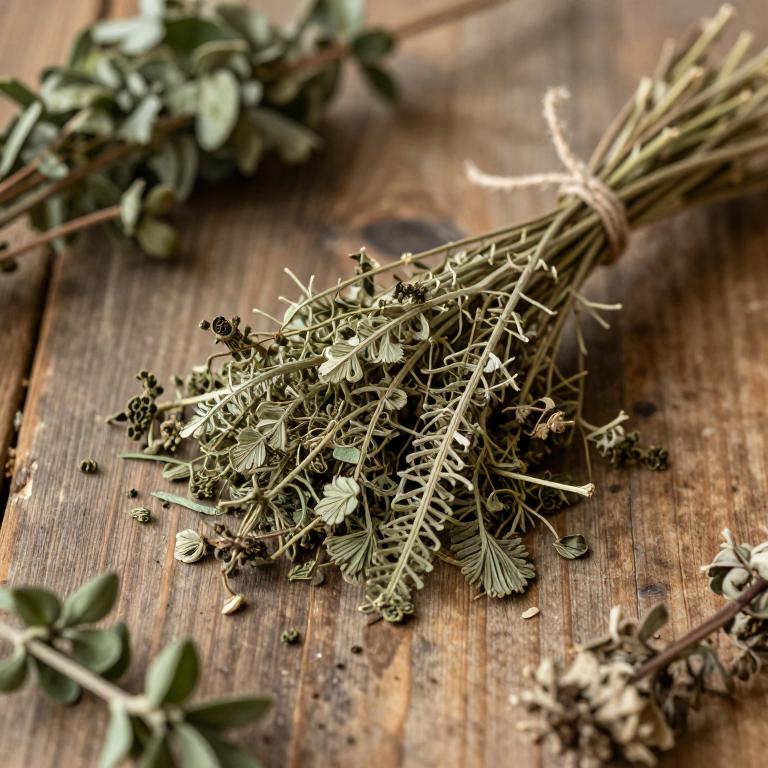
Schumanniophyton problematicum is a unique botanical specimen that presents significant interest to researchers studying ancient flora. While much of its overall structure remains a subject of scientific debate, the plant is particularly noted for its specialized root system. These roots play a critical role in the organism's ability to anchor itself and absorb essential nutrients from the substrate. Understanding the morphology of these underground components is vital for reconstructing the life cycle of this mysterious species. Consequently, the study of its root development continues to provide key insights into its evolutionary history.
- Synonyms
- Assidora Problematica
- Common names
- Not available
- Family
- Rubiaceae
- Distribution
- Not available
- Plant Parts
- Root
Classification
Common Names
Schumanniophyton problematicum is a fascinating species often referred to by the common name algebra plant. This unique organism plays a significant role in understanding the evolutionary history of early photosynthetic life. Its complex biological structures provide researchers with valuable insights into how primitive life forms adapted to their environments. By studying its specific characteristics, scientists can better grasp the intricate connections within ancient ecosystems. Ultimately, the study of this plant offers a window into the foundational relationships that shaped our natural world.
Sources: Catalogue of Life (COL)
Synonyms
Schumanniophyton problematicum is a botanical name that requires careful attention due to its taxonomic history. Researchers have identified that this species is synonymous with Assidora problematica, meaning both names refer to the same plant. This nomenclature overlap can often lead to confusion when navigating scientific databases or herbarium records. Understanding these connections is essential for maintaining accuracy in plant identification and literature reviews. Consequently, scholars must recognize these terms as interchangeable to ensure consistent communication within the botanical community.
Sources: The World Checklist of Vascular Plants (WCVP)
Taxonomy
Schumanniophyton problematicum belongs to the vast kingdom Plantae, representing a unique branch of the botanical world. Within this kingdom, the species is classified under the class Equisetopsida. Its taxonomic journey continues through the order Gentianales, which provides essential context for its biological traits. Furthermore, the plant is a member of the Rubiaceae family, a group known for its diverse botanical characteristics. Ultimately, its identity is defined by its placement within the specific genus Schumanniophyton.
| Rank | Classification |
|---|---|
| Kingdom | Plantae |
| Phylum | Streptophyta |
| Class | Equisetopsida |
| Subclass | Magnoliidae |
| Order | Gentianales |
| Family | Rubiaceae |
| Genus | Schumanniophyton |
Sources: The World Checklist of Vascular Plants (WCVP)
Distribution
Geographic Regions
Schumanniophyton problematicum is a plant species primarily identified within the West Tropical Africa region. Its geographical presence is specifically noted across several distinct countries in this part of the continent. For instance, documented populations can be found thriving within the borders of Ghana. The species also maintains a distribution that extends into the Ivory Coast. Additionally, its range includes significant areas located within Liberia, highlighting its importance to the local West African ecosystem.
Sources: The World Checklist of Vascular Plants (WCVP)
Identification
Morphology
Schumanniophyton problematicum is a distinctive plant characterized by its robust tree-like growth form. This species is entirely self-supporting, allowing it to maintain a sturdy structure within its environment. In terms of scale, it reaches impressive heights that typically range from approximately 6.10 meters to a maximum of 12.19 meters. Such significant vertical development highlights its role as a prominent feature in its natural habitat.
Sources: Global Inventory of Floras and Traits (GIFT)
Biological Activities
Compounds
Conditions
Schumanniophyton problematicum is a plant frequently utilized by Nigerian native healers to treat psychotic patients experiencing madness. Research indicates that an ethanol extract derived from its roots possesses significant neuropsychopharmacologic properties. When administered to mice, the extract effectively reduces spontaneous locomotor activity and inhibits hyperactivity induced by amphetamines. These sedative effects are characterized by a reduction in respiratory rate, body tone, and startle responses. Ultimately, the plant's ability to treat such conditions appears to stem from its capacity to depress both the central and autonomic nervous systems.
Preparations
Parts used
Schumanniophyton problematicum is a plant species widely utilized by native healers in Nigeria for treating psychotic conditions. Research indicates that the plant possesses significant neuropsychopharmacologic properties, particularly when utilizing its specific root components. An ethanol extract derived from these roots has been shown to reduce respiratory rates and spontaneous locomotor activity in mice. Furthermore, the extract demonstrates a capacity to inhibit hyperactivity induced by amphetamines through the depression of the central and autonomic systems. These findings highlight the therapeutic potential of the Schumanniophyton problematicum root in managing neurological behaviors.