Schinus
Schinus · Accepted scientific name
Scientific literature: Very Sparse (0 studies) · ★☆☆☆☆
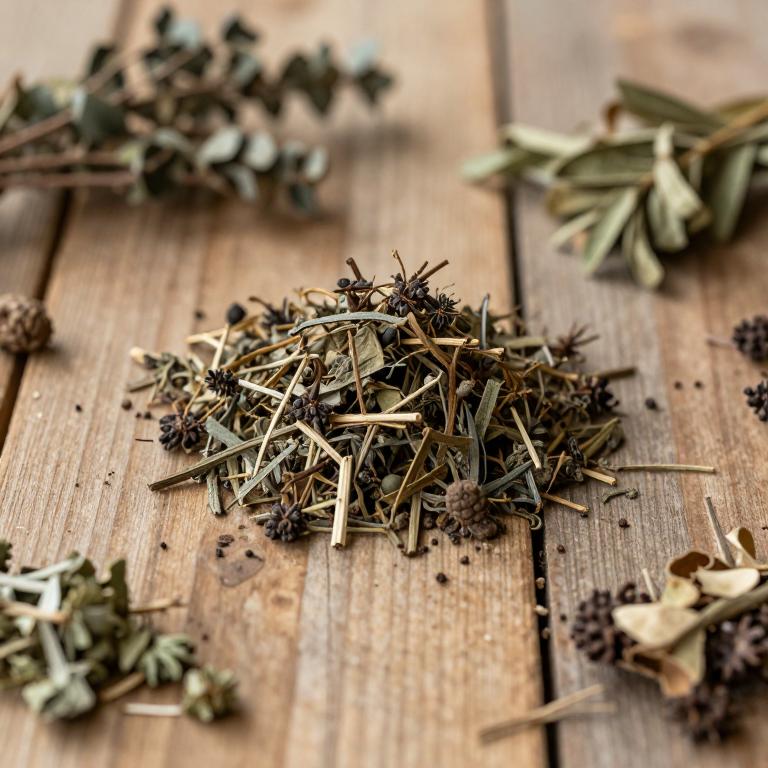
Schinus is a versatile genus of flowering plants that includes several species highly valued for their ornamental and medicinal qualities. One of its most distinguishing features is the structure and appearance of its leaf, which often provides a lush, evergreen texture to landscapes. These leaves can vary significantly in shape and arrangement depending on the specific species being cultivated. Beyond their visual appeal, the foliage of certain Schinus varieties plays a vital role in the plant's overall ecological function. Understanding the characteristics of the leaf is essential for anyone looking to integrate this striking genus into a garden.
- Synonyms
- Duvaua · Molle · 1 more
- Common names
- Not available
- Family
- Anacardiaceae
- Distribution
- Northern America
- Plant Parts
- Leaf
Classification
Common Names
Schinus is a versatile plant known by a diverse array of names depending on the local language and region. In some areas, it is frequently referred to as Pebertræ or Peperbome, highlighting its unique botanical character. It also carries the distinct name Pfefferbäume in certain contexts, reflecting its relationship to pepper-like qualities. Those familiar with regional variations might also recognize it as the Borsfa or the Pirulis. Regardless of these many titles, the plant remains a singular and fascinating subject for botanical study.
Sources: Catalogue of Life (COL)
Synonyms
Schinus is a botanical genus that has long been subject to various taxonomic reclassifications. Throughout botanical history, the plant has been identified by several different names, including the synonym Duvaua. It is also frequently referred to as Molle in many regional and historical contexts. Furthermore, the name Piperodendron has been utilized as a synonym in certain scientific discussions. Understanding these overlapping nomenclatures is essential for accurate plant identification and research.
Sources: The World Checklist of Vascular Plants (WCVP)
Taxonomy
Schinus is a diverse genus that belongs to the vast kingdom Plantae. Within this botanical group, it is classified under the class Equisetopsida. Its evolutionary lineage places it specifically within the order Sapindales. Furthermore, this genus is a prominent member of the Anacardiaceae family. Through these scientific classifications, we can better understand the complex biological identity of Schinus.
| Rank | Classification |
|---|---|
| Kingdom | Plantae |
| Phylum | Streptophyta |
| Class | Equisetopsida |
| Subclass | Magnoliidae |
| Order | Sapindales |
| Family | Anacardiaceae |
| Genus | Schinus |
Sources: The World Checklist of Vascular Plants (WCVP)
Distribution
Geographic Regions
Schinus exhibits a widespread presence across various subtropical and island regions throughout the Atlantic. Its primary distribution spans the continent of Africa and extends into the diverse landscapes of Macaronesia. Within this archipelago, the plant can be found specifically inhabiting the Canary Islands and Madeira. Furthermore, its reach includes the remote environments of Cape Verde and the volcanic terrains of the Middle Atlantic Ocean. This expansive range is completed by its existence on isolated outposts such as Ascension and St. Helena.
Sources: The World Checklist of Vascular Plants (WCVP)
Identification
Biological Activities
Compounds
Conditions
Schinus, commonly known as the Brazilian pepper tree, has demonstrated efficacy in the treatment of bacterial vaginosis (BV). According to the systematic review, this medicinal plant serves as an effective option for managing the infection. While it shows therapeutic potential, its impact is noted to be less potent than the standard treatment, metronidazole. Using such herbal products can provide an alternative or supportive approach to managing vaginal infections. Consequently, Schinus represents a viable botanical candidate for addressing BV in women.
Preparations
Parts used
Schinus areira L., commonly known as molle, provides bioactive leaf extracts that possess significant medicinal and aromatic properties. When combined with rica-rica flower extracts, the molle leaf contributes to a potent blend capable of delivering strong antioxidant and antimicrobial effects. This specific mixture has demonstrated a synergistic ability to inhibit various yeast species, such as Candida sp. and Rhodotorula sp. Research indicates that the leaf extracts are rich in phenolic compounds like quercetin derivatives and isoferulic acid. Ultimately, these extracts serve as an effective natural preservative, offering a functional alternative to synthetic additives in food products like artisanal jam.