Saxifraga umbellulata var. umbellulata
Saxifraga umbellulata var. umbellulata · Accepted scientific name
Scientific literature: Very Sparse (8 studies) · ★☆☆☆☆
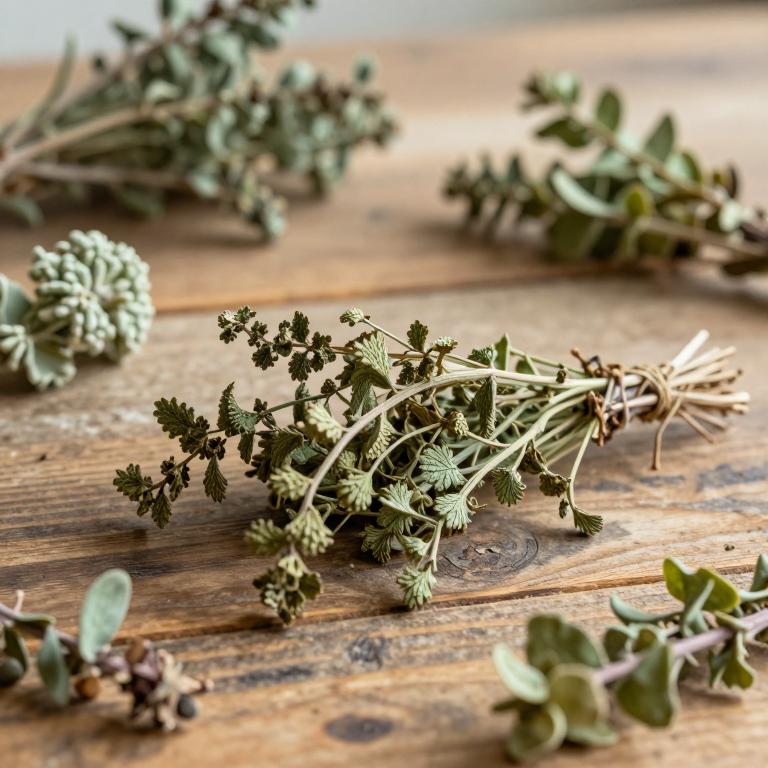
Scientifically known as Saxifraga umbellulata var. umbellulata, is a delicate perennial herb prized for its unique medicinal properties. Thriving in rocky, alpine environments, this botanical treasure offers traditional healing benefits. Understanding its specific characteristics is essential for those exploring natural remedies and the diverse world of mountain flora.
- Family
- Saxifragaceae
- Native range
- Asia-Temperate
- Parts used
- Flower · Fruit
- Common names
- Not available
- Scientific synonyms
- Saxifraga Umbellulata Var. Pectinata · Saxifraga Pasumensis · 3 more
Names and Synonyms
Scientific Names
Accepted name
Saxifraga umbellulata var. umbellulataSynonyms
- Saxifraga umbellulata var. pectinata
- Saxifraga pasumensis
- Saxifraga pasumensis f. gracilis
- Saxifraga umbellulata f. pectinata
- Saxifraga obovatipetala
Sources: Wikidata
Taxonomical Classification
This plant belongs to the kingdom Plantae and the phylum Streptophyta, falling under the class Equisetopsida and subclass Magnoliidae. It is classified within the order Saxifragales and the family Saxifragaceae. Specifically, it is identified by the genus Saxifraga, under the variety umbellulata.
| Rank | Classification |
|---|---|
| Kingdom | Plantae |
| Phylum | Streptophyta |
| Class | Equisetopsida |
| Subclass | Magnoliidae |
| Order | Saxifragales |
| Family | Saxifragaceae |
| Genus | Saxifraga |
Sources: The World Checklist of Vascular Plants (WCVP)
Distribution
This plant exhibits a specific geographical distribution concentrated within the high-altitude regions of Asia. In China, its presence is documented within the mountainous terrain of Tibet. Moving toward the Indian Subcontinent, the species can be found throughout the East Himalaya range. Furthermore, it is also distributed across the diverse landscapes of Nepal. These specific locations highlight the plant's preference for the unique ecological niches found in these Himalayan territories.
| Region | Area |
|---|---|
| China | Tibet |
| Indian Subcontinent | East Himalaya |
| Indian Subcontinent | Nepal |
Sources: The World Checklist of Vascular Plants (WCVP)
Plant Parts
Saxifraga umbellulata var. umbellulata has 5 reported plant parts identified across 5 scientific publications and several other databases that are studied for medicinal purposes. The most consistently reported plant part include flower, fruit, leaf, root, stem.
| Plant part | Supporting sources | Consensus |
|---|---|---|
| Flower | 1 supporting sources | ★☆☆☆☆ |
| Fruit | 1 supporting sources | ★☆☆☆☆ |
| Leaf | 1 supporting sources | ★☆☆☆☆ |
| Root | 1 supporting sources | ★☆☆☆☆ |
| Stem | 1 supporting sources | ★☆☆☆☆ |
Flower
- Zhongguo Zhong yao za zhi = Zhongguo zhongyao zazhi = China journal of Chinese materia medica
Fruit
- Zhongguo Zhong yao za zhi = Zhongguo zhongyao zazhi = China journal of Chinese materia medica
Leaf
- Zhongguo Zhong yao za zhi = Zhongguo zhongyao zazhi = China journal of Chinese materia medica
Root
- Zhongguo Zhong yao za zhi = Zhongguo zhongyao zazhi = China journal of Chinese materia medica
Stem
- Zhongguo Zhong yao za zhi = Zhongguo zhongyao zazhi = China journal of Chinese materia medica
Chemicals
Saxifraga umbellulata var. umbellulata has 2 reported phytochemicals identified across 5 scientific publications and several other databases. The most consistently reported chemicals include Flavonoids, Saponins.
| Chemical | Supporting sources | Consensus |
|---|---|---|
| Flavonoids | 1 supporting sources | ★☆☆☆☆ |
| Saponins | 1 supporting sources | ★☆☆☆☆ |
Flavonoids
- Zhongguo Zhong yao za zhi = Zhongguo zhongyao zazhi = China journal of Chinese materia medica
Saponins
- Zhongguo Zhong yao za zhi = Zhongguo zhongyao zazhi = China journal of Chinese materia medica