Satureja montana subsp. montana
Satureja montana subsp. montana · Accepted scientific name
Scientific literature: Very Sparse (0 studies) · ★☆☆☆☆
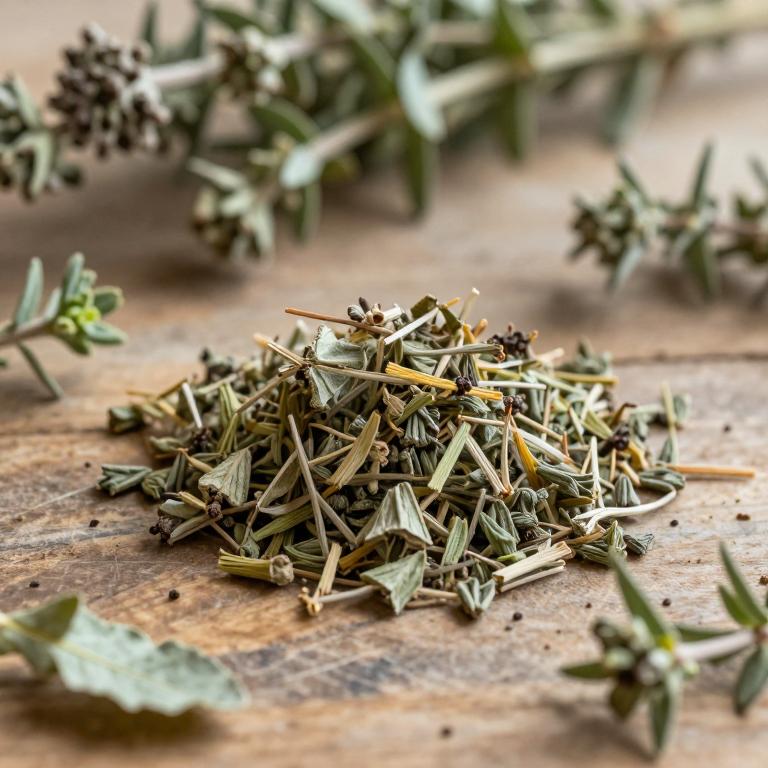
Satureja montana subsp. montana, commonly known as winter savory, is a perennial herb widely recognized for its potent bioactive properties and aromatic profile. Recent scientific investigations have focused on evaluating its antimicrobial efficacy against diverse pathogens, including Bacillus cereus, Candida albicans, Enterococcus faecalis, and Escherichia coli. To optimize the recovery of these compounds, various advanced preparation techniques are employed, such as microwave-assisted extraction (MAE-MeOH and MAE-H2O), ultrasound-assisted extraction (UAE-MeOH and UAE-H2O), and subcritical water extraction (SWE). Furthermore, traditional methods like steam distillation are utilized to isolate both its essential oil (EO) and hydrolate (HY). Understanding these diverse extraction methods is crucial for maximizing the therapeutic potential of this plant against significant microbial threats.
- Synonyms
- Micromeria Pygmaea · Micromeria Variegata · 18 more
- Common names
- Not available
- Family
- Lamiaceae
- Distribution
- Not available
- Plant Parts
- Not available
Classification
Common Names
Satureja montana subsp. montana is a versatile plant known by several distinct names across different regions and languages. In English-speaking areas, it is most commonly referred to as Winter savory. Its identity is further reflected in German as Winter-Bohnenkraut, highlighting its culinary importance. The plant also carries the specific name Santoreggia montana within certain Mediterranean contexts. Finally, it is recognized by the name Karst-Bergminze, illustrating the diverse linguistic heritage associated with this species.
Sources: Catalogue of Life (COL)
Synonyms
Satureja montana subsp. montana is a complex botanical entity that has been identified through various scientific names over time. Within taxonomic literature, it is frequently associated with the synonym Micromeria pygmaea. Researchers have also recognized it under the designation of Micromeria variegata in different contexts. Furthermore, the plant is linked to several other historical names, including Satureja brevis and Satureja ciliata. Its shifting classification is rounded out by its connection to the synonym Satureja flexuosa, reflecting the evolving nature of botanical study.
Sources: The World Checklist of Vascular Plants (WCVP)
Taxonomy
Satureja montana subsp. montana is a distinctive botanical specimen that belongs to the kingdom Plantae. Within this vast kingdom, it is categorized under the class Equisetopsida. It further refines its biological identity as a member of the order Lamiales. This specific plant is a representative of the genus Satureja. Finally, it is classified within the Lamiaceae family, showcasing its close ties to other aromatic herbs.
| Rank | Classification |
|---|---|
| Kingdom | Plantae |
| Phylum | Streptophyta |
| Class | Equisetopsida |
| Subclass | Magnoliidae |
| Order | Lamiales |
| Family | Lamiaceae |
| Genus | Satureja |
Sources: The World Checklist of Vascular Plants (WCVP)
Distribution
Geographic Regions
Satureja montana subsp. montana is a versatile plant with a broad geographical range stretching across several continents. Its presence is noted throughout Africa and the Macaronesia islands, including the Azores. Within Europe, the species is well-established in the central regions, specifically throughout Austria and Germany. The plant also thrives in Northern Europe, making regular appearances in both Great Britain and Ireland. This diverse distribution highlights the adaptability of the subspecies to various European and Atlantic climates.
Sources: The World Checklist of Vascular Plants (WCVP)
Identification
Biological Activities
Compounds
Conditions
Satureja montana subsp. montana exhibits significant antimicrobial activity against various pathogens through specific extraction methods. It has been shown to effectively treat the bacterium Bacillus cereus. This subspecies also demonstrates the ability to treat the fungal pathogen Candida albicans. Furthermore, it serves as a treatment for the bacterium Enterococcus faecalis. Finally, its antimicrobial properties are effective against both Escherichia coli and Saccharomyces cerevisiae.
Preparations
Satureja montana subsp. montana is prepared as microwave-assisted extracts using both methanol and water (MAE-MeOH and MAE-H2O). The plant is also processed via steam distillation to produce essential oil (EO) and hydrolate (HY). Additionally, the subspecies is prepared through subcritical water (SWE) extraction methods. Ultrasound-assisted extraction (UAE-MeOH and UAE-H2O) is another technique used to prepare this plant. These diverse preparation methods allow for the study of various biological activities within the subspecies.