Satureja metastasiantha
Satureja metastasiantha · Accepted scientific name
Scientific literature: Very Sparse (5 studies) · ★☆☆☆☆
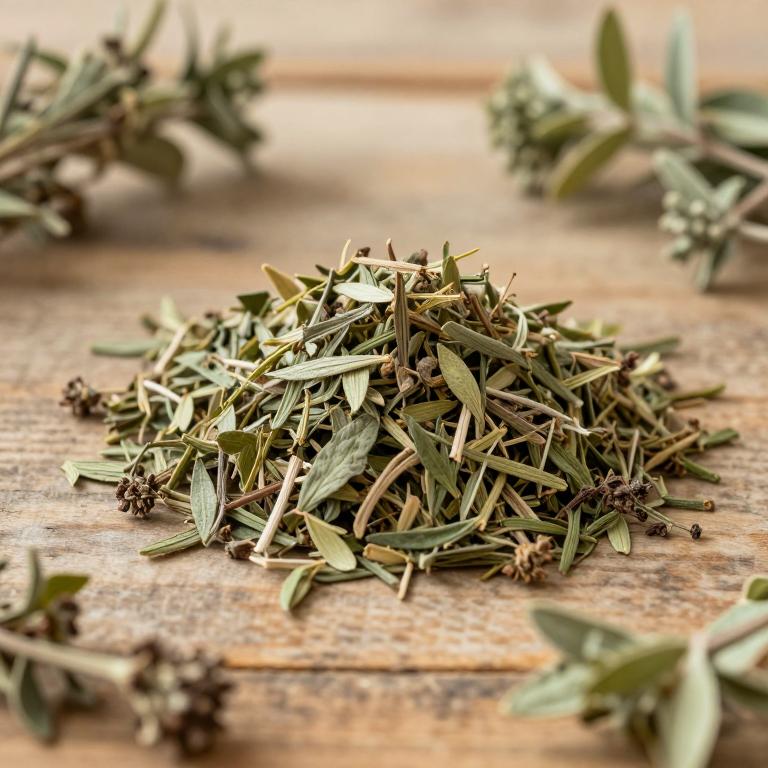
, scientifically known as Satureja metastasiantha, is a remarkable medicinal plant valued for its unique therapeutic properties. Found in specific ecological niches, this species is recognized in traditional medicine for its potent bioactive compounds. Exploring its phytochemical profile offers promising insights into developing natural treatments for various health conditions.
- Family
- Lamiaceae
- Native range
- Asia-Temperate
- Parts used
- Not available
- Common names
- Not available
- Scientific synonyms
- Not available
Names and Synonyms
Scientific Names
Accepted name
Satureja metastasianthaSources: Wikidata
Taxonomical Classification
This plant belongs to the kingdom Plantae and the phylum Streptophyta, falling under the class Equisetopsida and subclass Magnoliidae. Within the order Lamiales and the family Lamiaceae, it is classified under the genus Satureja. Specifically, it is identified by the scientific name Satureja metastasiantha.
| Rank | Classification |
|---|---|
| Kingdom | Plantae |
| Phylum | Streptophyta |
| Class | Equisetopsida |
| Subclass | Magnoliidae |
| Order | Lamiales |
| Family | Lamiaceae |
| Genus | Satureja |
Sources: The World Checklist of Vascular Plants (WCVP)
Distribution
This plant, known scientifically as Saturaja metastasiantha, possesses a very specific and limited geographical range. Its presence in the wild is currently documented within a single major region of the world. Specifically, this medicinal species is found inhabiting the landscapes of Western Asia. Within this vast territory, its occurrence is localized to the country of Iraq. Consequently, the natural habitat of this plant remains geographically concentrated in this particular part of the Middle East.
| Region | Area |
|---|---|
| Western Asia | Iraq |
Sources: The World Checklist of Vascular Plants (WCVP)
Botanical Identification
Life history
The life history of Saturteja metastasiantha is characterized by its classification as a chamaephyte, a life form that dictates its survival strategy through the positioning of its perennating buds close to the soil surface. Within this botanical framework, the plant exhibits specific structural tendencies categorized under the chamaephyte life form type, ensuring its persistence across seasonal cycles by maintaining its regenerative organs just above or at the ground level. This growth habit allows it to withstand various environmental pressures while maintaining a specialized physiological presence within its ecosystem.
- Life form :
- chamaephyte
Morphology
The morphology of Saturaja metastasiantha is characterized by its specific growth habit and ecological positioning. It functions as a self-supporting climber, utilizing its structural form to ascend without the need for external hosts for physical stability. Despite its climbing nature, the plant is an independent organism rather than a parasite, meaning it does not derive nutrients or water from a host plant to complete its life cycle. Furthermore, it is a terrestrial plant rather than an epiphyte, establishing its root system and primary growth within the soil of its natural habitat.
- Climber :
- self-supporting
- Epiphyte :
- terrestrial
- Parasite :
- independent
Sources: Global Inventory of Floras and Traits (GIFT)
Chemicals
Satureja metastasiantha has 3 reported phytochemicals identified across 0 scientific publications and several other databases. The most consistently reported chemicals include CARVACROL, P-CYMENE, THYMOL.
| Chemical | Supporting sources | Consensus |
|---|---|---|
| CARVACROL | 1 supporting sources | ★☆☆☆☆ |
| P-CYMENE | 1 supporting sources | ★☆☆☆☆ |
| THYMOL | 1 supporting sources | ★☆☆☆☆ |
CARVACROL
- Zeitschrift fur Naturforschung. C, Journal of biosciences
P-CYMENE
- Zeitschrift fur Naturforschung. C, Journal of biosciences
THYMOL
- Zeitschrift fur Naturforschung. C, Journal of biosciences
Activities
Satureja metastasiantha has 1 reported activities identified across 0 scientific publications and several other databases. The most consistently reported activities include Antimicrobial.
| Activity | Supporting sources | Consensus |
|---|---|---|
| Antimicrobial | 1 supporting sources | ★☆☆☆☆ |
Antimicrobial
- Zeitschrift fur Naturforschung. C, Journal of biosciences
Preparations
Satureja metastasiantha has 1 reported preparations identified across 0 scientific publications and several other databases. The most consistently reported preparations include essential oil.
| Preparation | Supporting sources | Consensus |
|---|---|---|
| Essential oil | 1 supporting sources | ★☆☆☆☆ |
Essential oil
- Zeitschrift fur Naturforschung. C, Journal of biosciences