Satureja macrantha
Satureja macrantha · Accepted scientific name
Scientific literature: Very Sparse (2 studies) · ★☆☆☆☆
Satureja macrantha is a botanical species recognized for its diverse therapeutic potential in pharmacological studies. Recent investigations have focused on the biological activities of its essential oils, particularly their antioxidant properties. These essential oils have also demonstrated significant antibacterial efficacy against various microbial threats. Specifically, research highlights their ability to inhibit the growth of the pathogen Escherichia coli. Understanding these medicinal characteristics positions this plant as a valuable subject for natural product development.
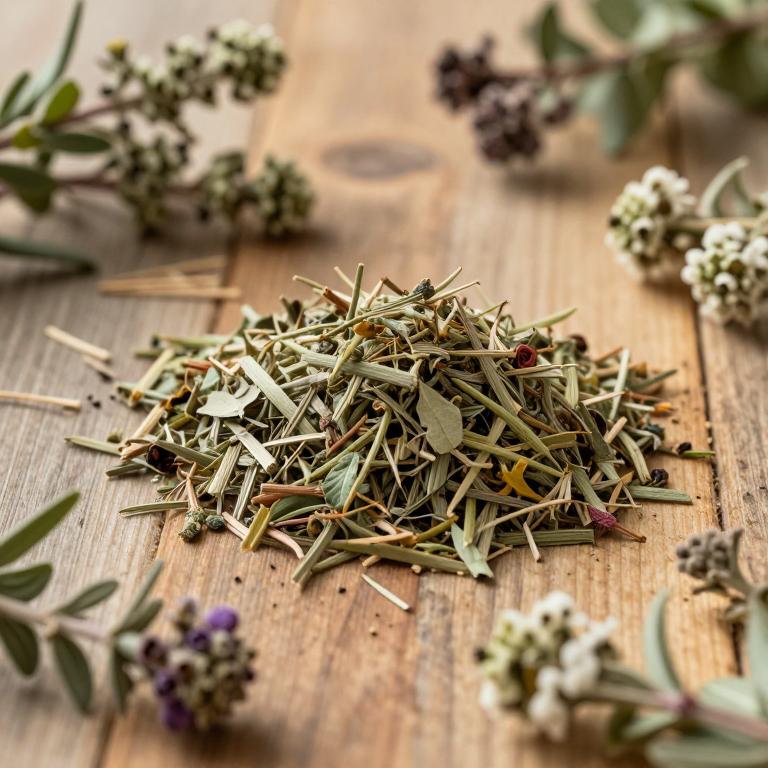
- Synonyms
- Satureja Macrosiphonia
- Common names
- Not available
- Family
- Lamiaceae
- Distribution
- Africa
- Plant Parts
- Not available
Classification
Common Names
Satureja macrantha is a distinctive botanical species known by its common name, Чабер крупноцветковый. This plant belongs to the savory family, characterized by its aromatic properties and unique floral structure. Growing in specific natural habitats, it offers a fascinating subject for both botanists and casual gardeners alike. Understanding its regional nomenclature helps enthusiasts identify this specific variety more easily in the wild. As a member of its genus, it contributes to the rich biodiversity found within its native ecosystems.
Sources: Catalogue of Life (COL)
Synonyms
Satureja macrantha is a distinct botanical species that is frequently discussed in various taxonomic studies. Within scientific literature, it is important to note that this plant also carries the synonym Satureja macrosiphonia. Understanding these overlapping names is crucial for researchers aiming to maintain accurate plant identification. While the nomenclature may vary between different herbariums, both terms refer to the same biological entity. Recognizing these relationships ensures clarity and consistency when documenting the diversity of the genus.
Sources: The World Checklist of Vascular Plants (WCVP)
Taxonomy
Satureja macrantha belongs to the vast kingdom Plantae, representing the diverse world of multicellular photosynthetic organisms. Within this kingdom, it is classified under the class Equisetopsida, identifying it as a member of the flowering plant group. The species is further organized into the order Lamiales, a group that shares many distinctive botanical traits. It falls specifically under the family Lamiaceae, a lineage known for its aromatic qualities and unique structure. Finally, this plant is identified by its specific genus, Satureja, which places it among its closest evolutionary relatives.
| Rank | Classification |
|---|---|
| Kingdom | Plantae |
| Phylum | Streptophyta |
| Class | Equisetopsida |
| Subclass | Magnoliidae |
| Order | Lamiales |
| Family | Lamiaceae |
| Genus | Satureja |
Sources: The World Checklist of Vascular Plants (WCVP)
Distribution
Geographic Regions
Satureja macrantha is a resilient plant species primarily found throughout the Asia-Temperate region. Its natural distribution spans across the rugged landscapes of the Caucasus and the Transcaucasus. Within Western Asia, this species holds a significant presence in the diverse terrains of Iran and Iraq. Furthermore, it can be frequently observed growing across various parts of Türkiye. These geographical connections highlight the plant's ability to thrive across these specific continental corridors.
Sources: The World Checklist of Vascular Plants (WCVP)
Identification
Morphology
Satureja macrantha is a self-supporting plant that typically takes the form of a compact shrub. It maintains a modest stature, with heights generally ranging between 0.3 m and 0.5 m. This consistent growth pattern makes it a distinctive feature in its natural habitat. Because of its small scale, it remains a subtle yet sturdy addition to the landscape.
Sources: Global Inventory of Floras and Traits (GIFT)
Biological Activities
Satureja macrantha is a medicinal plant found in Western and Northwest Iran that possesses significant biological properties. Research indicates that its essential oils exhibit strong antibacterial activity, particularly against foodborne pathogens like Staphylococcus aureus and Escherichia coli. These antimicrobial effects are most potent during the flowering stage, driven by high concentrations of compounds such as carvacrol and thymol. Additionally, the plant demonstrates notable antioxidant activity, as measured through various radical scavenging assays. Because of these dual capabilities, the essential oils of S. macrantha show great potential for use as natural food preservatives on an industrial scale.
Compounds
Conditions
Satureja macrantha is commonly utilized for the treatment of urinary diseases. The essential oils derived from this plant exhibit significant antibacterial activity against several pathogens, including Enterobacter aerogenes (ATCC13046). Furthermore, it has demonstrated effectiveness in treating Enterococcus faecalis (ATCC29212). The plant's biological properties also allow it to treat Escherichia coli. Finally, its inhibitory effects extend to the treatment of Staphylococcus aureus (ATCC23922).
Preparations
Satureja macrantha is prepared as essential oils (EOs) to be utilized for various medicinal and industrial purposes. These EOs are extracted at different growth stages, including the vegetative, flowering, and fruiting stages, to evaluate their chemical profiles. The resulting oils serve as valuable natural food preservatives due to their ability to inhibit foodborne pathogens. Research indicates that the yields are sufficient for the scalable manufacture of these essential oils on an industrial level. Specifically, the EOs obtained during the flowering stage demonstrate the most potent antibacterial properties for use as preservative agents.