Satureja cilicica
Satureja cilicica · Accepted scientific name
Scientific literature: Very Extensive (230 studies) · ★★★★★
Saturajeia ciliatica, scientifically known as Saturajeia ciliatica, is a remarkable medicinal plant valued for its diverse therapeutic properties. Renowned for its potent bioactive compounds, this species is frequently utilized in traditional healing practices to treat various ailments, offering significant potential for pharmacological research and natural wellness solutions.
- Family
- Not available
- Native range
- Asia-Temperate
- Parts used
- Not available
- Common names
- Not available
- Scientific synonyms
- Not available
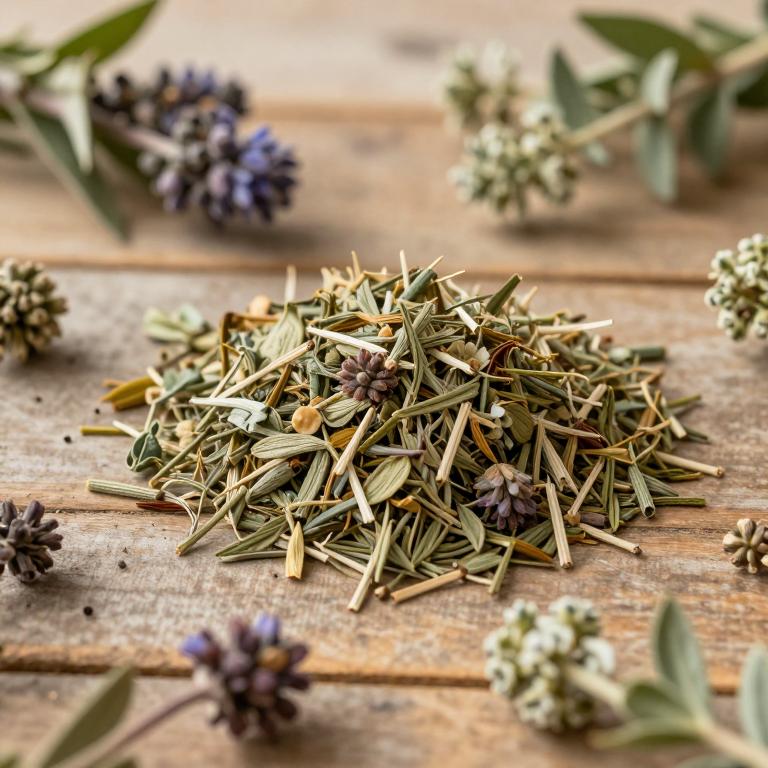
Names and Synonyms
Scientific Names
Accepted name
Satureja cilicicaDistribution
This plant, known scientifically as Saturaja ciliatica, possesses a very specific and limited geographical range. Its natural habitat is primarily concentrated within the region of Western Asia. Within this broad area, the species is found specifically in the country of Türkiye. Because its distribution is so localized, it is considered an endemic element of the Turkish flora. Consequently, understanding its unique ecological niche in this specific territory is essential for its conservation.
| Region | Area |
|---|---|
| Western Asia | Türkiye |
Sources: The World Checklist of Vascular Plants (WCVP)
Botanical Identification
Life history
The life history of Saturaja ciliicica is characterized by its specific ecological classification as a chamaephyte, a growth form where the permanent buds are located close to the soil surface, often just above it. Within the diverse spectrum of botanical life forms—ranging from phanerophytes and hemicryptophytes to therophytes, geophyte, hydrophytes, helophytes, lithophytes, and nanophanerophytes—this species maintains its structural integrity by keeping its regenerative organs protected near the ground level. This chamaephytic strategy allows the plant to withstand environmental fluctuations while maintaining a low-profile vegetative structure.
- Life form :
- chamaephyte
Morphology
The morphology of Saturaja ciliica is characterized by its distinct growth habit and ecological positioning. It functions as a self-supporting climber, utilizing its structural development to ascend without the absolute necessity of a host, though it maintains a self-supporting mechanism within its climbing nature. In terms of its nutritional strategy, the plant is classified as an independent organism, lacking any parasitic tendencies and functioning without reliance on a host for sustenance. Furthermore, its ecological placement is strictly terrestrial rather than epiphytic, establishing its root systems and biological presence within the soil substrate rather than growing upon other plants.
- Climber :
- self-supporting
- Epiphyte :
- terrestrial
- Parasite :
- independent
Sources: Global Inventory of Floras and Traits (GIFT)
Chemicals
Satureja cilicica has 37 reported phytochemicals identified across 0 scientific publications and several other databases. The most consistently reported chemicals include (E)-2-HEXENAL, (E)-beta-ocimene, (Z)-BETA-OCIMENE, 1,8-Cineole, 1-Nonen-3-ol.
| Chemical | Supporting sources | Consensus |
|---|---|---|
| (E)-2-HEXENAL | 1 supporting sources | ★☆☆☆☆ |
| (E)-beta-ocimene | 1 supporting sources | ★☆☆☆☆ |
| (Z)-BETA-OCIMENE | 1 supporting sources | ★☆☆☆☆ |
| 1,8-Cineole | 1 supporting sources | ★☆☆☆☆ |
| 1-Nonen-3-ol | 1 supporting sources | ★☆☆☆☆ |
| 6-Methyl-3-heptanol | 1 supporting sources | ★☆☆☆☆ |
| ALPHA-PHELLANDRENE | 1 supporting sources | ★☆☆☆☆ |
| ALPHA-PINENE | 1 supporting sources | ★☆☆☆☆ |
| Alpha terpinene | 1 supporting sources | ★☆☆☆☆ |
| BETA-CARYOPHYLLENE | 1 supporting sources | ★☆☆☆☆ |
(E)-2-HEXENAL
- Dr. Duke
(E)-beta-ocimene
- Dr. Duke
(Z)-BETA-OCIMENE
- Dr. Duke
1,8-Cineole
- Dr. Duke
1-Nonen-3-ol
- Dr. Duke
6-Methyl-3-heptanol
- Dr. Duke
ALPHA-PHELLANDRENE
- Dr. Duke
ALPHA-PINENE
- Dr. Duke
Alpha terpinene
- Dr. Duke
BETA-CARYOPHYLLENE
- Dr. Duke
Activities
Satureja cilicica has 193 reported activities identified across 0 scientific publications and several other databases. The most consistently reported activities include (-)-Chronotropic, (-)-Inotropic, ACE-Inhibitor, AChE-Inhibitor, Abortifacient.
| Activity | Supporting sources | Consensus |
|---|---|---|
| (-)-Chronotropic | 1 supporting sources | ★☆☆☆☆ |
| (-)-Inotropic | 1 supporting sources | ★☆☆☆☆ |
| ACE-Inhibitor | 1 supporting sources | ★☆☆☆☆ |
| AChE-Inhibitor | 1 supporting sources | ★☆☆☆☆ |
| Abortifacient | 1 supporting sources | ★☆☆☆☆ |
| Acaricide | 1 supporting sources | ★☆☆☆☆ |
| Aldose-Reductase-Inhibitor | 1 supporting sources | ★☆☆☆☆ |
| Allelochemic | 1 supporting sources | ★☆☆☆☆ |
| Allelopathic | 1 supporting sources | ★☆☆☆☆ |
| Allergenic | 1 supporting sources | ★☆☆☆☆ |
(-)-Chronotropic
- Dr. Duke
(-)-Inotropic
- Dr. Duke
ACE-Inhibitor
- Dr. Duke
AChE-Inhibitor
- Dr. Duke
Abortifacient
- Dr. Duke
Acaricide
- Dr. Duke
Aldose-Reductase-Inhibitor
- Dr. Duke
Allelochemic
- Dr. Duke
Allelopathic
- Dr. Duke
Allergenic
- Dr. Duke