Sasa
Sasa · Accepted scientific name
Scientific literature: Very Sparse (0 studies) · ★☆☆☆☆
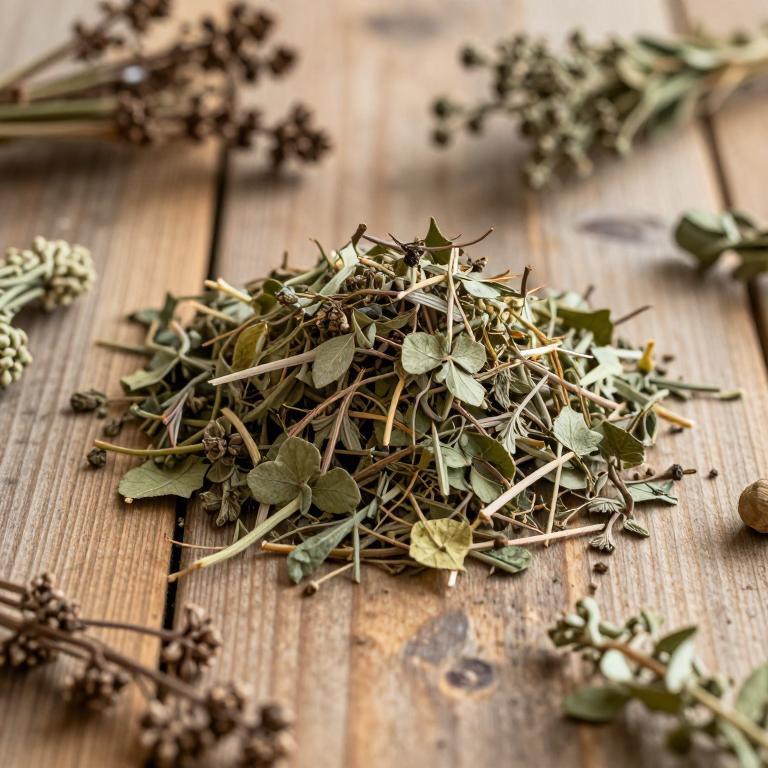
Sasa is a versatile genus of bamboo-like plants renowned for their ecological importance and traditional uses. In many East Asian cultures, these plants are carefully processed into specialized preparations such as Kuma-zasa. Beyond its physical presence in forests, the plant is often utilized to create potent botanical extracts. These derivatives are highly valued for their unique properties in both culinary and medicinal contexts. Understanding the diverse applications of Sasa reveals why it remains a significant element of natural heritage.
- Synonyms
- Neosasamorpha · Nipponobambusa
- Common names
- Not available
- Family
- Poaceae
- Distribution
- Not available
- Plant Parts
- Not available
Classification
Common Names
Sasa is a versatile genus of plants widely recognized by several different common names. It is most frequently referred to as broad-leaf bamboo or the plural broad-leaved bamboos. In certain botanical circles, it may also be identified by the specific name dvergbambusslekta. Other regional variations include names such as sasabambu and sasabambut. Understanding these diverse labels is essential for anyone studying the many varieties of this unique plant.
Sources: Catalogue of Life (COL)
Synonyms
Sasa is a diverse genus of bamboo that is frequently identified by various taxonomic classifications in botanical literature. Within scientific circles, the name is often associated with the synonym Neosasamorpha. Additionally, researchers may encounter the term Nipponobambusa when referring to these same plant groups. These overlapping designations can sometimes create confusion for those studying plant relationships. Understanding these synonymous links is essential for accurate identification and classification within the botanical community.
Sources: The World Checklist of Vascular Plants (WCVP)
Taxonomy
Sasa belongs to the vast kingdom Plantae, representing a diverse group of living organisms. Within this kingdom, it is classified under the class Equisetopsida. It specifically falls under the order Poales, which connects it to a wide array of grass-like species. This plant is further defined by its membership in the family Poaceae. Ultimately, it is identified by its unique genus, Sasa.
| Rank | Classification |
|---|---|
| Kingdom | Plantae |
| Phylum | Streptophyta |
| Class | Equisetopsida |
| Subclass | Magnoliidae |
| Order | Poales |
| Family | Poaceae |
| Genus | Sasa |
Sources: The World Checklist of Vascular Plants (WCVP)
Distribution
Geographic Regions
Sasa exhibits a broad distribution throughout the Asia-temperate regions, stretching across various diverse landscapes. Its presence is well-established in China, including the specific subtropical environments of the Southeast and the island of Hainan. The genus also thrives across Eastern Asia, finding suitable habitats in both Japan and Korea. Further north, its range extends into the Russian Far East, reaching as far as the Kuril Islands. This widespread geographic footprint highlights the plant's remarkable adaptability to different temperate climates.
Sources: The World Checklist of Vascular Plants (WCVP)
Identification
Biological Activities
Compounds
Conditions
Preparations
Sasa species serve as the botanical foundation for the traditional Japanese folk medicine known as Kuma-zasa. Specifically, plants such as Sasa palmata, S. senanensis, S. yahikoensis, and S. kurilensis are utilized in the preparation of this medicinal remedy. Beyond its use as Kuma-zasa, Sasa is also prepared as a specialized extract used in functional food research. These Sasa extracts demonstrate significant immunochemical cross-reactivity with fungal β-glucan, suggesting a role in modulating immune responses. Consequently, the preparation of Sasa into both Kuma-zasa and liquid extracts highlights its diverse medicinal applications.