Sasa palmata
Sasa palmata · Accepted scientific name
Scientific literature: Very Sparse (0 studies) · ★☆☆☆☆
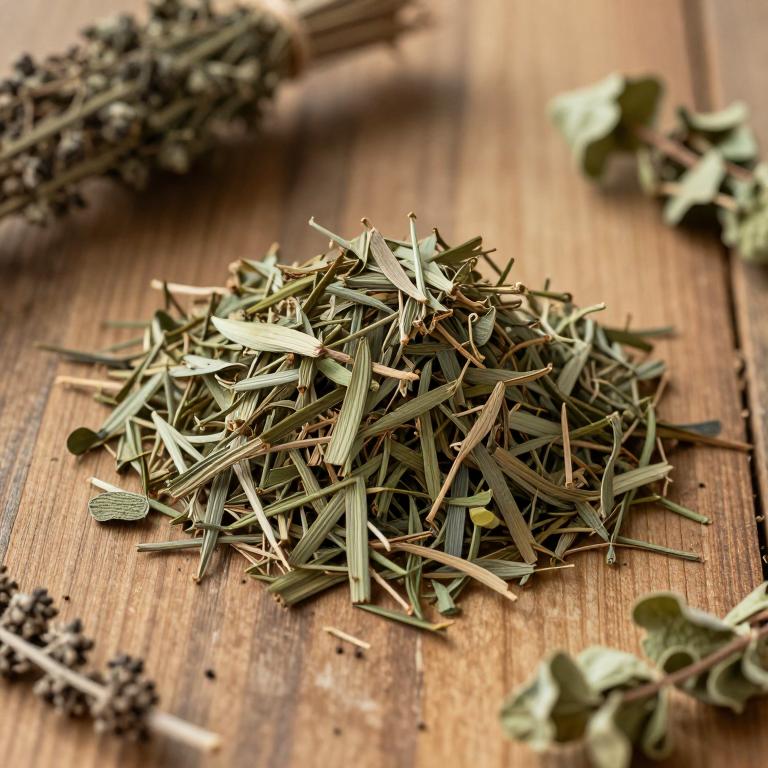
Sasa palmata, commonly known as Kuma-zasa, is a resilient evergreen bamboo species native to the mountainous regions of Japan. This distinctive plant is characterized by its broad, fan-like leaves and its ability to thrive in shaded, forest environments. It holds significant cultural and practical value, particularly through its traditional use in various culinary and medicinal preparations. One of its most notable applications is in the creation of Kuma-zasa, where the plant is processed for specific beneficial properties. Understanding this unique species offers a fascinating glimpse into the intersection of Japanese botany and traditional heritage.
- Synonyms
- Bambusa Palmata · Bambusa Ontakensis · 60 more
- Common names
- Not available
- Family
- Poaceae
- Distribution
- Asia-Tropical
- Plant Parts
- Not available
Classification
Common Names
Sasa palmata is a distinctive species known by several different common names across various regions. It is frequently referred to as Broad-Leaved Bamboo due to its prominent foliage. In certain areas, you may also encounter it called Bambŵ Llydanddail or the uniquely named Breedbladige bamboe. Local traditions sometimes identify the plant as Corsen y Trofannau. Additionally, many people simply recognize it by the common name Bambw.
Sources: Catalogue of Life (COL)
Synonyms
Sasa palmata is a botanical subject that has been classified under several different scientific names throughout history. It is frequently identified by the synonym Arundinaria palmata, as well as the specific variation Arundinaria paniculata f. nebulosa. Taxonomists have also linked the plant to the names Bambusa ontakensis and Bambusa palmata. Furthermore, the name Bambusa palmata f. nebulosa serves as another recognized synonym for this species. Understanding these various nomenclatural relationships is essential for accurate botanical identification.
Sources: The World Checklist of Vascular Plants (WCVP)
Taxonomy
Sasa palmata is a distinctive member of the kingdom Plantae. This plant belongs to the class Equisetopsida and is classified under the order Poales. Within this botanical hierarchy, it is more specifically situated in the family Poaceae. Furthermore, it is a representative of the genus Sasa. These taxonomic relationships highlight its unique position within the vast diversity of the plant world.
| Rank | Classification |
|---|---|
| Kingdom | Plantae |
| Phylum | Streptophyta |
| Class | Equisetopsida |
| Subclass | Magnoliidae |
| Order | Poales |
| Family | Poaceae |
| Genus | Sasa |
Sources: The World Checklist of Vascular Plants (WCVP)
Distribution
Geographic Regions
Sasa palmata exhibits a broad and varied geographic distribution across several distinct regions. In Asia, this plant is commonly found throughout the temperate zones of Eastern Asia, specifically within Japan and Korea. Its presence also extends into the Russian Far East, where it thrives in the Kuril Islands and Sakhalin. Moving beyond the Asian continent, the species reaches into the Australasia region. Specifically, it can be located within the northern parts of New Zealand.
Sources: The World Checklist of Vascular Plants (WCVP)
Identification
Morphology
Sasa palmata is a distinctive shrub known for its sturdy, self-supporting growth form. This resilient plant typically reaches a modest height, often staying within a maximum of 2 meters. However, under certain environmental conditions, it can occasionally grow larger, reaching a maximum height of 3 meters. These characteristics make it a versatile addition to various natural landscapes.
Sources: Global Inventory of Floras and Traits (GIFT)
Biological Activities
Compounds
Conditions
Preparations
Sasa palmata is prepared as Kuma-zasa, a traditional Japanese folk medicine. This herbal remedy is derived from plants belonging to the genus Sasa within the Bambusaceae family. Although Kuma-zasa is reported to originate from Sasa palmata, other species like S. senanensis, S. yahikoensis, and S. kurilensis are also frequently used. Authentication of the specific plant species is often difficult due to their morphological similarities. Consequently, genetic profiling is being explored to accurately determine the botanical origin of the leaves used in this medicine.