sarcandra herbs
Sarcandra · Accepted scientific name
Scientific literature: Very Sparse (8 studies) · ★☆☆☆☆
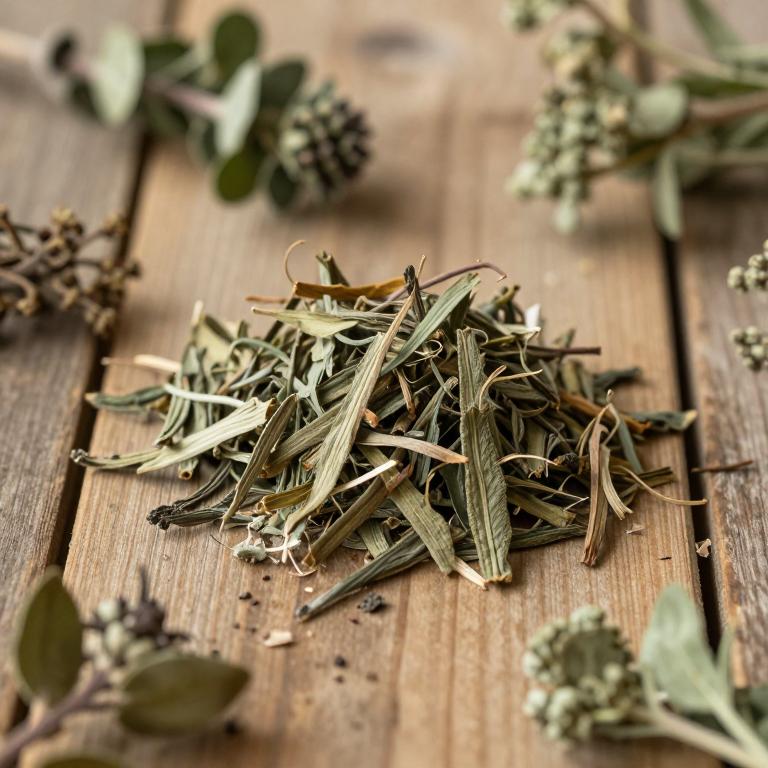
Sarcandra herbs, scientifically known as Sarcandra, is a genus of perennial plants valued in traditional medicine. Often found in moist, shaded habitats, these medicinal plants are recognized for their bioactive compounds. They are frequently utilized in various herbal remedies to support holistic wellness and promote overall therapeutic benefits.
- Family
- Chloranthaceae
- Native range
- Asia-Temperate
- Parts used
- Not available
- Common names
- Sarcandra Herbs
- Scientific synonyms
- Not available
Names and Synonyms
Common Names
- sarcandra herbs
Scientific Names
Accepted name
SarcandraSources: Wikidata, Catalogue of Life
Taxonomical Classification
This plant belongs to the kingdom Plantae and is classified under the phylum Streptophyta within the class Equisetopsida. It is further categorized under the subclass Magnoliidae and the order Chloranthales. Finally, it is a member of the family Chloranthaceae within the genus Sarcandra.
| Rank | Classification |
|---|---|
| Kingdom | Plantae |
| Phylum | Streptophyta |
| Class | Equisetopsida |
| Subclass | Magnoliidae |
| Order | Chloranthales |
| Family | Chloranthaceae |
| Genus | Sarcandra |
Sources: The World Checklist of Vascular Plants (WCVP)
Distribution
This plant exhibits a wide geographical distribution across several key regions of East Asia. In China, it can be found throughout the South-Central provinces as well as the Southeast. Its presence also extends to the tropical island of Hainan. Beyond Chinese borders, the species is naturally occurring in Japan within Eastern Asia. Additionally, it is commonly distributed throughout Korea.
| Region | Area |
|---|---|
| China | China South-Central |
| China | Hainan |
| China | China Southeast |
| Eastern Asia | Japan |
| Eastern Asia | Korea |
| Eastern Asia | Nansei-shoto |
| Eastern Asia | Taiwan |
| Indian Subcontinent | Assam |
| Indian Subcontinent | Bangladesh |
| Indian Subcontinent | India |
Sources: The World Checklist of Vascular Plants (WCVP)
Activities
Sarcandra has 8 reported activities identified across 0 scientific publications and several other databases. The most consistently reported activities include Antibacterial, Antimalarial, Antioxidant, Antitumor, Antiviral.
| Activity | Supporting sources | Consensus |
|---|---|---|
| Antibacterial | 1 supporting sources | ★☆☆☆☆ |
| Antimalarial | 1 supporting sources | ★☆☆☆☆ |
| Antioxidant | 1 supporting sources | ★☆☆☆☆ |
| Antitumor | 1 supporting sources | ★☆☆☆☆ |
| Antiviral | 1 supporting sources | ★☆☆☆☆ |
| Hepatoprotective | 1 supporting sources | ★☆☆☆☆ |
| Hypoglycemic | 1 supporting sources | ★☆☆☆☆ |
| Hypolipidemic | 1 supporting sources | ★☆☆☆☆ |
Antibacterial
- Phytomedicine : international journal of phytotherapy and phytopharmacology
Antimalarial
- Phytomedicine : international journal of phytotherapy and phytopharmacology
Antioxidant
- Phytomedicine : international journal of phytotherapy and phytopharmacology
Antitumor
- Phytomedicine : international journal of phytotherapy and phytopharmacology
Antiviral
- Phytomedicine : international journal of phytotherapy and phytopharmacology
Hepatoprotective
- Phytomedicine : international journal of phytotherapy and phytopharmacology
Hypoglycemic
- Phytomedicine : international journal of phytotherapy and phytopharmacology
Hypolipidemic
- Phytomedicine : international journal of phytotherapy and phytopharmacology