Sapindus
Sapindus · Accepted scientific name
Scientific literature: Very Sparse (0 studies) · ★☆☆☆☆
Sapindus is a fascinating genus of evergreen trees renowned for their unique botanical properties. These plants are most notable for containing high concentrations of saponin, a natural surfactant found within their fruit. This chemical compound allows the berries to produce a rich lather when agitated in water. Because of this characteristic, many people utilize them as a sustainable, biodegradable alternative to synthetic detergents. Understanding the chemical makeup of Sapindus offers valuable insights into the intersection of nature and practical utility.
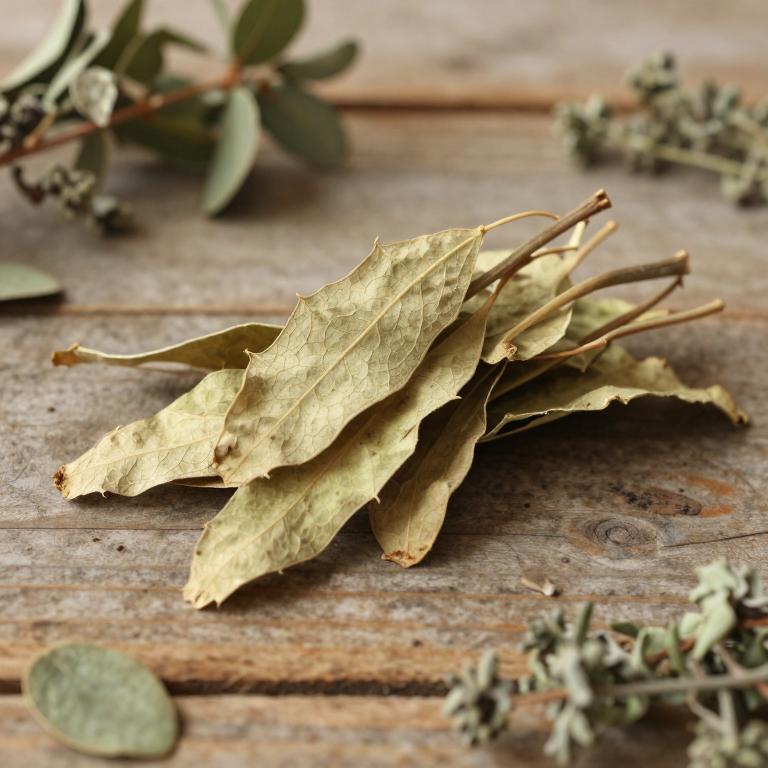
- Synonyms
- Didymococcus · Dittelasma
- Common names
- Not available
- Family
- Sapindaceae
- Distribution
- Pacific
- Plant Parts
- Not available
Classification
Common Names
Sapindus is a versatile plant that is recognized by a diverse array of names across different cultures and languages. In French-speaking regions, it is affectionately referred to as Arbre à savon, while it is known as Bwa savonèt in other local dialects. The plant also carries the unique names of Ch'uchu and Mmoyomoyo depending on the specific community. Furthermore, it is frequently identified as Mosódiófa in certain traditional contexts. These varied appellations highlight the global significance and widespread use of this remarkable species.
Sources: Catalogue of Life (COL)
Synonyms
Sapindus is a botanical genus that has historically been associated with several different taxonomic classifications. Within the scientific literature, it is recognized that the name Didymococcus serves as a formal synonym for this group. Additionally, the genus is linked to the synonym Dittelasma in various botanical records. These overlapping designations reflect the evolving nature of plant classification and historical nomenclature. Understanding these relationships is essential for researchers navigating the complex history of plant taxonomy.
Sources: The World Checklist of Vascular Plants (WCVP)
Taxonomy
Sapindus belongs to the vast kingdom Plantae, representing a diverse group of living organisms. Within this kingdom, it is classified under the class Equisetopsida, marking its place among the flowering plants. This specific plant falls under the order Sapindales, which connects it to a wider array of botanical relatives. Further narrowing its identity, it is a member of the Sapindaceae family. Ultimately, the organism is defined by its own distinct genus, known as Sapindus.
| Rank | Classification |
|---|---|
| Kingdom | Plantae |
| Phylum | Streptophyta |
| Class | Equisetopsida |
| Subclass | Magnoliidae |
| Order | Sapindales |
| Family | Sapindaceae |
| Genus | Sapindus |
Sources: The World Checklist of Vascular Plants (WCVP)
Distribution
Geographic Regions
Sapindus exhibits a broad geographical presence across the African continent, spanning diverse ecological zones. Its distribution includes significant populations throughout East Tropical Africa, specifically within the borders of Kenya, Tanzania, and Uganda. The genus also extends into the unique landscapes of Macaronesia, with notable occurrences in Cape Verde. Furthermore, its range reaches into Northeast Tropical Africa, where it can be found in Chad. This wide-reaching presence underscores the plant's ability to adapt to various regional environments.
Sources: The World Checklist of Vascular Plants (WCVP)
Identification
Biological Activities
Compounds
Sapindus is a botanical source known to contain significant amounts of saponin. Recent research has focused on developing efficient technological parameters to isolate these valuable compounds using macroporous adsorption resin. By employing specific elution processes with ethanol, scientists can achieve a high elutive ratio and substantial purity levels. This purification method not only successfully concentrates the saponins but also allows for the evaluation of their bacteriostasis activity. Ultimately, these findings provide a crucial reference for the effective extraction of saponins from various plant species.