Santolina villosa
Santolina villosa · Accepted scientific name
Scientific literature: Very Sparse (0 studies) · ★☆☆☆☆
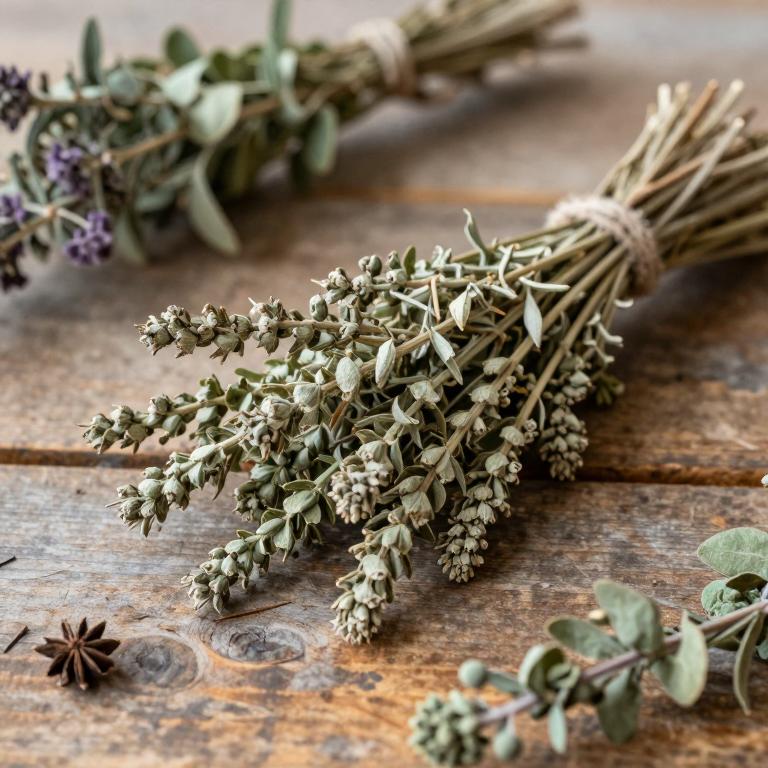
Santolina villosa is a distinctive aromatic shrub known for its silvery foliage and hardy nature. This plant is frequently sought after in traditional herbal practices for its unique botanical properties. One of the most interesting ways to utilize the plant is through the preparation of various medicinal liquors. It can also be carefully infused into wines to enhance their complex flavor profiles and therapeutic qualities. Understanding these specialized preparations allows for a deeper appreciation of this versatile species.
- Synonyms
- Santolina Chamaecyparissus Subsp. Squarrosa · Santolina Chamaecyparissus Var. Squarrosa · 1 more
- Common names
- Not available
- Family
- Asteraceae
- Distribution
- Southern America
- Plant Parts
- Not available
Classification
Synonyms
Santolina villosa is a botanical species that is frequently identified through several different taxonomic synonyms. In many scientific records, it is classified as Santolina chamaecyparissus f. squarrosa. This plant is also recognized under the subspecies designation of Santolina chamaecyparissus subsp. squarrosa. Furthermore, researchers may encounter it listed as the variety Santolina chamaecyparissus var. squarrosa. Understanding these various nomenclature relationships is essential for accurate identification in botanical studies.
Sources: The World Checklist of Vascular Plants (WCVP)
Taxonomy
Santolina villosa belongs to the vast kingdom Plantae, representing the diverse world of multicellular organisms. Within this kingdom, the plant is classified under the class Equisetopsida. It further falls into the order Asterales, a group known for its distinct botanical characteristics. As a member of the Asteraceae family, it shares common traits with many well-known flowering species. Finally, this specific plant is identified by its unique genus, Santolina.
| Rank | Classification |
|---|---|
| Kingdom | Plantae |
| Phylum | Streptophyta |
| Class | Equisetopsida |
| Subclass | Magnoliidae |
| Order | Asterales |
| Family | Asteraceae |
| Genus | Santolina |
Sources: The World Checklist of Vascular Plants (WCVP)
Distribution
Geographic Regions
Santolina villosa is a distinctive plant species primarily found throughout various regions of Europe. Its distribution is most concentrated within Southwestern Europe, where it thrives in specific local climates. Within this geographic range, Spain serves as a significant stronghold for the species' natural growth. These regional connections highlight the plant's specialized ecological niche across the continent. Understanding these patterns provides valuable insight into the botanical landscape of the Mediterranean area.
Sources: The World Checklist of Vascular Plants (WCVP)
Identification
Biological Activities
Compounds
Conditions
Preparations
Santolina villosa is frequently utilized as a key ingredient in the preparation of traditional herbal wines and liquors throughout eastern Spain and the Balearic Islands. These botanical mixtures are often crafted as homemade alcoholic beverages designed to provide digestive and tonic-restorative benefits. As one of the most commonly used species in these regional formulas, the plant contributes to complex recipes that have been inherited through generations. The use of such species reflects a long-standing medicinal tradition where aerial parts of plants are processed into functional spirits. Consequently, Santolina villosa remains a central component in the documented landscape of local herbal liqueur production.