Santolina etrusca
Santolina etrusca · Accepted scientific name
Scientific literature: Very Sparse (0 studies) · ★☆☆☆☆
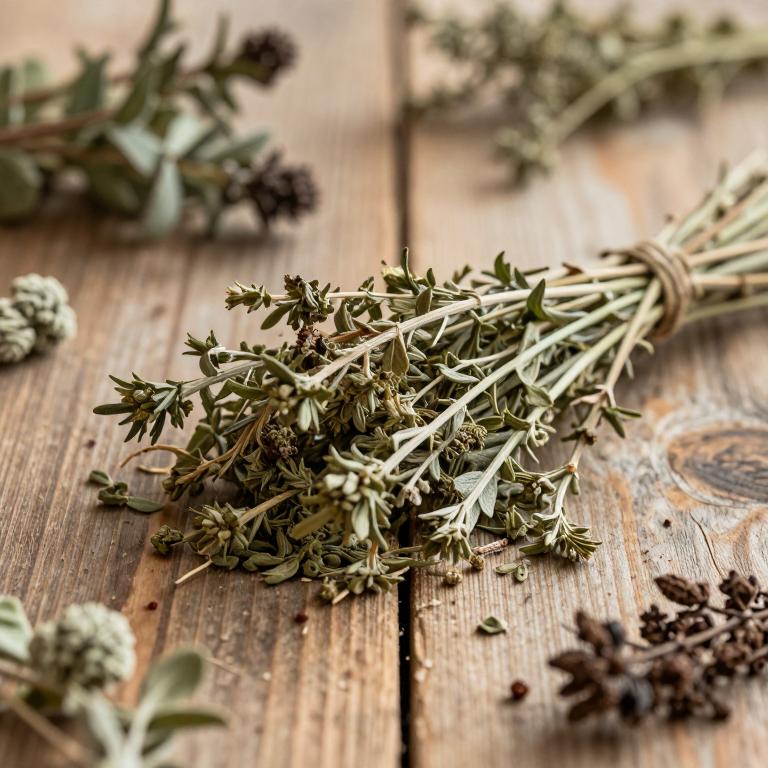
Santolina etrusca is a distinctive aromatic shrub known for its unique physiological properties and medicinal potential. Scientific investigations into this species often focus on the chemical profiles found within its methanol and aqueous extracts. These specific preparations serve as the primary means for isolating bioactive compounds responsible for its biological activities. Understanding the composition of these extracts is essential for evaluating the plant's therapeutic applications in various studies. Consequently, the study of Santolina etrusca provides valuable insights into the intersection of traditional herbal knowledge and modern pharmacology.
- Synonyms
- Santolina Pinnata Subsp. Etrusca · Santolina Chamaecyparissus Var. Estrusca · 1 more
- Common names
- Not available
- Family
- Asteraceae
- Distribution
- Asia-Tropical
- Plant Parts
- Not available
Classification
Common Names
Santolina etrusca is a distinctive plant that is widely recognized by several different names in the botanical community. It is frequently referred to by its common name, Crespolina etrusca, which reflects its specific regional identity. Gardeners and enthusiasts often call it Tuscan lavender-cotton due to its aromatic qualities and appearance. These various names highlight the plant's unique character and its connection to the Mediterranean landscape. Understanding these common designations helps enthusiasts identify this charming species more easily in the wild or a nursery.
Sources: Catalogue of Life (COL)
Synonyms
Santolina etrusca is a botanical subject characterized by several important taxonomic synonyms. Scientific records indicate that this plant is also recognized as Santolina chamaecyparissus var. estrusca. Furthermore, it has been classified under the name Santolina chamaecyparissus var. etrusca in various contexts. The species is also linked to the designation Santolina pinnata subsp. etrusca within different botanical frameworks. Understanding these shifting relationships is essential for accurate identification and study.
Sources: The World Checklist of Vascular Plants (WCVP)
Taxonomy
Santolina etrusca is a distinctive member of the kingdom Plantae. This botanical specimen belongs to the class Equisetopsida and is categorized under the order Asterales. Within this taxonomic framework, it is classified under the family Asteraceae. It is also identified specifically by its unique genus, Santolina. Understanding these biological relationships provides essential insight into the plant's evolutionary lineage.
| Rank | Classification |
|---|---|
| Kingdom | Plantae |
| Phylum | Streptophyta |
| Class | Equisetopsida |
| Subclass | Magnoliidae |
| Order | Asterales |
| Family | Asteraceae |
| Genus | Santolina |
Sources: The World Checklist of Vascular Plants (WCVP)
Distribution
Geographic Regions
Santolina etrusca is a distinctive plant species primarily found within the diverse landscapes of Europe. Its natural distribution is concentrated in Southeastern Europe, where it thrives in specific ecological niches. A significant portion of its population is located within the unique terrain of Italy, marking it as a notable regional flora. Understanding its geographic range provides essential insight into the environmental conditions it requires to flourish. Consequently, this plant remains a characteristic element of the Mediterranean and surrounding European habitats.
Sources: The World Checklist of Vascular Plants (WCVP)
Identification
Morphology
Santolina etrusca is a self-supporting plant that maintains its own structure without the need for external support.
Sources: Global Inventory of Floras and Traits (GIFT)
Biological Activities
Compounds
Conditions
Santolina etrusca demonstrates significant antimycotic activity against the pathogen Saprolegnia ferax. Scientific screening of its methanol and aqueous extracts has successfully determined the minimum inhibitory concentrations required to treat this specific organism. Beyond its biological properties, the plant holds a documented role in traditional ethnobotanical practices. Specifically, local folk traditions in the Acquapendente district utilize Santolina etrusca for its effectiveness in antimoth use. These dual roles highlight the plant's utility in both clinical mycological applications and historical pest management.
Preparations
Santolina etrusca is prepared as both methanol and aqueous extracts for scientific study. These specific preparations are utilized to screen for antimycotic activity against the pathogen Saprolegnia ferax. The research process involves testing these extracts in vitro to determine their minimum inhibitory concentration. Additionally, the study examines two specific fractions derived from the aqueous extracts of the plant. This systematic preparation allows for a detailed evaluation of the plant's medicinal potential.