Sanicula
Sanicula · Accepted scientific name
Scientific literature: Very Sparse (0 studies) · ★☆☆☆☆
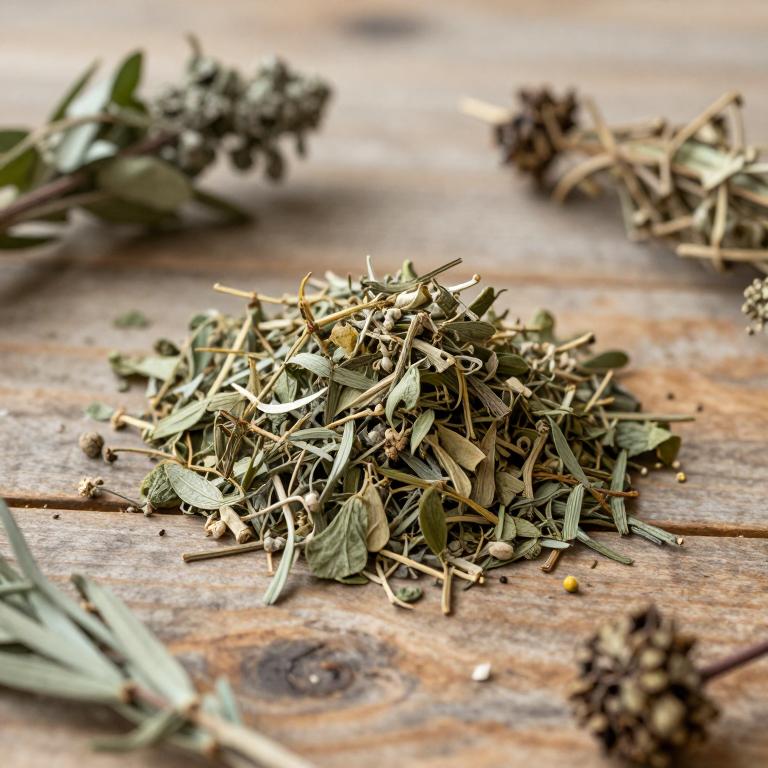
Sanicula is a versatile genus of herbaceous plants often recognized for their unique leaf structures. These leaves serve as the primary source for various botanical applications and traditional uses. Researchers frequently focus on the plant to develop specialized extracts for study. Among these, the water soluble extract is particularly valued for its specific chemical properties. Understanding these preparations is essential for exploring the full potential of the Sanicula species.
- Synonyms
- Triclinium · Aulosolena · 2 more
- Common names
- Not available
- Family
- Apiaceae
- Distribution
- Not available
- Plant Parts
- Leaf
Classification
Common Names
Sanicula is a diverse genus of plants that is recognized by several different names across various languages and regions. In certain contexts, it is known by the common name Sanicles, while others may refer to it as Sanikel. It also carries the specific designations of Hojawa or Girūnė depending on the local tradition. In some linguistic settings, the group is collectively identified as the Sanikel-slægten. These overlapping names highlight the widespread botanical interest in this unique group of species.
Sources: Catalogue of Life (COL)
Synonyms
Sanicula is a complex genus that has historically been associated with several different botanical names. Throughout taxonomic history, various classifications have been proposed, including synonyms such as Aulosolena and Dondisia. The genus also shares close nomenclatural ties with Hacquetia and Hesperogeton in certain botanical contexts. Additionally, the name Triclinium has been utilized as a synonym within this group of plants. Understanding these shifting relationships is essential for navigating the evolving landscape of plant taxonomy.
Sources: The World Checklist of Vascular Plants (WCVP)
Taxonomy
Sanicula belongs to the expansive kingdom Plantae, representing a diverse branch of the living world. Within this kingdom, it is classified under the class Equisetopsida, marking its place among the vascular plants. This plant is further organized into the order Apiales, which connects it to a wide range of structurally similar species. It holds a specific position within the family Apiaceae, a group often recognized for its unique floral characteristics. Ultimately, these taxonomic layers define its identity within the singular genus Sanicula.
| Rank | Classification |
|---|---|
| Kingdom | Plantae |
| Phylum | Streptophyta |
| Class | Equisetopsida |
| Subclass | Magnoliidae |
| Order | Apiales |
| Family | Apiaceae |
| Genus | Sanicula |
Sources: The World Checklist of Vascular Plants (WCVP)
Distribution
Geographic Regions
Sanicula displays a diverse geographical range across several regions of the African continent. Its presence is notably established throughout East Tropical Africa, with specific populations found in Kenya, Tanzania, and Uganda. The plant also extends into Northeast Tropical Africa, specifically inhabiting the landscapes of Eritrea. Beyond the mainland, its distribution reaches the Atlantic islands of Macaronesia, including the Azores. This wide-reaching spread highlights the plant's adaptability to various African and island ecosystems.
Sources: The World Checklist of Vascular Plants (WCVP)
Identification
Biological Activities
Compounds
Sanicula is a genus within the Apiaceae family that is notable for its significant chemical composition. Research indicates that these plants contain large amounts of rosmarinic acid, often exceeding 3% based on their dry weight. This high concentration of rosmarinic acid is part of a broader profile of total hydroxycinnamic derivatives found in the species. Such chemical properties are closely linked to the antioxidant activity observed in hydroalcoholic extracts. Consequently, the presence of these compounds makes the genus a subject of interest for its medicinal potential.
Conditions
Preparations
Sanicula is prepared as extracts to investigate its influence on influenza virus growth. These extracts are specifically processed into various fractions, such as fractions I, II, and III, through Sephadex column chromatography. Research further demonstrates that Sanicula is prepared as a water soluble extract for testing purposes. This specific water soluble form has been shown to inhibit in vitro RNA synthesis with viral RNA-dependent RNA polymerase. Consequently, the preparation of Sanicula as these distinct extracts serves to identify potential anti-influenza virus substances.
Parts used
Sanicula europaea L. serves as a significant subject of study regarding its potential medicinal properties against viral infections. Research has specifically focused on the plant's leaves to evaluate their efficacy in combating pathogens. During these investigations, extracts derived from the leaf portion demonstrated a notable ability to inhibit the replication of human parainfluenza virus type 2. While an acidic fraction from the leaves showed the highest antiviral activity, further purification attempts yielded mixed results. Ultimately, the leaf components of this species provide a promising yet complex area for continued pharmacological exploration.