Sanguisorba
Sanguisorba · Accepted scientific name
Scientific literature: Very Sparse (5 studies) · ★☆☆☆☆
Sanguisorba is a versatile genus of plants renowned for its diverse range of therapeutic properties. It is highly valued in traditional medicine for its potent hemostatic and antibacterial activities. Research also suggests the plant may possess significant antitumor and hypoglycemic effects. A key component contributing to its biological benefits is the presence of vitamin C. These combined characteristics make Sanguisorba a subject of great interest in pharmacological studies.
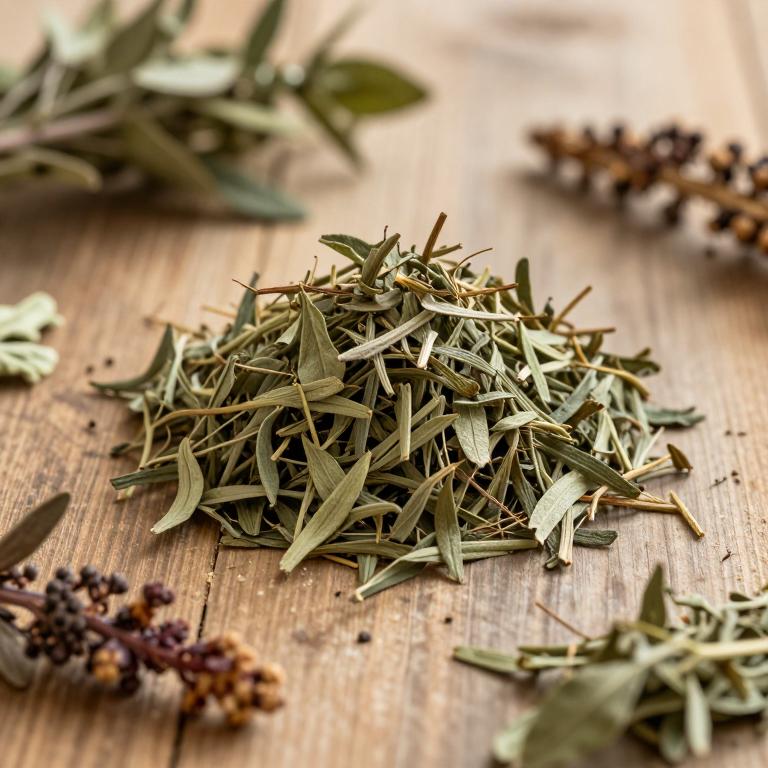
- Synonyms
- Poterium · Poteridium · 2 more
- Common names
- Not available
- Family
- Rosaceae
- Distribution
- Australasia
- Plant Parts
- Not available
Classification
Common Names
Sanguisorba is a diverse genus known by a wide variety of regional and common names across different languages. In many contexts, it is frequently referred to by the English name Pimpernel. Depending on the local dialect, you might encounter it called Kraujalakė or Krwiściąg. Nordic influences also shape its identity, where it is recognized as Kvæsurt or as part of the Kvæsurtslægten group. These various appellations highlight the widespread cultural presence and linguistic diversity associated with this plant.
Sources: Catalogue of Life (COL)
Synonyms
Sanguisorba is a botanical genus that has historically been categorized under several different taxonomic names. Throughout various studies, it has been recognized by synonyms such as Dendriopoterium and Poteridium. The genus is also closely linked to the names Poterium and Tobium in older scientific literature. These shifting classifications reflect the evolving nature of plant taxonomy and botanical research. Understanding these relationships helps researchers navigate the complex history of the plant's nomenclature.
Sources: The World Checklist of Vascular Plants (WCVP)
Taxonomy
Sanguisorba belongs to the diverse kingdom Plantae, representing a fundamental branch of the living world. Within this kingdom, it is classified under the class Equisetopsida. Its taxonomic journey continues through the order Rosales, which provides a structural framework for its development. Furthermore, the plant is a proud member of the Rosaceae family, sharing traits with many well-known flowering species. Finally, it is defined by its specific genus, Sanguisorba, which distinguishes it from its botanical relatives.
| Rank | Classification |
|---|---|
| Kingdom | Plantae |
| Phylum | Streptophyta |
| Class | Equisetopsida |
| Subclass | Magnoliidae |
| Order | Rosales |
| Family | Rosaceae |
| Genus | Sanguisorba |
Sources: The World Checklist of Vascular Plants (WCVP)
Distribution
Geographic Regions
Sanguisorba exhibits a broad geographical presence across several key regions, particularly throughout Africa and its surrounding territories. Its distribution spans the Macaronesian islands, including the Azores, the Canary Islands, and Madeira. Within the African continent, the plant is notably established in Northern Africa, finding suitable habitats in diverse environments. Specific localized populations can be found in countries such as Algeria and Egypt. This wide-ranging connectivity highlights the plant's ability to thrive across various North African and Atlantic island ecosystems.
Sources: The World Checklist of Vascular Plants (WCVP)
Identification
Biological Activities
Sanguisorba has been utilized as a medicinal ingredient for over 2000 years due to its diverse biological capabilities. Recent in vivo and in vitro studies have confirmed that the genus possesses significant antibacterial and antitumor activities. Furthermore, these plants demonstrate potent hemostatic properties, which have been traditionally applied to treat hemorrhaging. Research also highlights their potential in modern medicine through neuroprotective and hypoglycemic activities. Understanding these complex pharmacological relationships is essential for exploring the full clinical value of the genus.