Sanguinaria
Sanguinaria · Accepted scientific name
Scientific literature: Very Sparse (0 studies) · ★☆☆☆☆
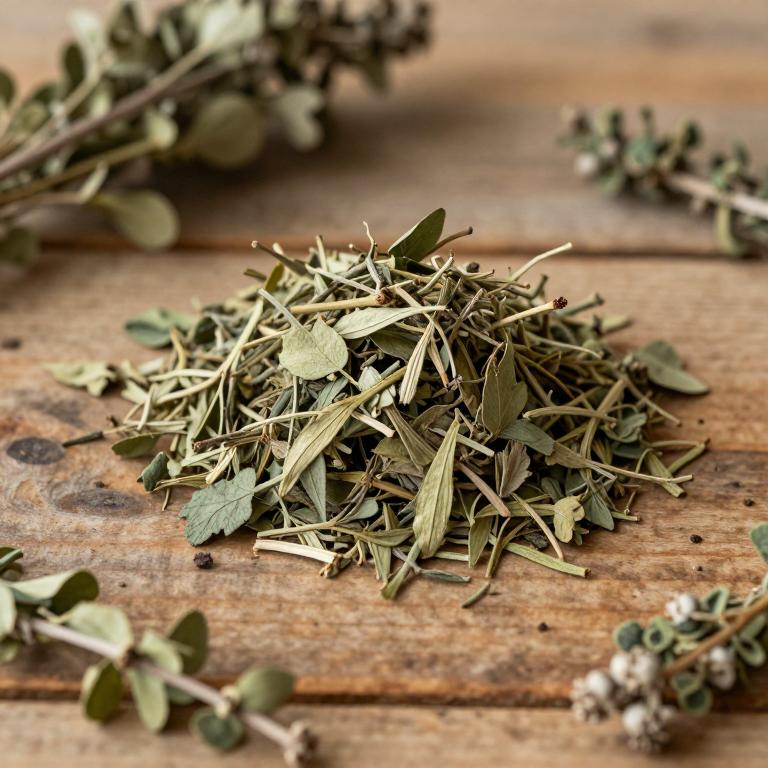
Sanguinaria is a versatile botanical known for its potent medicinal properties and distinct reddish sap. Historically, this plant has been integrated into various traditional preparations to address diverse health concerns. It serves as a foundational ingredient in several herbal compounds designed for therapeutic use. Many practitioners also utilize it in the formulation of specialized dentifrices to maintain oral health. Furthermore, its astringent qualities make it an effective component in various restorative mouthrinses.
- Synonyms
- Belharnosia
- Common names
- Not available
- Family
- Papaveraceae
- Distribution
- Not available
- Plant Parts
- Not available
Classification
Common Names
Sanguinaria is a plant widely recognized by its striking common names, most notably the English term bloodroot. Depending on the region and language, it may also be referred to as Bloodroots or simply bloodurt. In various cultural contexts, its distinctive identity is preserved through names like krvavi korijen. Some linguistic variations even lead to it being called krevnice. Regardless of the specific name used, these diverse monikers all point to the same unique botanical species.
Sources: Catalogue of Life (COL)
Synonyms
Sanguinaria is a fascinating genus that continues to intrigue botanical researchers and collectors alike. Within various taxonomic discussions, the name Belharnosia has been identified as a formal synonym for this plant. This nomenclatural relationship highlights the complex history of how different species have been classified over time. Understanding these linguistic links is essential for anyone studying the evolutionary lineage of the group. Consequently, recognizing both terms ensures accuracy when navigating scientific literature and botanical databases.
Sources: The World Checklist of Vascular Plants (WCVP)
Taxonomy
Sanguinaria belongs to the vast kingdom Plantae, marking its place among the diverse life forms on Earth. Within this biological realm, it is classified under the class Equisetopsida and the order Ranunculales. This lineage further narrows down to the specific family Papaveraceae, which connects it to other notable flowering plants. At a more focused level, it is defined by its own distinct genus, Sanguinaria. These taxonomic layers provide a clear map of the plant's unique evolutionary position.
| Rank | Classification |
|---|---|
| Kingdom | Plantae |
| Phylum | Streptophyta |
| Class | Equisetopsida |
| Subclass | Magnoliidae |
| Order | Ranunculales |
| Family | Papaveraceae |
| Genus | Sanguinaria |
Sources: The World Checklist of Vascular Plants (WCVP)
Distribution
Geographic Regions
Sanguinaria is widely distributed throughout various regions of Northern America. Its presence is particularly notable across Eastern Canada, where it can be found in provinces such as New Brunswick, Nova Scotia, Ontario, and Québec. Beyond the Canadian border, the plant also extends its reach into the North-Central United States. Specifically, it has been identified within the state of Illinois. This broad range demonstrates the plant's ability to thrive in diverse temperate environments across the continent.
Sources: The World Checklist of Vascular Plants (WCVP)
Identification
Biological Activities
Compounds
Conditions
Preparations
Sanguinaria is prepared as various medicinal preparations that may impact oral health. Specifically, this plant is prepared as dentifrices and mouthrinses used for oral care. It is also utilized as an herbal compound within these different products. These specific preparations are studied due to their association with oral leukoplakia. Therefore, the various ways sanguinaria is prepared play a significant role in clinical observations of mucosal lesions.