elder
Sambucus · Accepted scientific name
Scientific literature: Very Sparse (24 studies) · ★☆☆☆☆
Elder, scientifically known as Sambucus, is a versatile medicinal shrub revered for centuries in traditional healing. Renowned for its potent antioxidant properties, its berries and flowers are frequently used to support immune health, alleviate respiratory congestion, and reduce inflammation, making it a cornerstone of natural wellness and herbal remedies.
- Family
- Viburnaceae
- Native range
- Europe
- Parts used
- Not available
- Common names
- Elder · Elderberry · 2 more
- Scientific synonyms
- Ebulum · Tripetelus
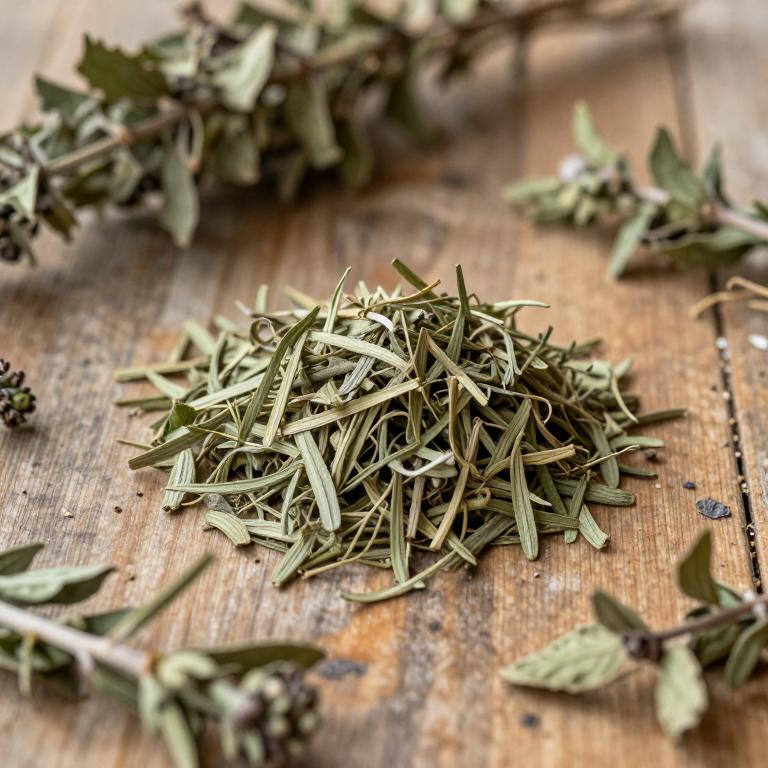
Names and Synonyms
Common Names
- elder
- elderberry
- elderberries
- elders
Scientific Names
Accepted name
SambucusSynonyms
- Ebulum
- Tripetelus
Regional and Traditional Names
Spanish:
- Sauco
- Cañilero
- Canilero
- Saúco
- Flor de saúco
- saúcos
- Saúco
German:
- Holunder
- Hollerbeere
- Holunderbeere
- Holderbusch
- Holunder
- Holler
- Hollerstaude
French:
- Sureau
- sureaux
- Sureau
Sources: Wikidata, Catalogue of Life
Taxonomical Classification
This plant belongs to the kingdom Plantae and the phylum Streptophyta, falling under the class Equisetopsida and subclass Magnoliidae. Within the order Dipsacales and the family Viburnaceae, it is classified under the genus Sambucus.
| Rank | Classification |
|---|---|
| Kingdom | Plantae |
| Phylum | Streptophyta |
| Class | Equisetopsida |
| Subclass | Magnoliidae |
| Order | Dipsacales |
| Family | Viburnaceae |
| Genus | Sambucus |
Sources: The World Checklist of Vascular Plants (WCVP)
Distribution
This plant is widely distributed across several regions of Northern Europe. In the western part of this territory, it can be found growing in both Great Britain and Ireland. Moving further north, the species is also established within the borders of Denmark. The plant's range extends into the Scandinavian Peninsula, where it inhabits Norway. Finally, its presence is confirmed in the northernmost reaches of the region within Finland.
| Region | Area |
|---|---|
| Northern Europe | Denmark |
| Northern Europe | Finland |
| Northern Europe | Great Britain |
| Northern Europe | Ireland |
| Northern Europe | Norway |
| Northern Europe | Sweden |
| Middle Europe | Austria |
| Middle Europe | Belgium |
| Middle Europe | Czechia-Slovakia |
| Middle Europe | Germany |
Sources: The World Checklist of Vascular Plants (WCVP)
Chemicals
Sambucus has 1 reported phytochemicals identified across 0 scientific publications and several other databases. The most consistently reported chemicals include SSA.
| Chemical | Supporting sources | Consensus |
|---|---|---|
| SSA | 1 supporting sources | ★☆☆☆☆ |
SSA
- Biochimie
Activities
Sambucus has 9 reported activities identified across 0 scientific publications and several other databases. The most consistently reported activities include Antioxidant, Antidiabetic, Antimicrobial, Analgesic, Anticancer.
| Activity | Supporting sources | Consensus |
|---|---|---|
| Antioxidant | 3 supporting sources | ★★☆☆☆ |
| Antidiabetic | 2 supporting sources | ★☆☆☆☆ |
| Antimicrobial | 2 supporting sources | ★☆☆☆☆ |
| Analgesic | 1 supporting sources | ★☆☆☆☆ |
| Anticancer | 1 supporting sources | ★☆☆☆☆ |
| Antidepressant | 1 supporting sources | ★☆☆☆☆ |
| Antiosteoporotic | 1 supporting sources | ★☆☆☆☆ |
| Antiviral | 1 supporting sources | ★☆☆☆☆ |
| Hypolipidemic | 1 supporting sources | ★☆☆☆☆ |
Antioxidant
- Journal of ethnopharmacology
- International journal of molecular sciences
- Tropical life sciences research
Antidiabetic
- Journal of ethnopharmacology
- International journal of molecular sciences
Antimicrobial
- Journal of ethnopharmacology
- International journal of molecular sciences
Analgesic
- Journal of ethnopharmacology
Anticancer
- Tropical life sciences research
Antidepressant
- Journal of ethnopharmacology
Antiosteoporotic
- Journal of ethnopharmacology
Antiviral
- Tropical life sciences research
Hypolipidemic
- Journal of ethnopharmacology
Conditions
Sambucus has 9 reported investigations on conditions identified across 0 scientific publications and several other databases. The most consistently reported conditions include urinary tract infections, bone fractures, diarrhea, headaches, menstrual pains.
| Condition | Supporting sources | Consensus |
|---|---|---|
| Urinary tract infections | 2 supporting sources | ★☆☆☆☆ |
| Bone fractures | 1 supporting sources | ★☆☆☆☆ |
| Diarrhea | 1 supporting sources | ★☆☆☆☆ |
| Headaches | 1 supporting sources | ★☆☆☆☆ |
| Menstrual pains | 1 supporting sources | ★☆☆☆☆ |
| Rheumatism | 1 supporting sources | ★☆☆☆☆ |
| Skin diseases | 1 supporting sources | ★☆☆☆☆ |
| Snakebites | 1 supporting sources | ★☆☆☆☆ |
| Wounds | 1 supporting sources | ★☆☆☆☆ |
Urinary tract infections
- Journal of ethnopharmacology
- Acta poloniae pharmaceutica
Bone fractures
- Journal of ethnopharmacology
Diarrhea
- Journal of ethnopharmacology
Headaches
- Journal of ethnopharmacology
Menstrual pains
- Journal of ethnopharmacology
Rheumatism
- Journal of ethnopharmacology
Skin diseases
- Journal of ethnopharmacology
Snakebites
- Journal of ethnopharmacology
Wounds
- Journal of ethnopharmacology
Preparations
Sambucus has 1 reported preparations identified across 0 scientific publications and several other databases. The most consistently reported preparations include aqueous extracts.
| Preparation | Supporting sources | Consensus |
|---|---|---|
| Aqueous extracts | 1 supporting sources | ★☆☆☆☆ |
Aqueous extracts
- Acta poloniae pharmaceutica