Salvia willeana
Salvia willeana · Accepted scientific name
Scientific literature: Very Sparse (3 studies) · ★☆☆☆☆
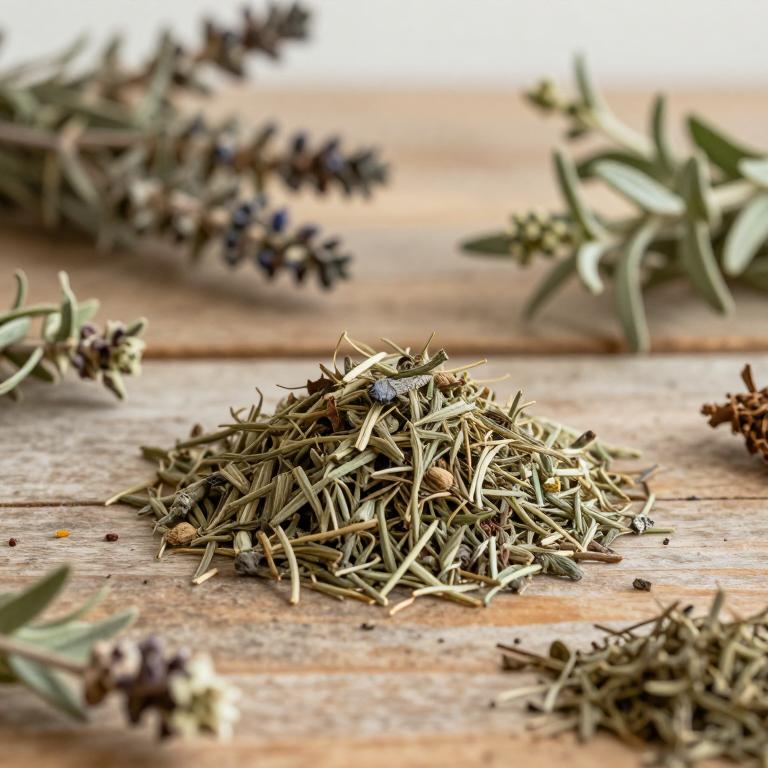
, scientifically known as Salvia willeana, is a remarkable medicinal shrub native to the Andean regions. Renowned for its aromatic properties, this plant is traditionally used in folk medicine to treat various ailments. Its unique chemical composition offers significant therapeutic potential, making it a subject of growing botanical interest.
- Family
- Not available
- Native range
- Asia-Temperate
- Parts used
- Not available
- Common names
- Not available
- Scientific synonyms
- Not available
Names and Synonyms
Scientific Names
Accepted name
Salvia willeanaDistribution
This plant, known as Salvia willeanana, exhibits a very specific and limited geographical distribution. Its presence is recorded within the region of Western Asia. Specifically, the species can be found on the island of Cyprus. This narrow range suggests that it may be adapted to the particular environmental conditions of this Mediterranean location. Consequently, understanding its habitat in Cyprus is essential for studying its natural occurrence.
| Region | Area |
|---|---|
| Western Asia | Cyprus |
Sources: The World Checklist of Vascular Plants (WCVP)
Botanical Identification
Life history
The life history of Salvia willeanana is characterized by its classification as a chamaephyte, a life form that dictates its survival strategy and structural development. As a chamaephyte, its perennating buds are located close to the soil surface, often just above it, allowing the plant to withstand varying environmental stressors by maintaining its regenerative organs in a protected position. This growth habit facilitates its ability to persist through seasonal changes, balancing a low-growing stature with the capacity to produce reproductive structures that extend slightly above the ground level. This specific life form categorization ensures that the plant can effectively navigate its ecological niche, utilizing its proximity to the substrate to maintain stability and resilience throughout its life cycle.
- Life form :
- chamaephyte
Morphology
The morphology of Salvia willeana is characterized by a growth habit that is fundamentally terrestrial, as it functions as an independent organism rather than an epiphyte. In terms of its structural support, the plant is categorized as a self-supporting climber, meaning it possesses the necessary mechanical integrity to maintain its posture, though it may utilize surrounding vegetation for assistance. It does not exhibit parasitic tendencies, functioning as an independent species without reliance on a host for nutrients.
- Climber :
- self-supporting
- Epiphyte :
- terrestrial
- Parasite :
- independent
Sources: Global Inventory of Floras and Traits (GIFT)
Chemicals
Salvia willeana has 1 reported phytochemicals identified across 0 scientific publications and several other databases. The most consistently reported chemicals include Carnosic acid.
| Chemical | Supporting sources | Consensus |
|---|---|---|
| Carnosic acid | 1 supporting sources | ★☆☆☆☆ |
Carnosic acid
- Dr. Duke
Activities
Salvia willeana has 2 reported activities identified across 0 scientific publications and several other databases. The most consistently reported activities include Antimutagenic, Antioxidant.
| Activity | Supporting sources | Consensus |
|---|---|---|
| Antimutagenic | 1 supporting sources | ★☆☆☆☆ |
| Antioxidant | 1 supporting sources | ★☆☆☆☆ |
Antimutagenic
- Dr. Duke
Antioxidant
- Dr. Duke