Salvia somalensis
Salvia somalensis · Accepted scientific name
Scientific literature: Very Sparse (0 studies) · ★☆☆☆☆
Salvia somalensis is a botanical species that has garnered increasing scientific interest due to its diverse biological properties. Recent investigations have focused on the therapeutic potential of its extracted essential oils against various harmful microorganisms. These studies specifically examine the plant's efficacy in inhibiting the growth of fungal pathogens such as Aspergillus flavus, Aspergillus niger, and Candida albicans. Furthermore, the antimicrobial activity of these preparations is tested against the common bacterial pathogen Escherichia coli. Understanding these interactions provides valuable insights into the medicinal utility of this plant in combating infectious agents.
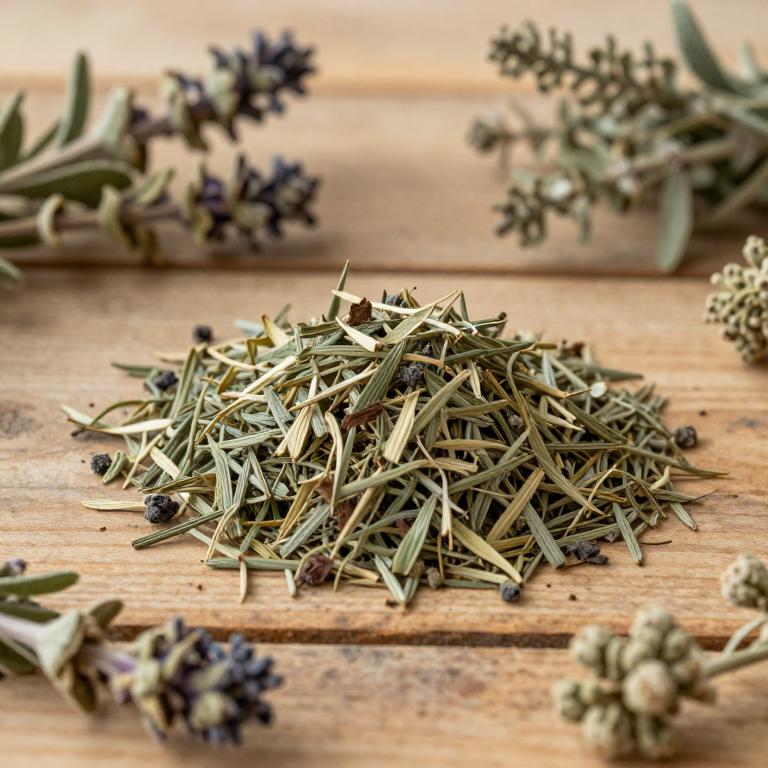
- Synonyms
- Not available
- Common names
- Not available
- Family
- Lamiaceae
- Distribution
- Africa
- Plant Parts
- Not available
Classification
Common Names
Salvia somalensis is a distinctive plant species that is recognized by several different monikers in various regions. It is frequently referred to by the common name Somalia sage, reflecting its natural habitat. Additionally, many people identify this aromatic herb as Somaliland Sage. These overlapping names highlight the plant's important cultural and geographical connections within its native territory. Understanding these various labels helps enthusiasts and botanists alike identify the species with greater ease.
Sources: Catalogue of Life (COL)
Taxonomy
Salvia somalensis is a distinct botanical specimen that belongs to the vast kingdom Plantae. Within this expansive realm, it is classified under the class Equisetopsida. It specifically falls under the order Lamiales, a group that features many diverse flowering species. This plant is a member of the well-known genus Salvia, which is characterized by its unique floral structures. Ultimately, it is categorized within the Lamiaceae family, making it a true relative of the mints.
| Rank | Classification |
|---|---|
| Kingdom | Plantae |
| Phylum | Streptophyta |
| Class | Equisetopsida |
| Subclass | Magnoliidae |
| Order | Lamiales |
| Family | Lamiaceae |
| Genus | Salvia |
Sources: The World Checklist of Vascular Plants (WCVP)
Distribution
Geographic Regions
Salvia somalensis is a distinctive plant species primarily found within the African continent. Its natural range is concentrated in the regions of Northeast Tropical Africa, where it thrives in specific environmental conditions. Most notably, the species is a characteristic element of the landscape in Somalia. This localized distribution highlights the unique ecological niche the plant occupies within its native habitat. Understanding these geographical patterns provides essential insight into the botanical diversity of the Somali region.
Sources: The World Checklist of Vascular Plants (WCVP)
Identification
Morphology
Salvia somalensis is a self-supporting plant that maintains its own structure through a sturdy growth habit. This species is characterized by its distinct shrub-like form, allowing it to thrive independently in its natural habitat.
Sources: Global Inventory of Floras and Traits (GIFT)
Biological Activities
Compounds
Conditions
Salvia somalensis essential oils were tested for their potential to treat several different pathogens. The plant demonstrated activity against the molds Aspergillus flavus and Aspergillus niger. Additionally, it was evaluated for its ability to treat the yeasts Candida albicans and Candida krusei. The study also included testing the plant's effectiveness against the bacterium Escherichia coli. Ultimately, these specific relationships were analyzed to determine the medicinal efficacy of the essential oil.
Preparations
Salvia somalensis is prepared as essential oils that are widely utilized within the cosmetic and perfume industries. These extracted oils consist of primary chemical constituents such as bornyl acetate and camphor. Researchers analyzed these specific oils to determine their composition and effectiveness against various pathogens. Testing revealed that the essential oils were evaluated against a broad range of bacteria, molds, and yeasts. Ultimately, the study concluded that these prepared oils do not possess significant antibacterial or antifungal activities when compared to conventional drugs.