Salvia reflexa
Salvia reflexa · Accepted scientific name
Scientific literature: Very Sparse (0 studies) · ★☆☆☆☆
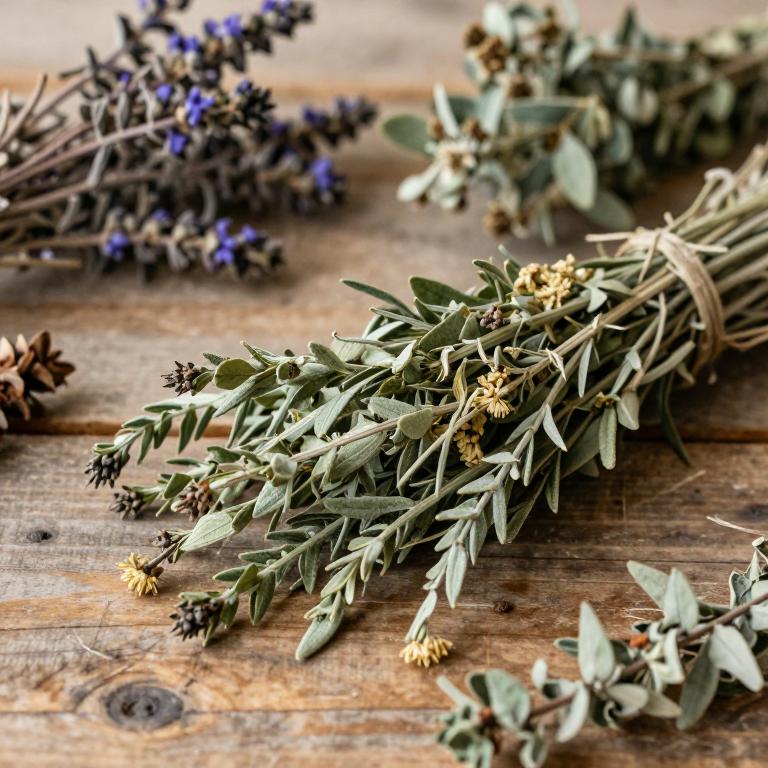
Salvia reflexa is a distinctive flowering plant known for its unique architectural structure and vibrant presence in natural landscapes. Beyond its aesthetic appeal, this species has long been recognized in traditional herbal practices for its specific medicinal properties. It is often utilized in folk medicine as a natural remedy to help manage the symptoms associated with a fever. By leveraging its bioactive compounds, practitioners aim to restore balance to the body during periods of illness. Understanding the connection between this plant and its therapeutic uses offers a fascinating glimpse into the intersection of botany and healing.
- Synonyms
- Salvia Aspidophylla · Salvia Trichostemoides · 2 more
- Common names
- Not available
- Family
- Lamiaceae
- Distribution
- Not available
- Plant Parts
- Not available
Classification
Common Names
Salvia reflexa is a versatile plant known by several different regional and descriptive names. It is most frequently identified as Lanceleaf Sage, a name that highlights its distinct foliage. Some botanists and locals also refer to it as Mintweed, including the variation Mintweed (EN), due to its aromatic qualities. Additionally, the species is commonly called Rocky Mountain sage, reflecting its natural habitat. It is even associated with the name Clari Prinflodeuog in certain contexts.
Sources: Catalogue of Life (COL)
Synonyms
Salvia reflexa is a complex species that has been subject to various taxonomic reclassifications over time. Because of these shifts in botanical nomenclature, the plant is associated with several important synonyms. It is frequently identified in historical records as Salvia aspidophylla or Salvia monspeliensis. Additionally, researchers may encounter the names Salvia pauciflora and Salvia trichostemoides when studying its lineage. Understanding these various designations is essential for accurately identifying the species within botanical literature.
Sources: The World Checklist of Vascular Plants (WCVP)
Taxonomy
Salvia reflexa is a fascinating member of the kingdom Plantae that showcases the incredible diversity of the natural world. This specific species belongs to the genus Salvia, a group renowned for its distinctive floral structures. Within this genus, it is classified under the family Lamiaceae, often referred to as the mint family. Its taxonomic journey continues through the order Lamiales, which connects it to many other important flowering plants. Finally, this plant is categorized under the class Equisetopsida, rounding out its formal biological identity.
| Rank | Classification |
|---|---|
| Kingdom | Plantae |
| Phylum | Streptophyta |
| Class | Equisetopsida |
| Subclass | Magnoliidae |
| Order | Lamiales |
| Family | Lamiaceae |
| Genus | Salvia |
Sources: The World Checklist of Vascular Plants (WCVP)
Distribution
Geographic Regions
Salvia reflexa is widely distributed across the diverse landscapes of the African continent. Its presence is particularly notable throughout Southern Africa, where it thrives in various regional climates. Specifically, the plant can be found spanning the Cape Provinces and the Free State. It also maintains significant populations within the lush regions of KwaZulu-Natal and the highlands of Lesotho. Finally, its reach extends into the tropical reaches of South Tropical Africa and Zimbabwe, showcasing its impressive adaptability.
Sources: The World Checklist of Vascular Plants (WCVP)
Identification
Morphology
Salvia reflexa is a self-supporting herb characterized by its distinct growth form. This plant typically reaches a moderate stature, maintaining a height that stays within a specific range. Most specimens grow to a maximum of 0.75 m, though they can be as short as 0.5 m. These dimensions contribute to its overall presence within its natural habitat.
Sources: Global Inventory of Floras and Traits (GIFT)
Biological Activities
Compounds
Conditions
Salvia reflexa is noted for its medicinal capacity to treat fever. This plant also functions to combat inflammation associated with both skin and lung infections. While the provided abstracts discuss the therapeutic uses of S. africana-lutea, S. lanceolata, and S. chamelaeagnea, the specific relationships attributed to Salvia reflexa remain central to its profile. These healing properties highlight the significant pharmacological value found within certain Salvia species. Consequently, the ability to manage fever and infection-related inflammation defines the therapeutic importance of the plant.