Salvia pomifera
Salvia pomifera · Accepted scientific name
Scientific literature: Very Sparse (1 studies) · ★☆☆☆☆
Salvia pomifera is a distinctive species within the Lamiaceae family that has garnered scientific interest for its complex chemical profile. Recent pharmacological investigations have focused on the biological potential of this plant to combat cellular abnormalities. Specifically, researchers have utilized methanolic extracts to isolate its potent bioactive compounds. These studies have demonstrated that the plant possesses significant antiproliferative activities against various cell lines. Understanding these mechanisms offers promising insights into the development of new therapeutic agents derived from natural sources.
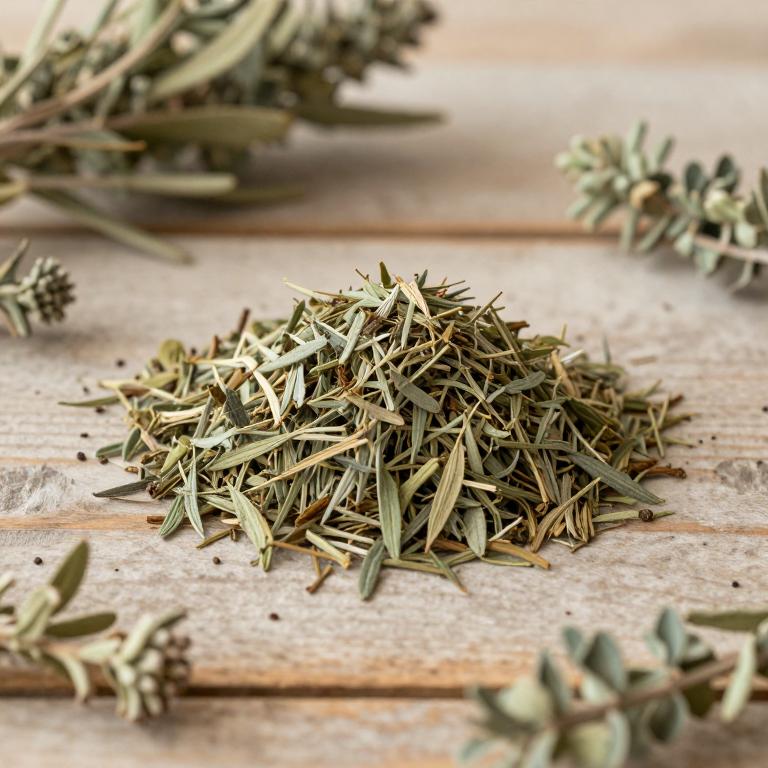
- Synonyms
- Crolocos Pomifera
- Common names
- Not available
- Family
- Lamiaceae
- Distribution
- Not available
- Plant Parts
- Not available
Classification
Common Names
Salvia pomifera is a versatile plant known by a variety of distinct common names across different regions. It is frequently referred to as Arcadian Sage or Mountain Sage, highlighting its natural habitats and cultural associations. Some enthusiasts also call it apple-bearing sage due to its unique appearance. This botanical identity extends into other languages, appearing as äppelsalvia in Swedish contexts. Similarly, the plant is recognized by the name šalvia ovocná in certain European traditions.
Sources: Catalogue of Life (COL)
Synonyms
Salvia pomifera is a botanical species that is frequently discussed within various scientific taxonomies. It is important to note that this plant also carries the synonym Crolocos pomifera in certain historical records. Understanding these nomenclatural connections helps researchers navigate the complexities of plant classification. Such linguistic variations often arise as botanical studies evolve and undergo formal revisions. Recognizing these relationships ensures accuracy when documenting the diverse heritage of the genus.
Sources: The World Checklist of Vascular Plants (WCVP)
Taxonomy
Salvia pomifera is a distinguished member of the kingdom Plantae. This specific species is categorized under the class Equisetopsida and belongs to the order Lamiales. Within this botanical framework, it is further classified under the family Lamiaceae. It also shares its taxonomic identity with the broader genus Salvia. Understanding these relationships provides essential insight into the biological lineage of this plant.
| Rank | Classification |
|---|---|
| Kingdom | Plantae |
| Phylum | Streptophyta |
| Class | Equisetopsida |
| Subclass | Magnoliidae |
| Order | Lamiales |
| Family | Lamiaceae |
| Genus | Salvia |
Sources: The World Checklist of Vascular Plants (WCVP)
Distribution
Geographic Regions
Salvia pomifera exhibits a broad geographic range spanning across several key regions in Asia and Europe. Within the Asia-temperate zone, the species is notably distributed throughout Western Asia, including parts of Türkiye. Its presence extends into Southeastern Europe, where it can be found flourishing in Greece. Specifically, the plant has established itself within the unique landscape of Kriti. This diverse distribution highlights the plant's ability to adapt to various Mediterranean and temperate environments.
Sources: The World Checklist of Vascular Plants (WCVP)
Identification
Morphology
Salvia pomifera is a self-supporting plant that maintains its own structural integrity without the need for external assistance.
Sources: Global Inventory of Floras and Traits (GIFT)
Biological Activities
Salvia pomifera has been identified as a plant of significant medicinal interest due to its unique chemical profile. While it lacks the carnosic acid found in other species, its methanolic extracts are rich in specific terpene phenolic constituents like 12-O-methylcarnosic acid. Research into these extracts has revealed that the species possesses notable antiproliferative activity. Specifically, studies have tested these effects against human melanoma and fibroblast cell lines to evaluate their impact on cell proliferation. These findings suggest that Salvia pomifera holds great promise for further investigation in the field of pharmacology.
Compounds
Conditions
Salvia pomifera extracts exhibit an antiproliferative effect on human melanoma cells, though this effect is less efficient than that seen in Salvia fruticosa. Research conducted via MTT assays and flow cytometry confirms that the plant influences the proliferation of specific melanoma cell lines like A375 and Mel JuSo. While the extract shows medicinal potential, it lacks the carnosic acid that drives the more potent responses found in related species. The study highlights how the unique phenolic constituents of S. pomifera, such as 12-O-methylcarnosic acid, contribute to its biological activity against these cancer cells. Ultimately, the plant serves as a subject of interest for its ability to mitigate the growth of human melanoma.
Preparations
Salvia pomifera is prepared as methanolic extracts to facilitate the identification of its unique phenolic compounds. Through the use of liquid chromatography tandem mass spectrometry, researchers analyzed these specific preparations to determine their chemical composition. The study revealed that 12-O-methylcarnosic acid serves as the primary terpene phenolic constituent within these extracts. Unlike its relative Salvia fruticosa, the methanolic extracts of S. pomifera notably lack carnosic acid and carnosol. This specific preparation method allows for the comparative investigation of the plant's antiproliferative effects on various cell lines.