Salvia officinalis lavandulifolia
Salvia officinalis subsp. lavandulifolia · Accepted scientific name
Scientific literature: Very Sparse (24 studies) · ★☆☆☆☆
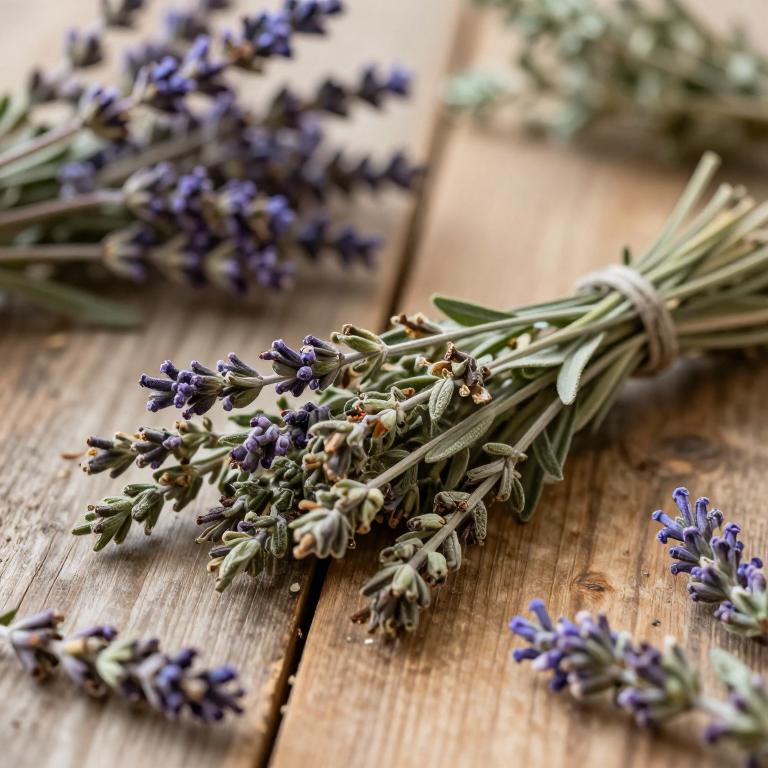
Salvia officinalis lavanduliifolia, scientifically known as Salvia officinalis subsp. lavandulifolia, is a unique subspecies of common sage distinguished by its narrow, lavender-like foliage. Renowned for its potent aromatic oils, this medicinal herb offers enhanced therapeutic properties, traditionally used to support digestive health, boost immunity, and soothe inflammation.
- Family
- Lamiaceae
- Native range
- Europe
- Parts used
- Seed
- Common names
- Salvia Officinalis Lavandulifolia
- Scientific synonyms
- Salvia Lavandulifolia Var. Adenostachys · Salvia Lavandulifolia Var. Pyrenaeorum · 20 more
Names and Synonyms
Common Names
- Salvia officinalis lavandulifolia
Scientific Names
Accepted name
Salvia officinalis subsp. lavandulifoliaSynonyms
- Salvia lavandulifolia var. adenostachys
- Salvia lavandulifolia var. pyrenaeorum
- Salvia lavandulifolia subsp. approximata
- Salvia lavandulifolia var. trichostachya
- Salvia officinalis f. lavandulifolia
- Salvia officinalis var. lavandulifolia
- Salvia officinalis var. trichostachya
- Salvia officinalis proles lavandulifolia
- Salvia officinalis var. hispanica
- Salvia officinalis f. adenostachys
- Salvia officinalis f. trichostachya
- Salvia tenuior
- Salvia lavandulifolia
- Salvia lavandulifolia subsp. pyrenaeorum
- Salvia rosmarinifolia
- Salvia hispanorum
- Salvia officinalis var. castellana
- Salvia officinalis var. hispanorum
- Salvia lavandulifolia var. approximata
- Salvia officinalis subvar. adenostachys
- Salvia officinalis var. adenostachys
- Salvia officinalis var. approximata
Regional and Traditional Names
German:
- Lavendelblättriger Salbei
- Salvia lavandulifolia
- Spanischer Salbei
French:
- sauge à feuilles de lavande
- Salvia officinalis lavandulifolia
- Salvia lavandulifolia
Sources: Wikidata
Taxonomical Classification
This plant belongs to the kingdom Plantae and the phylum Streptophyta, falling under the class Equisetopsida and subclass Magnoliidae. Within the order Lamiales and the family Lamiaceae, it is classified under the genus Salvia. Specifically, this medicinal variety is identified as Salvia officinalis subsp. lavandulifolia.
| Rank | Classification |
|---|---|
| Kingdom | Plantae |
| Phylum | Streptophyta |
| Class | Equisetopsida |
| Subclass | Magnoliidae |
| Order | Lamiales |
| Family | Lamiaceae |
| Genus | Salvia |
Sources: The World Checklist of Vascular Plants (WCVP)
Distribution
This plant, known as Salvia officinalis subsp. lavandulifolia, exhibits a very specific and limited natural range. Its geographical distribution is primarily concentrated within the region of Southwestern Europe. Specifically, this particular subspecies is native to the country of Spain. Within this territory, it thrives in the unique environmental conditions provided by the Mediterranean landscape. Consequently, its presence is a distinct characteristic of the Spanish botanical landscape.
| Region | Area |
|---|---|
| Southwestern Europe | Spain |
Sources: The World Checklist of Vascular Plants (WCVP)
Plant Parts
Salvia officinalis subsp. lavandulifolia has 1 reported plant parts identified across 1 scientific publications and several other databases that are studied for medicinal purposes. The most consistently reported plant part include seed.
| Plant part | Supporting sources | Consensus |
|---|---|---|
| Seed | 1 supporting sources | ★☆☆☆☆ |
Seed
- Antioxidants (Basel, Switzerland)
Chemicals
Salvia officinalis subsp. lavandulifolia has 13 reported phytochemicals identified across 1 scientific publications and several other databases. The most consistently reported chemicals include 1,8-Cineole, 1,8-Cineol, 3-HEXANOL, ALPHA-PINENE, BETA-CARYOPHYLLENE.
| Chemical | Supporting sources | Consensus |
|---|---|---|
| 1,8-Cineole | 2 supporting sources | ★☆☆☆☆ |
| 1,8-Cineol | 1 supporting sources | ★☆☆☆☆ |
| 3-HEXANOL | 1 supporting sources | ★☆☆☆☆ |
| ALPHA-PINENE | 1 supporting sources | ★☆☆☆☆ |
| BETA-CARYOPHYLLENE | 1 supporting sources | ★☆☆☆☆ |
| BETA-PINENE | 1 supporting sources | ★☆☆☆☆ |
| EOS | 1 supporting sources | ★☆☆☆☆ |
| Flavonoids | 1 supporting sources | ★☆☆☆☆ |
| ISOAMYL ACETATE | 1 supporting sources | ★☆☆☆☆ |
| LIMONENE | 1 supporting sources | ★☆☆☆☆ |
1,8-Cineole
- Pharmaceutical biology
- Journal of chromatography. A
1,8-Cineol
- Natural product communications
3-HEXANOL
- Journal of chromatography. A
ALPHA-PINENE
- Natural product communications
BETA-CARYOPHYLLENE
- Natural product communications
BETA-PINENE
- Natural product communications
EOS
- Chemistry & biodiversity
Flavonoids
- Journal of chromatographic science
ISOAMYL ACETATE
- Journal of chromatography. A
LIMONENE
- Natural product communications
Activities
Salvia officinalis subsp. lavandulifolia has 8 reported activities identified across 1 scientific publications and several other databases. The most consistently reported activities include Analgesic, Antibacterial, Antihyperglycemic, Antioxidant, Antiseptic.
| Activity | Supporting sources | Consensus |
|---|---|---|
| Analgesic | 1 supporting sources | ★☆☆☆☆ |
| Antibacterial | 1 supporting sources | ★☆☆☆☆ |
| Antihyperglycemic | 1 supporting sources | ★☆☆☆☆ |
| Antioxidant | 1 supporting sources | ★☆☆☆☆ |
| Antiseptic | 1 supporting sources | ★☆☆☆☆ |
| Cytoprotective | 1 supporting sources | ★☆☆☆☆ |
| Sedative | 1 supporting sources | ★☆☆☆☆ |
| Spasmolytic | 1 supporting sources | ★☆☆☆☆ |
Analgesic
- Pharmaceuticals (Basel, Switzerland)
Antibacterial
- Pharmaceuticals (Basel, Switzerland)
Antihyperglycemic
- Pharmaceuticals (Basel, Switzerland)
Antioxidant
- Pharmaceuticals (Basel, Switzerland)
Antiseptic
- Pharmaceuticals (Basel, Switzerland)
Cytoprotective
- Pharmaceutical biology
Sedative
- Pharmaceuticals (Basel, Switzerland)
Spasmolytic
- Pharmaceuticals (Basel, Switzerland)
Preparations
Salvia officinalis subsp. lavandulifolia has 3 reported preparations identified across 1 scientific publications and several other databases. The most consistently reported preparations include essential oils, phenolic acid extracts, seed oils.
| Preparation | Supporting sources | Consensus |
|---|---|---|
| Essential oils | 1 supporting sources | ★☆☆☆☆ |
| Phenolic acid extracts | 1 supporting sources | ★☆☆☆☆ |
| Seed oils | 1 supporting sources | ★☆☆☆☆ |
Essential oils
- Chemistry & biodiversity
Phenolic acid extracts
- Journal of chromatographic science
Seed oils
- Antioxidants (Basel, Switzerland)