Salvia dolomitica
Salvia dolomitica · Accepted scientific name
Scientific literature: Very Sparse (0 studies) · ★☆☆☆☆
Salvia dolomitica is a plant species that has gained scientific interest due to its potential therapeutic properties. Research focuses on evaluating the biological activity of its essential oils against various microbial threats. Specifically, these preparations are studied for their ability to inhibit the growth of pathogens such as Aspergillus flavus, Aspergillus niger, Candida albicans, and Escherichia coli. Understanding these antimicrobial effects is crucial for expanding the pharmacological applications of the species. This study aims to characterize the efficacy of Salvia dolomitica essential oils in managing these specific fungal and bacterial conditions.
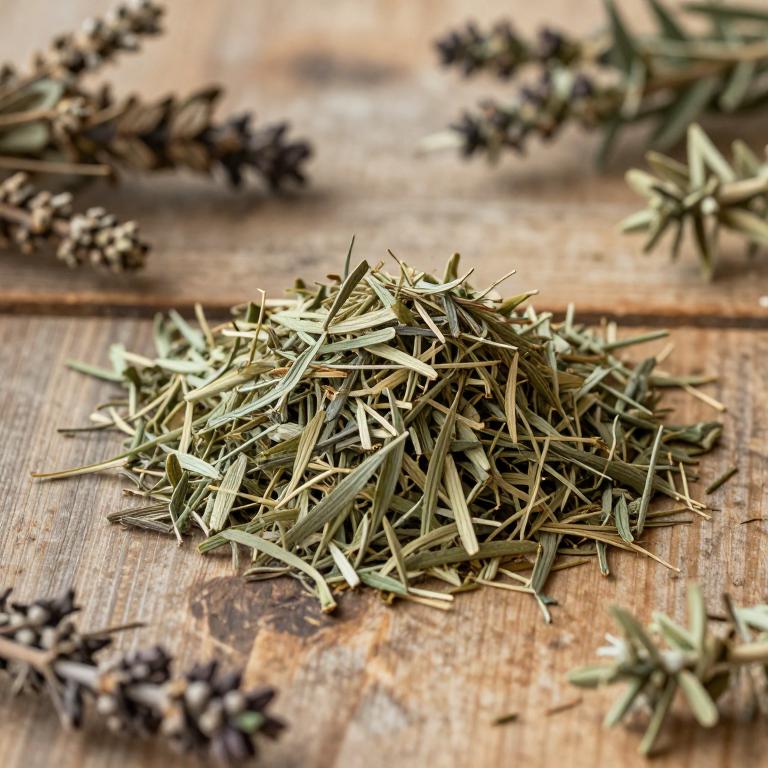
- Synonyms
- Not available
- Common names
- Not available
- Family
- Lamiaceae
- Distribution
- Not available
- Plant Parts
- Not available
Classification
Common Names
Salvia dolomitica is a fascinating botanical species known by several different names across various languages and regions. It is frequently referred to by its English common names, such as Dolomite Sage and South African sage. In different cultural contexts, you may also encounter it called Dolomiet salie or Dolomit Salbei. Even in Cyrillic script, the plant is recognized as Шалфей доломитовый. This diversity in naming highlights the wide geographical reach and varied recognition of this unique plant.
Sources: Catalogue of Life (COL)
Taxonomy
Salvia dolomitica is a unique organism that belongs to the kingdom Plantae. Within this vast botanical world, it is classified under the class Equisetopsida. This species is further organized into the order Lamiales, showcasing its specific evolutionary path. It resides within the family Lamiaceae, a group known for many distinct characteristics. Ultimately, this plant is a distinguished member of the genus Salvia.
| Rank | Classification |
|---|---|
| Kingdom | Plantae |
| Phylum | Streptophyta |
| Class | Equisetopsida |
| Subclass | Magnoliidae |
| Order | Lamiales |
| Family | Lamiaceae |
| Genus | Salvia |
Sources: The World Checklist of Vascular Plants (WCVP)
Distribution
Geographic Regions
Salvia dolomitica is a distinctive plant species native to the African continent. Its specific range is concentrated within the diverse landscapes of Southern Africa. More specifically, this species is found thriving throughout the Northern Provinces. This localized distribution highlights the unique ecological niche the plant occupies within its habitat. Understanding these geographic patterns is essential for studying its role in the regional ecosystem.
Sources: The World Checklist of Vascular Plants (WCVP)
Identification
Morphology
Salvia dolomitica is a self-supporting plant that takes on a distinct shrub-like growth form. This species typically reaches a maximum height of 2 meters as it matures. In most environments, it maintains a minimum height of approximately 1 meter. These structural characteristics make it a robust addition to any botanical collection.
Sources: Global Inventory of Floras and Traits (GIFT)
Biological Activities
Compounds
Conditions
Salvia dolomitica essential oils were tested for their efficacy against several specific pathogens, including the molds Aspergillus flavus and Aspergillus niger. The study also evaluated the plant's impact on the yeast species Candida albicans and Candida krusei. Furthermore, the antibacterial potential of the oil was assessed against Escherichia coli. While these specific relationships were investigated, the findings indicated that the oil lacks relevant antifungal or antibacterial activity when compared to conventional drugs.
Preparations
Salvia dolomitica is prepared as essential oils that are widely utilized within the cosmetic and perfume industries. These oils consist primarily of 1,8-cineole and β-caryophyllene as their main chemical constituents. Researchers analyzed the composition of these oils to test their effectiveness against various bacterial and fungal pathogens. Although the essential oils were evaluated against many clinical and environmental specimens, they demonstrated no significant antibacterial or antifungal activities compared to conventional drugs. The study focused on these specific preparations to understand their chemical profile and biological impact.