Salvia blancoana subsp. mesatlantica
Salvia blancoana subsp. mesatlantica · Accepted scientific name
Scientific literature: Very Sparse (5 studies) · ★☆☆☆☆
Salvia blancoana subsp. mesatlantica is a botanical species that holds significant potential for various therapeutic applications. Through the preparation of its essential oils and polyphenolic extract (PESB), researchers have identified key bioactive chemicals including camphor, flavonols, naringin, and vanillin. These components contribute to the plant's diverse pharmacological activities, specifically its antioxidant, antidiabetic, antihyperlipidemic, and antimicrobial properties. Experimental studies have demonstrated its efficacy in addressing conditions such as Diabetes Mellitus and providing defense against pathogens like Bacillus subtilis, Candida albicans, and Proteus mirabilis. Consequently, this subspecies represents a promising subject for the development of natural medicinal treatments.
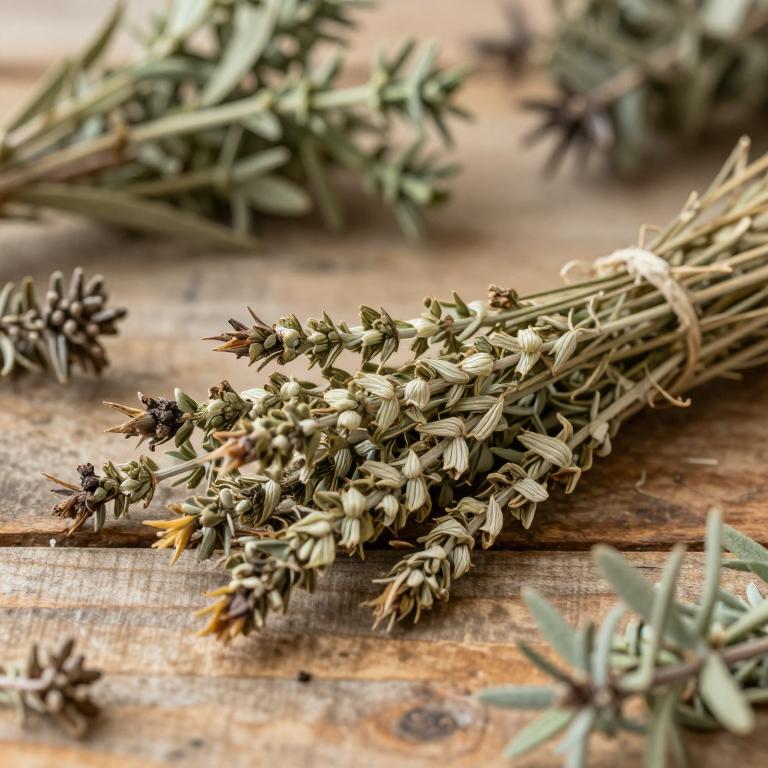
- Synonyms
- Salvia Blancoana Var. Mesatlantica · Salvia Aucheri Var. Mesatlantica · 1 more
- Common names
- Not available
- Family
- Lamiaceae
- Distribution
- Not available
- Plant Parts
- Not available
Classification
Synonyms
Salvia blancoana subsp. mesatlantica is a complex botanical taxon that is associated with several different scientific names. Within various taxonomic frameworks, it has been identified as the synonym Salvia aucheri var. mesatlantica. Additionally, this specific subspecies is frequently referred to as Salvia blancoana var. mesatlantica in older literature. It also shares a taxonomic connection with Salvia lavandulifolia subsp. mesatlantica. Understanding these shifting relationships is essential for accurate identification and botanical classification.
Sources: The World Checklist of Vascular Plants (WCVP)
Taxonomy
Salvia blancoana subsp. mesatlantica is a distinct botanical entity belonging to the vast kingdom Plantae. Within this kingdom, it is classified under the class Equisetopsida, marking its place among the flowering plants. The subspecies is a member of the order Lamiales, which helps define its specific structural characteristics. Furthermore, it falls under the Lamiaceae family, a group known for its diverse and aromatic species. Ultimately, this plant is defined by its membership in the prominent genus Salvia.
| Rank | Classification |
|---|---|
| Kingdom | Plantae |
| Phylum | Streptophyta |
| Class | Equisetopsida |
| Subclass | Magnoliidae |
| Order | Lamiales |
| Family | Lamiaceae |
| Genus | Salvia |
Sources: The World Checklist of Vascular Plants (WCVP)
Distribution
Geographic Regions
Salvia blancoana subsp. mesatlantica is a specialized botanical variety found within the diverse landscapes of Africa. Its primary geographical presence is concentrated throughout Northern Africa, where it adapts to specific regional climates. Within this vast territory, Morocco serves as a key location for its natural distribution. Understanding its range helps researchers better grasp the ecological niches this subspecies occupies. Consequently, this plant remains a notable element of the local flora in its native Moroccan habitats.
Sources: The World Checklist of Vascular Plants (WCVP)
Identification
Biological Activities
Salvia blancoana subsp. mesatlantica has demonstrated significant therapeutic potential through its diverse biological activities. Research indicates that its polyphenolic extracts possess strong antioxidant properties, effectively scavenging free radicals. Furthermore, the plant exhibits notable antidiabetic effects, such as reducing serum glucose and restoring insulin levels in animal models. It also provides antihyperlipidemic benefits, helping to stabilize lipid markers and support cardiovascular health. Finally, studies highlight its antimicrobial capabilities, suggesting its value in the ongoing development of natural medicinal compounds.
Compounds
Salvia blancoana subsp. mesatlantica is a medicinal plant characterized by a diverse profile of bioactive phytochemicals. Research indicates that this species contains various important compounds, including flavonols and camphor. Specifically, its polyphenolic extract is notably rich in naringin, which serves as the most dominant identified constituent. Additionally, the plant contains smaller amounts of vanillin among its recorded phenolic compounds. These combined chemical properties contribute to the plant's significant potential in managing therapeutic conditions like diabetes.
Conditions
Salvia blancoana subsp. mesatlantica exhibits significant antioxidant properties, specifically demonstrated through its DPPH free radical scavenging activity and its Ferric Reducing Antioxidant Power (FRAP). The essential oils of this plant also display potent antimicrobial effects against various microorganisms. Specifically, it treats the bacteria Bacillus subtilis and Proteus mirabilis, showing bactericidal activity even at low concentrations. Furthermore, the plant demonstrates effectiveness in treating the fungal pathogen Candida albicans at relatively higher concentrations.
Preparations
Salvia blancoana subsp. mesatlantica is utilized in various pharmaceutical preparations, such as the production of essential oils. These essential oils are specifically analyzed for their antioxidant and antimicrobial properties through in vitro and in silico methods. Additionally, Salvia blancoana subsp. mesatlantica is prepared as a polyphenolic extract known as PESB. This PESB extract is studied for its ability to manage type 2 diabetes by demonstrating significant antioxidant, antidiabetic, and antihyperlipidemic effects. Both the essential oils and the polyphenolic extract highlight the plant's potential for therapeutic discovery through its diverse bioactive compounds.