Salvia argentea
Salvia argentea · Accepted scientific name
Scientific literature: Very Sparse (1 studies) · ★☆☆☆☆
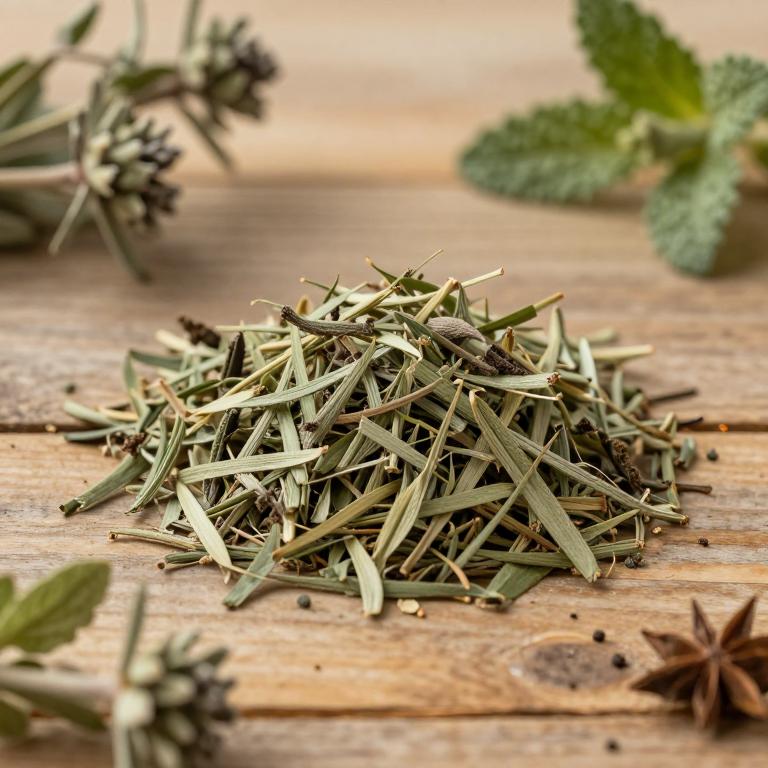
, scientifically known as Salvia argentea, is a remarkable medicinal plant valued for its unique therapeutic properties. Characterized by its striking silvery foliage, this species is traditionally used in various herbal remedies to promote wellness. Exploring its botanical characteristics and healing potential offers fascinating insights into natural pharmacology and ethnobotany.
- Family
- Not available
- Native range
- Europe
- Parts used
- Leaf
- Common names
- Not available
- Scientific synonyms
- Not available
Names and Synonyms
Scientific Names
Accepted name
Salvia argenteaDistribution
This plant exhibits a diverse geographical distribution across several distinct regions of Europe. In Middle Europe, its presence can be noted specifically within Germany. Its range extends into Southwestern Europe, where it is found in both Portugal and Spain. Furthermore, the species is also located in Southeastern Europe. Within this southeastern region, the plant is documented in both Albania and Bulgaria.
| Region | Area |
|---|---|
| Middle Europe | Germany |
| Southwestern Europe | Portugal |
| Southwestern Europe | Spain |
| Southeastern Europe | Albania |
| Southeastern Europe | Bulgaria |
| Southeastern Europe | Greece |
| Southeastern Europe | Italy |
| Southeastern Europe | Sicilia |
| Southeastern Europe | NW. Balkan Pen. |
| Northern Africa | Algeria |
Sources: The World Checklist of Vascular Plants (WCVP)
Botanical Identification
Life history
The life history of Salvia argentea is characterized by its status as a perennial plant, allowing it to persist through multiple growing seasons. In terms of its structural adaptation to environmental conditions and seasonal changes, it exhibits a hemicryptophyte life form, meaning its perennating buds are located at or just below the soil surface, protected by leaf litter or soil. This growth strategy enables the plant to survive periods of dormancy and re-emerge to continue its reproductive cycle over several years.
- Life form :
- hemicryptophyte
- Lifecycle :
- perennial
Morphology
The morphology of Salvia argentea is characterized by its classification as a non-woody, self-supporting herb, specifically functioning as a forb. It exhibits a terrestrial growth habit, existing as an independent organism rather than acting as a parasite or an epiphyte. The plant's structural development is entirely non-woody, maintaining a herbaceous form that thrives in terrestrial environments without the need for climbing or aquatic adaptations.
- Aquatic :
- terrestrial
- Climber :
- self-supporting
- Epiphyte :
- terrestrial
- Growth form :
- herb
- Growth form :
- forb
- Parasite :
- independent
- Woodiness :
- non-woody
Sources: Global Inventory of Floras and Traits (GIFT)
Plant Parts
Salvia argentea has 1 reported plant parts identified across 1 scientific publications and several other databases that are studied for medicinal purposes. The most consistently reported plant part include leaf.
| Plant part | Supporting sources | Consensus |
|---|---|---|
| Leaf | 1 supporting sources | ★☆☆☆☆ |
Leaf
- Journal of ethnopharmacology
Preparations
Salvia argentea has 1 reported preparations identified across 1 scientific publications and several other databases. The most consistently reported preparations include leaves.
| Preparation | Supporting sources | Consensus |
|---|---|---|
| Leaves | 1 supporting sources | ★☆☆☆☆ |
Leaves
- Journal of ethnopharmacology