Salvia absconditiflora
Salvia absconditiflora · Accepted scientific name
Scientific literature: Very Sparse (1 studies) · ★☆☆☆☆
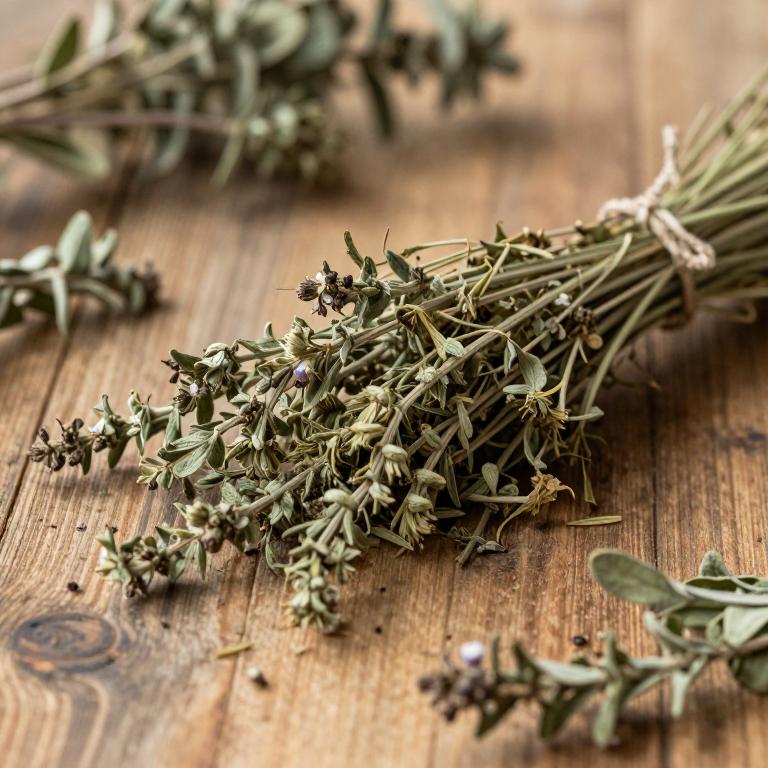
Salvia absconditiflora is a distinctive member of the Lamiaceae family known for its unique botanical characteristics. While often admired for its aesthetic value, this plant is increasingly studied for its significant medicinal potential. Research has specifically highlighted its impressive antiviral activities, offering hope for new therapeutic developments. Scientists are currently investigating how its chemical compounds can effectively combat various viral pathogens. Understanding these biological properties makes this species a vital subject in modern ethnobotanical studies.
- Synonyms
- Not available
- Common names
- Not available
- Family
- Not available
- Distribution
- Not available
- Plant Parts
- Not available
Classification
Common Names
Salvia absconditiflora is a unique species of sage that carries several distinctive regional names. It is widely recognized by the common name Kara Şalba in certain areas. Additionally, the plant is frequently referred to as Turkish Black Sage to highlight its botanical origins. These various labels help enthusiasts and researchers identify the plant across different linguistic landscapes. Understanding these relationships is essential for anyone studying the diverse naming conventions of Mediterranean flora.
Sources: Catalogue of Life (COL)
Distribution
Geographic Regions
Salvia absconditiflora is a distinctive species primarily distributed throughout the Asia-Temperate regions. Its natural presence is notably concentrated across the diverse landscapes of Western Asia. Within this geographic range, Türkiye serves as a key area where the plant can be found flourishing. This specific distribution highlights the environmental preferences that allow the species to thrive in these particular climates. Understanding these regional connections is essential for mapping the ecological footprint of the plant.
Sources: The World Checklist of Vascular Plants (WCVP)
Identification
Biological Activities
Salvia absconditiflora is not mentioned in the provided research regarding antiviral screening of Turkish plant extracts. The abstract specifically focuses on the medicinal potential of endemic flora such as Rindera lanata, Ballota macrodonta, and Salvia cryptantha. Among these, the methanolic extract of Rindera lanata demonstrated significant activity against human rotavirus. This particular extract showed a dose-dependent inhibitory effect and likely works by hampering virus penetration into cells. While the study identifies promising candidates for further drug development, it does not provide data concerning Salvia absconditiflora.
Compounds
Conditions
Salvia absconditiflora is not mentioned in the provided abstract as having any effect on human rotavirus. Instead, the research highlights that the methanolic extract of Rindera lanata shows significant antiviral activity against the virus. This specific plant extract demonstrated a dose-dependent inhibitory effect against three different human rotavirus strains. The study suggests that the R. lanata extract may work by hampering the virus's ability to penetrate cells. Consequently, R. lanata is identified as a promising source for discovering new anti-rotavirus compounds.