Salpianthus arenarius
Salpianthus arenarius · Accepted scientific name
Scientific literature: Very Sparse (0 studies) · ★☆☆☆☆
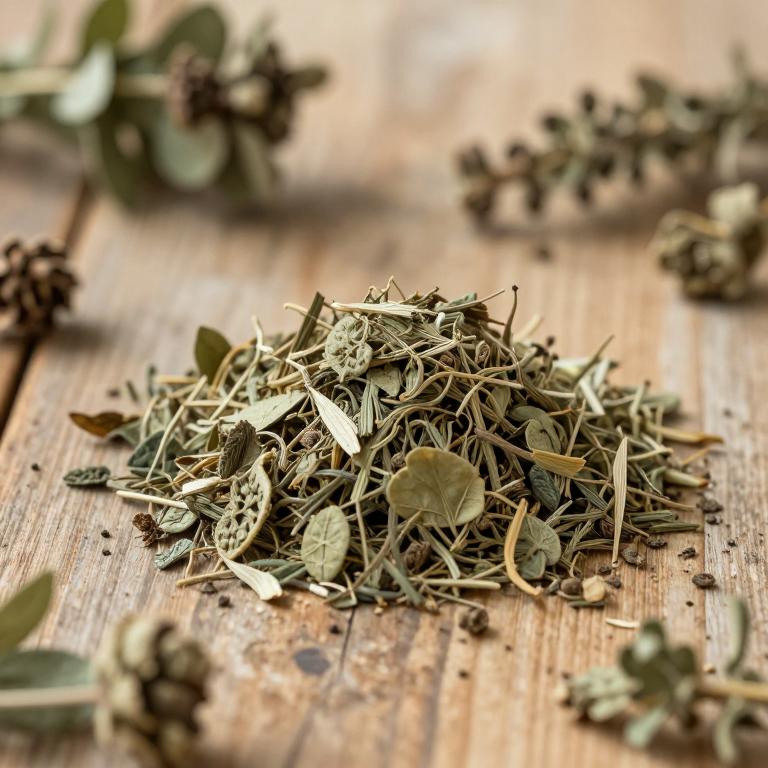
Salpianthus arenarius is a distinctive plant species known for its remarkable ability to thrive in harsh, sandy environments. While it may appear modest at first glance, its most striking feature is its delicate and intricate flower. These blooms serve as a vital component of the plant's reproductive cycle and visual identity. Observing the fine details of the flower reveals the specialized adaptations required for survival in coastal or arid habitats. Understanding this botanical specimen begins with a close look at these beautiful floral structures.
- Synonyms
- Boldoa Lanceolata
- Common names
- Not available
- Family
- Nyctaginaceae
- Distribution
- Southern America
- Plant Parts
- Flower
Classification
Common Names
Salpianthus arenarius is a distinctive plant that is recognized by several different regional identifiers. It is widely known by the common name hoja de lagarto, a name that reflects its unique physical characteristics. In other areas, local communities frequently refer to the species as susúcua. These various names highlight the diverse cultural connections people have with the plant across different landscapes. Understanding these common aliases is essential for anyone studying the botanical diversity of its natural habitat.
Sources: Catalogue of Life (COL)
Synonyms
Salpianthus arenarius is a botanical species that has undergone taxonomic reclassification over time. In many scientific databases, this plant is also recognized by its synonym, Boldoa lanceolata. Understanding these nomenclature shifts is essential for researchers tracking the plant's evolutionary history. By identifying both names, botanists can more accurately connect historical data to modern studies. This linguistic link ensures that information regarding its habitat and properties remains consistent across different literature.
Sources: The World Checklist of Vascular Plants (WCVP)
Taxonomy
Salpianthus arenarius is a unique botanical specimen that belongs to the vast kingdom Plantae. Within this kingdom, it is classified under the class Equisetopsida and the order Caryophyllales. The plant is a distinct member of the genus Salpianthus, showcasing specialized evolutionary traits. Furthermore, it is nested within the family Nyctaginaceae, which defines its structural characteristics. Understanding these taxonomic relationships provides essential insight into the biological identity of this species.
| Rank | Classification |
|---|---|
| Kingdom | Plantae |
| Phylum | Streptophyta |
| Class | Equisetopsida |
| Subclass | Magnoliidae |
| Order | Caryophyllales |
| Family | Nyctaginaceae |
| Genus | Salpianthus |
Sources: The World Checklist of Vascular Plants (WCVP)
Distribution
Geographic Regions
Salpianthus arenarius is a resilient plant species primarily distributed throughout the diverse landscapes of Northern America. Its range extends significantly into Mexico, where it occupies various ecological niches. Specifically, the plant can be found thriving across the central regions of Mexico. It also maintains a presence in the southeast, spreading through those distinct environments. Furthermore, its distribution reaches into the southwest, showcasing its ability to adapt to multiple Mexican territories.
Sources: The World Checklist of Vascular Plants (WCVP)
Identification
Morphology
Salpianthus arenarius grows in a distinct shrub form, establishing a sturdy presence within its habitat. This plant is entirely self-supporting, allowing it to maintain its structure without the need for external assistance.
Sources: Global Inventory of Floras and Traits (GIFT)
Biological Activities
Compounds
Conditions
Preparations
Parts used
Salpianthus arenarius serves as the biological source for the discovery of a unique chemical compound known as salpantiol. Researchers specifically utilized the flowers of this plant to isolate a new cyclitol with a distinct chemical structure. Once extracted, this cyclitol was tested for its various pharmacological effects on rat ileum tissue. The study revealed that the compound demonstrates significant parasympathomimetic activity during contractile tests. Consequently, the floral parts of this species provide essential material for understanding complex medicinal properties.