Salix uva-ursi
Salix uva-ursi · Accepted scientific name
Scientific literature: Very Sparse (0 studies) · ★☆☆☆☆
Salix uva-ursi is a botanical species frequently studied for its diverse range of bioactive secondary metabolites. Researchers often focus on this plant to isolate specific chemical compounds that exhibit significant therapeutic potential. Among the various methods used for substance recovery, the development of ethanolic extracts stands out as a primary technique. These alcohol-based preparations are highly effective at concentrating the plant's essential constituents for further analysis. Consequently, understanding the properties of these extracts is crucial for advancing modern pharmacological applications.
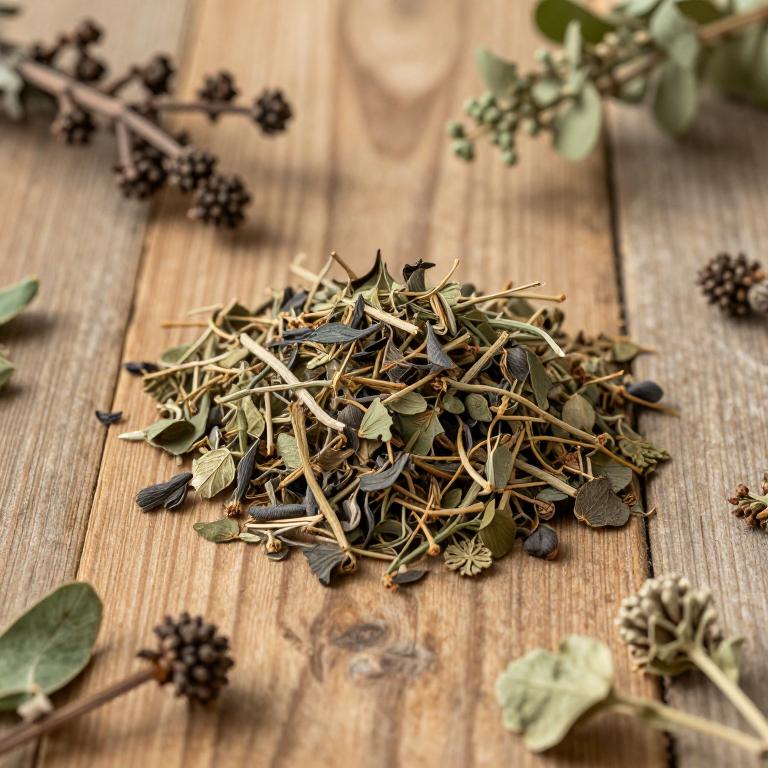
- Synonyms
- Not available
- Common names
- Not available
- Family
- Not available
- Distribution
- Not available
- Plant Parts
- Not available
Classification
Distribution
Identification
Biological Activities
Compounds
Salix uva-ursi is a plant species that has garnered scientific interest due to its potential for providing valuable bioactive compounds. Within the context of exploring new phenolic sources from the Western Balkan mountains, research has highlighted the importance of specific plant compositions. Although studies often focus on related species like Salix retusa, which is significantly rich in catechin, the chemical profile of the Salix genus remains a key area of investigation. Identifying such substances like catechin is essential for understanding the medicinal properties inherent in these botanical extracts. Ultimately, these findings emphasize the vast potential of utilizing such plants for sustainable bioactive resource development.
Conditions
Salix uva-ursi is not mentioned in the provided research regarding the antimicrobial properties of Balkan mountain plants. The study instead focuses on the bioactive compositions of Valeriana montana, Salix retusa, and Campanula hercegovina. While the leaf extracts of V. montana and C. hercegovina were found to treat all microbes tested, Salix uva-ursi was absent from these findings. Therefore, the specific claim regarding Salix uva-ursi cannot be verified through the given text. The abstracts do not provide any data to support the relationship involving Salix uva-ursi.
Preparations
Salix uva-ursi is not mentioned in the provided abstract as being prepared as ethanolic extracts. Instead, the text focuses on the phenolic composition and bioactivity of Valeriana montana, Salix retusa, and Campanula hercegovina. While Salix retusa is discussed in relation to its branches, bark, and ethanol-based extraction, Salix uva-ursi is entirely absent from this specific study. Therefore, no information regarding the ethanolic preparation of Salix uva-ursi can be derived from these abstracts. The research remains limited to the three specific species identified in the Western Balkan Mountains.