Salix aegyptiaca
Salix aegyptiaca · Accepted scientific name
Scientific literature: Very Sparse (7 studies) · ★☆☆☆☆
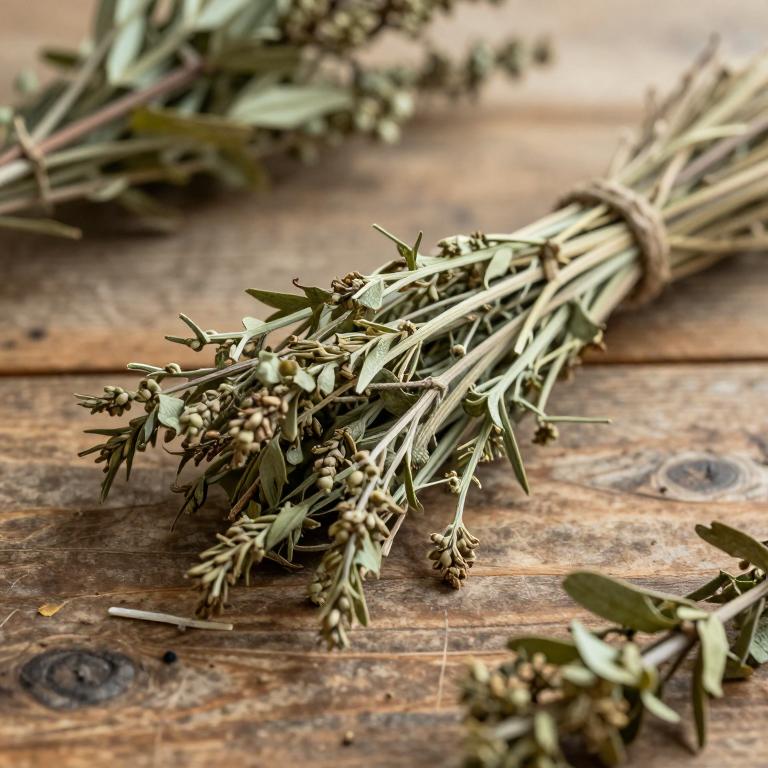
, scientifically known as Salix aegyptiaca, is a distinctive willow species valued for its therapeutic potential. Rich in natural salicin, this medicinal plant has historically been utilized to alleviate pain and reduce inflammation. Its unique chemical properties make it a subject of interest in traditional and modern pharmacological studies.
- Family
- Salicaceae
- Native range
- Europe
- Parts used
- Not available
- Common names
- Not available
- Scientific synonyms
- Salix Nitida · Salix Medemii · 1 more
Names and Synonyms
Scientific Names
Accepted name
Salix aegyptiacaSynonyms
- Salix nitida
- Salix medemii
- Salix cinerea var. medemii
Regional and Traditional Names
Spanish:
- Salix phlomoides
German:
- Persische Weide
- Ägyptische Weide
Sources: Wikidata, Catalogue of Life
Taxonomical Classification
This plant belongs to the kingdom Plantae and is classified within the phylum Streptophyta and the class Equisetopsida. As a member of the subclass Magnoliidae and the order Malpighiales, it is further categorized under the family Salicaceae. Finally, its taxonomic identity is defined by the genus Salix.
| Rank | Classification |
|---|---|
| Kingdom | Plantae |
| Phylum | Streptophyta |
| Class | Equisetopsida |
| Subclass | Magnoliidae |
| Order | Malpighiales |
| Family | Salicaceae |
| Genus | Salix |
Sources: The World Checklist of Vascular Plants (WCVP)
Distribution
This plant exhibits a broad geographical range that spans across several distinct regions of Eurasia. In Middle Europe, its presence can be identified within the borders of Germany. Moving toward Southeastern Europe, the species is also found growing in Greece. Its distribution extends significantly into Central Asia, where it inhabits the landscapes of Turkmenistan. Furthermore, the plant is well-established within the territories of both Tajikistan and Uzbekistan.
| Region | Area |
|---|---|
| Middle Europe | Germany |
| Southeastern Europe | Greece |
| Central Asia | Turkmenistan |
| Central Asia | Tadzhikistan |
| Central Asia | Uzbekistan |
| Caucasus | Transcaucasus |
| Western Asia | Afghanistan |
| Western Asia | Iran |
| Western Asia | Iraq |
| Western Asia | Türkiye |
Sources: The World Checklist of Vascular Plants (WCVP)
Botanical Identification
Ecology
The ecology of Salix aegypitaca is characterized by a specific altitudinal distribution and adaptable environmental preferences. This species typically thrives within an elevational range spanning from a minimum of 400 m AMSL to a maximum of 1000 m AMSL. While it naturally inhabits various ecological niches within this vertical gradient, it is also notably found in garden settings, demonstrating a level of resilience and suitability for managed landscapes.
- Elevational range max:
- 1000 m AMSL
- Elevational range min:
- 400 m AMSL
- Habitat :
- garden
Morphology
The morphology of Salix aegyptiaca is characterized by its growth form as a woody shrub, exhibiting a robust and self-supporting structure. It functions as an independent organism, neither acting as a parasite nor an epiphyte, maintaining a terrestrial lifestyle rather than an aquatic or semiaquatic existence. As a self-supporting plant, it lacks any climbing, liana, or vine-like tendencies, relying instead on its woody stems to maintain its upright stature within its habitat.
- Aquatic :
- terrestrial
- Climber :
- self-supporting
- Epiphyte :
- terrestrial
- Growth form :
- shrub
- Parasite :
- independent
- Woodiness :
- woody
Physiology
The physiology of Salix aegyptiaca is characterized by a specialized metabolic framework optimized for its specific environmental niche, most notably through its reliance on the C3 photosynthetic pathway. As a C3 plant, the carbon fixation process occurs directly within the mesophyll cells via the enzyme Rubisco, which incorporates atmospheric carbon dioxide into a three-carbon molecule, such as 3-phosphoglycerate. This pathway dictates the plant's gas exchange dynamics and water-use efficiency, necessitating a complex regulation of stomatal conductance to balance the intake of CO2 with the prevention of excessive transpirational water loss. The physiological efficiency of this C3 mechanism in Salix aegyptiaca influences its overall growth rate, biomass accumulation, and secondary metabolite production, all of which are tightly integrated with the plant's hydraulic conductance and enzymatic activity within the leaf tissue.
- Photosynthetic pathway :
- C3
Reproduction
The reproduction of Salix aegypteca is characterized by a specific seasonal flowering window that dictates its reproductive cycle. The flowering process begins in March, marking the onset of its reproductive activity, and continues through the spring until it concludes in April. Because environmental conditions can fluctuate, the overall flowering period is considered variable, though it consistently aligns with this early spring timeframe.
- Flowering time :
- Mar
- Flowering time :
- Apr
Sources: Global Inventory of Floras and Traits (GIFT)
Chemicals
Salix aegyptiaca has 4 reported phytochemicals identified across 0 scientific publications and several other databases. The most consistently reported chemicals include Gallic acid, RUTIN, quercetin, vanillin.
| Chemical | Supporting sources | Consensus |
|---|---|---|
| Gallic acid | 1 supporting sources | ★☆☆☆☆ |
| RUTIN | 1 supporting sources | ★☆☆☆☆ |
| quercetin | 1 supporting sources | ★☆☆☆☆ |
| vanillin | 1 supporting sources | ★☆☆☆☆ |
Gallic acid
- BMC complementary and alternative medicine
RUTIN
- BMC complementary and alternative medicine
quercetin
- BMC complementary and alternative medicine
vanillin
- BMC complementary and alternative medicine
Activities
Salix aegyptiaca has 1 reported activities identified across 0 scientific publications and several other databases. The most consistently reported activities include Antioxidant.
| Activity | Supporting sources | Consensus |
|---|---|---|
| Antioxidant | 1 supporting sources | ★☆☆☆☆ |
Antioxidant
- BMC complementary and alternative medicine
Conditions
Salix aegyptiaca has 2 reported investigations on conditions identified across 0 scientific publications and several other databases. The most consistently reported conditions include diabetes mellitus, lipid peroxidation.
| Condition | Supporting sources | Consensus |
|---|---|---|
| Diabetes mellitus | 1 supporting sources | ★☆☆☆☆ |
| Lipid peroxidation | 1 supporting sources | ★☆☆☆☆ |
Diabetes mellitus
- Journal of medicinal food
Lipid peroxidation
- BMC complementary and alternative medicine
Preparations
Salix aegyptiaca has 1 reported preparations identified across 0 scientific publications and several other databases. The most consistently reported preparations include Hydroethanolic extracts (80%).
| Preparation | Supporting sources | Consensus |
|---|---|---|
| Hydroethanolic extracts (80%) | 1 supporting sources | ★☆☆☆☆ |
Hydroethanolic extracts (80%)
- Journal of medicinal food