Salacia impressifolia
Salacia impressifolia · Accepted scientific name
Scientific literature: Very Sparse (0 studies) · ★☆☆☆☆
Salacia impressifolia is a significant medicinal plant widely recognized for its diverse therapeutic properties in traditional medicine. Research into its chemical composition has identified key bioactive compounds, most notably the potent antioxidant mangiferin. To investigate these biological activities, scientists frequently utilize methanol fractions to extract concentrated phytochemicals from the plant material. These extracts serve as a vital tool for understanding how the plant's components interact with various physiological systems. Consequently, studying this species provides valuable insights into developing new natural therapeutic agents.
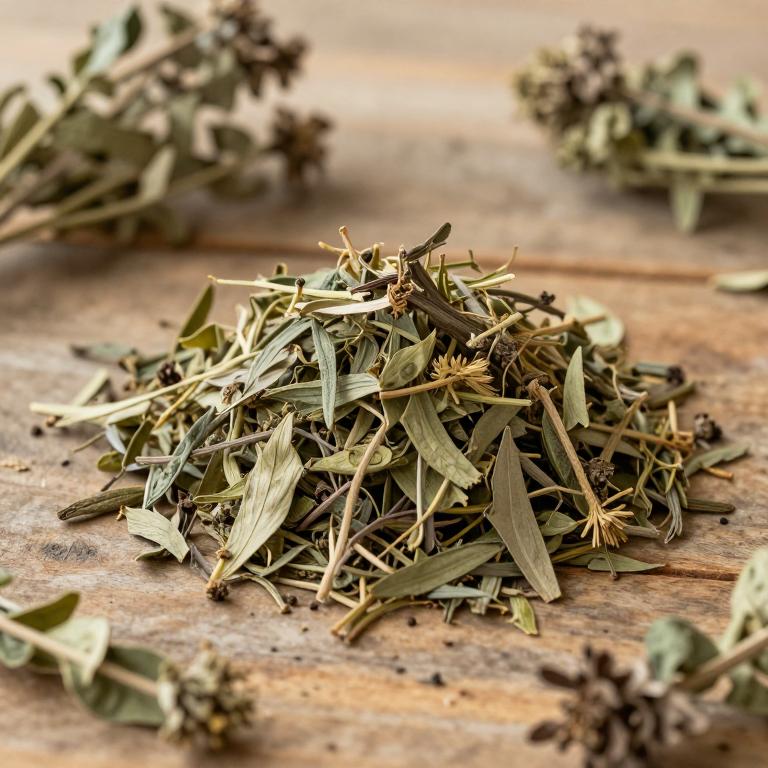
- Synonyms
- Raddia Grandiflora · Anthodon Grandiflorus · 4 more
- Common names
- Not available
- Family
- Celastraceae
- Distribution
- Not available
- Plant Parts
- Not available
Classification
Common Names
Salacia impressifolia is a botanical species known by a diverse array of regional monikers. Among its many identities, it is frequently referred to by the common names Bochecha-de-velho and Gogo. In certain areas, the plant is also recognized as Guapomó or more specifically as Guapomó del monte. Furthermore, the name Tengualala serves as another distinct identifier for this particular species. These varied names highlight the rich linguistic diversity associated with the plant across different cultures.
Sources: Catalogue of Life (COL)
Synonyms
Salacia impressifolia is a botanical species that has been identified under several different scientific names throughout history. Within taxonomic literature, it is recognized by the synonym Anthodon grandiflorus, reflecting its complex classification. The plant is also frequently associated with the names Pyramidostylium grandifolium and Raddia grandiflora. Further historical records link the species to the nomenclature of Raddia impressifolia. Finally, the name Salacia polyanthomaniaca serves as another important synonym for this diverse plant.
Sources: The World Checklist of Vascular Plants (WCVP)
Taxonomy
Salacia impressifolia is a distinguished member of the kingdom Plantae. Within this vast biological realm, the plant is classified under the class Equisetopsida. It belongs to the order Celastrales, which helps define its specific evolutionary lineage. Further narrowing its identity, the species is a part of the family Celastraceae. Finally, it is categorized under the genus Salacia, completing its botanical profile.
| Rank | Classification |
|---|---|
| Kingdom | Plantae |
| Phylum | Streptophyta |
| Class | Equisetopsida |
| Subclass | Magnoliidae |
| Order | Celastrales |
| Family | Celastraceae |
| Genus | Salacia |
Sources: The World Checklist of Vascular Plants (WCVP)
Distribution
Geographic Regions
Salacia impressifolia exhibits a broad geographical range that spans across multiple regions of the Americas. In North America, the species is widely distributed throughout various parts of Mexico, including the Central, Gulf, Southeast, and Southwest territories. This extensive presence in Mexico highlights the plant's ability to adapt to diverse environmental conditions within the country. Moving into South America, the species also finds a significant foothold within the northern regions of Brazil. Together, these locations illustrate a widespread distribution pattern that connects both northern and southern continental landscapes.
Sources: The World Checklist of Vascular Plants (WCVP)
Identification
Morphology
Salacia impressifolia is a distinctive tree species characterized by its obligatory climbing habit. This specialized growth form allows it to ascend toward the light, reaching a maximum height of approximately 8 meters. Such structural characteristics make it a unique component of its natural ecosystem.
Sources: Global Inventory of Floras and Traits (GIFT)
Biological Activities
Compounds
Conditions
Salacia impressifolia is recognized as a botanical source used in the preparation of miraruira, a medicinal product traditionally employed to treat diabetes. Scientific investigations into the chemical composition of this plant have identified specific markers such as mangiferin and epicatechin that help distinguish it from other species. Through the use of direct-injection mass spectrometry, researchers can verify the presence of these bioactive compounds essential for managing diabetes symptoms. While commercial samples often contain different species, the study confirms that Salacia impressifolia possesses a distinct profile linked to its therapeutic applications. Understanding these chemical markers is crucial for ensuring the authenticity and efficacy of treatments used for diabetes.
Preparations
Salacia impressifolia is prepared as methanol fractions to facilitate chemical profiling through direct-injection mass spectrometry. These specific fractions allow researchers to conduct chemometric analyses, such as principal component analysis, to verify the plant's botanical identity. By analyzing these methanol fractions, scientists can successfully identify key chemical markers like mangiferin. This preparation method is essential for distinguishing the species from other plants used in medicinal products. Consequently, the use of methanol fractions serves as a critical step in confirming the authenticity of the plant.