Sagittaria sagittifolia
Sagittaria sagittifolia · Accepted scientific name
Scientific literature: Very Sparse (0 studies) · ★☆☆☆☆
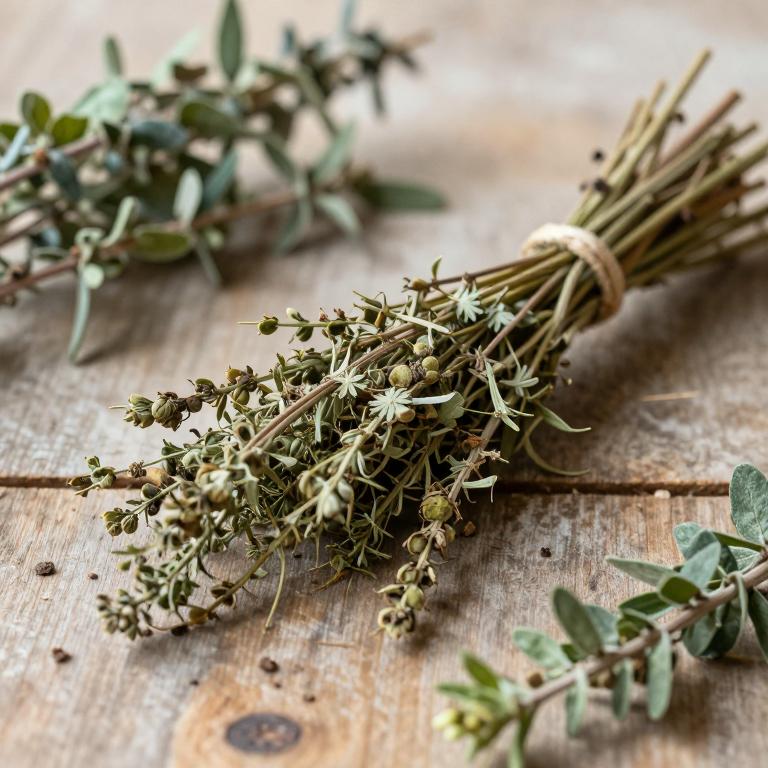
Sagittaria sagittifolia, commonly known as the arrowhead plant, is a distinctive aquatic species characterized by its unique arrow-shaped leaves. This perennial herb thrives in shallow waters and wetlands, where it plays a vital role in local aquatic ecosystems. The entire plant is often utilized in various traditional preparations due to its versatile biological properties. From its submerged foliage to its starchy tubers, every part of the organism offers unique characteristics for study. Understanding the full scope of this plant requires looking at the whole plant to appreciate its complex structure and utility.
- Synonyms
- Alisma Sagittaria · Sagittaria Heterophylla · 25 more
- Common names
- Not available
- Family
- Alismataceae
- Distribution
- Asia-Tropical
- Plant Parts
- Not available
Classification
Common Names
Sagittaria sagittifolia is a fascinating aquatic plant known by many different names across various languages and regions. In English-speaking areas, it is most frequently referred to by its common name, Arrowhead. Moving into German-speaking territories, the species is identified as Echtes Pfeilkraut. The plant also carries distinct regional names such as Almindelig pilblad and Erba saetta. Finally, in Portuguese contexts, it is widely recognized as Erva-frecha.
Sources: Catalogue of Life (COL)
Synonyms
Sagittaria sagittifolia is a plant species that has been documented under several different botanical names throughout history. Because of its taxonomic complexity, it is frequently referred to by the synonym Alisma sagittaria in various scientific texts. Researchers have also utilized the names Sagitta aquatica and Sagitta palustris when describing this specific aquatic vegetation. Furthermore, the plant is recognized by the designations Sagittaria acuminata and Sagittaria aquatica in different botanical contexts. Navigating these various synonyms is essential for anyone studying the diverse classification of this species.
Sources: The World Checklist of Vascular Plants (WCVP)
Taxonomy
Sagittaria sagittifolia is a fascinating aquatic species belonging to the kingdom Plantae. Within this vast biological realm, it is classified under the class Equisetopsida. It specifically falls under the order Alismatales, which highlights its unique evolutionary placement. Further narrowing its lineage, the plant is a member of the family Alismataceae. Ultimately, this species is defined by its placement within the genus Sagittaria.
| Rank | Classification |
|---|---|
| Kingdom | Plantae |
| Phylum | Streptophyta |
| Class | Equisetopsida |
| Subclass | Magnoliidae |
| Order | Alismatales |
| Family | Alismataceae |
| Genus | Sagittaria |
Sources: The World Checklist of Vascular Plants (WCVP)
Distribution
Geographic Regions
Sagittaria sagittifolia is a resilient species with a broad distribution spanning several regions across Asia-Temperate. Its presence is well-documented throughout the Caucasus and the Transcaucasus, highlighting its adaptability to these specific environments. The plant also extends its reach into Central Asia, specifically flourishing within the borders of Kazakhstan. Moving further north, it can be found inhabiting the vast landscapes of Siberia, including the Altay region. Additionally, its range encompasses the Krasnoyarsk area, cementing its status as a significant component of the regional flora.
Sources: The World Checklist of Vascular Plants (WCVP)
Identification
Morphology
Sagittaria sagittifolia is a self-supporting herb characterized by its distinct growth form. This plant typically reaches a maximum height of 1 meter as it matures in its natural habitat. Depending on environmental conditions, its stature can vary significantly, sometimes measuring as little as 0.1 meters. In many instances, the plant establishes a more substantial presence with a minimum height of approximately 0.42 meters. These varying dimensions highlight the adaptability of this species within its ecosystem.
Sources: Global Inventory of Floras and Traits (GIFT)
Biological Activities
Compounds
Conditions
Sagittaria sagittifolia contains specific diterpenoids that demonstrate significant antibacterial activity against key oral pathogens. These plant-derived compounds, specifically sagittines A-G and a labdane diterpene, effectively treat Streptococcus mutans ATCC 25175. Furthermore, the extracts from this plant show a capacity to treat Actinomyces naeslundiis ATCC 12104. Research indicates that compounds 1-4 are effective against both of these specific bacterial strains. Certain individual compounds, such as compound 5, even show targeted activity specifically against A. naeslundiis ATCC 12104.
Preparations
Sagittaria sagittifolia is prepared as a whole plant to facilitate the isolation of various chemical compounds. Researchers utilized the entire plant to extract seven new ent-rosane diterpenoids known as sagittines A-G. This process also yielded a new labdane diterpene through the examination of the whole specimen. These isolated substances were then characterized using spectroscopic means and X-ray crystallography. Ultimately, the compounds derived from the whole plant demonstrated specific antibacterial activities against oral pathogens.