Sacosperma paniculatum
Sacosperma paniculatum · Accepted scientific name
Scientific literature: Very Sparse (0 studies) · ★☆☆☆☆
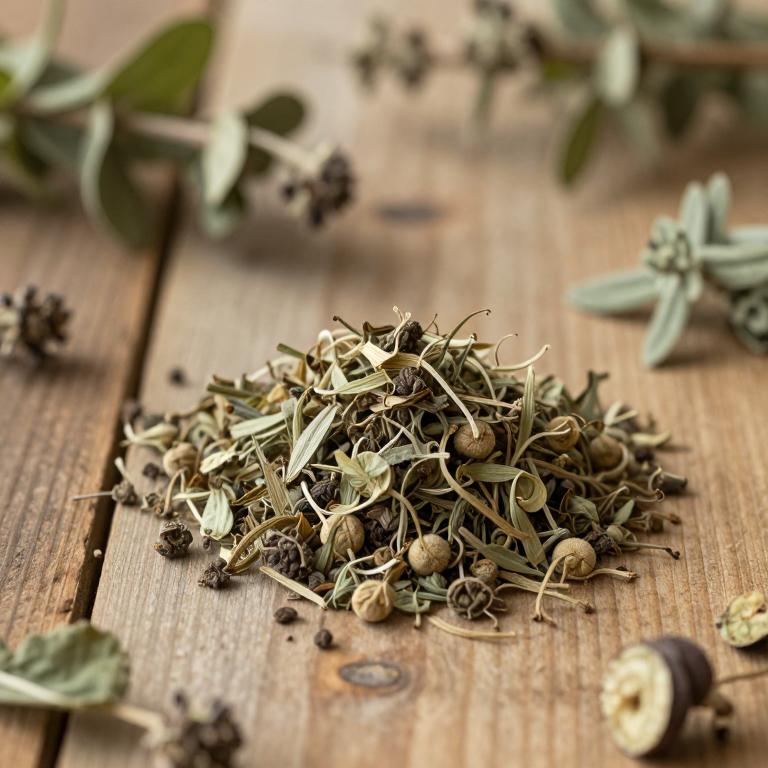
Sacosperma paniculatum is a botanical species that has garnered significant interest within the field of pharmacological research. Recent investigations have focused specifically on the potential therapeutic benefits derived from its plant hydroethanolic extracts. These specialized preparations are designed to isolate bioactive compounds that may exhibit various biological activities. By utilizing ethanol and water as solvents, researchers aim to optimize the extraction of these essential phytochemicals. Understanding the chemical profile of these extracts is a crucial step toward uncovering the medicinal value of this plant.
- Synonyms
- Oldenlandia Peltospermum · Peltospermum Paniculatum · 1 more
- Common names
- Not available
- Family
- Rubiaceae
- Distribution
- Not available
- Plant Parts
- Not available
Classification
Synonyms
Sacosperma paniculatum is a botanical species that is recognized under several different scientific names within various taxonomic frameworks. It is frequently identified by the synonym Oldenlandia peltospermum, reflecting historical shifts in classification. Additionally, the plant is known as Peltospermum paniculatum, a name that underscores its complex nomenclatural history. The species also encompasses the specific variety Sacosperma paniculatum var. pubescens, which highlights its morphological diversity. Understanding these various synonyms is essential for researchers tracking the plant's identity across different biological databases.
Sources: The World Checklist of Vascular Plants (WCVP)
Taxonomy
Sacosperma paniculatum is a fascinating botanical specimen that belongs to the kingdom Plantae. Within this vast biological group, the species is classified under the class Equisetopsida. It is further organized into the order Gentianales, which helps scientists understand its evolutionary placement. This plant is a representative member of the genus Sacosperma. Finally, its specific lineage places it firmly within the diverse Rubiaceae family.
| Rank | Classification |
|---|---|
| Kingdom | Plantae |
| Phylum | Streptophyta |
| Class | Equisetopsida |
| Subclass | Magnoliidae |
| Order | Gentianales |
| Family | Rubiaceae |
| Genus | Sacosperma |
Sources: The World Checklist of Vascular Plants (WCVP)
Distribution
Geographic Regions
Sacosperma paniculatum is a plant species with a significant presence across the African continent. Its distribution extends deep into South Tropical Africa, including the nation of Angola. Moving toward the western coast, the species is also widely found throughout West Tropical Africa. Specifically, it thrives in several key countries such as Benin, Ghana, and Guinea. Furthermore, its reach continues through the region into Guinea-Bissau, establishing a broad ecological footprint.
Sources: The World Checklist of Vascular Plants (WCVP)
Identification
Morphology
Sacosperma paniculatum is a shrub characterized by its distinct obligatory climbing habit. This climbing species is capable of reaching a maximum height of approximately 4.57 meters. As it grows, it relies on its specialized form to ascend through its natural environment.
Sources: Global Inventory of Floras and Traits (GIFT)
Biological Activities
Compounds
Conditions
Sacosperma paniculatum exhibits significant neuroprotective potential through its ability to treat AD-oxytosis in hippocampal nerve cells. The plant also demonstrates efficacy in treating in vitro ischemia and successfully treats the inhibition of microglial inflammation. Furthermore, its bioactive components help treat intracellular amyloid toxicity. Finally, Sacosperma paniculatum assists in the biological processes that treat nerve cell differentiation.
Preparations
Sacosperma paniculatum is prepared as plant hydroethanolic extracts for use in specialized medicinal research. These specific extracts were subjected to a phenotypic, cell-based screening approach to identify neuroprotective compounds. The testing focused on how these preparations might address various neurotoxicity pathways relevant to Alzheimer's disease. By utilizing hydroethanolic extracts, researchers aimed to evaluate biological activities such as the inhibition of microglial inflammation. This preparation method allows for the screening of natural compounds within the plant for potential therapeutic applications.