Sabdariffa acetosella
Sabdariffa acetosella · Accepted scientific name
Scientific literature: Very Sparse (1 studies) · ★☆☆☆☆
Sabdariffa acetosella is a botanical species recognized for its diverse therapeutic potential in traditional medicine. Scientific studies have highlighted its significant antigenotoxic activities, suggesting a role in protecting cells from genetic damage. When prepared as a concentrated leaf extract, this plant serves as a versatile remedy for various ailments. It is commonly utilized to help manage conditions such as abscesses, conjunctivitis, fever, and hemorrhoids. Consequently, this plant remains a subject of interest for those exploring natural approaches to health management.
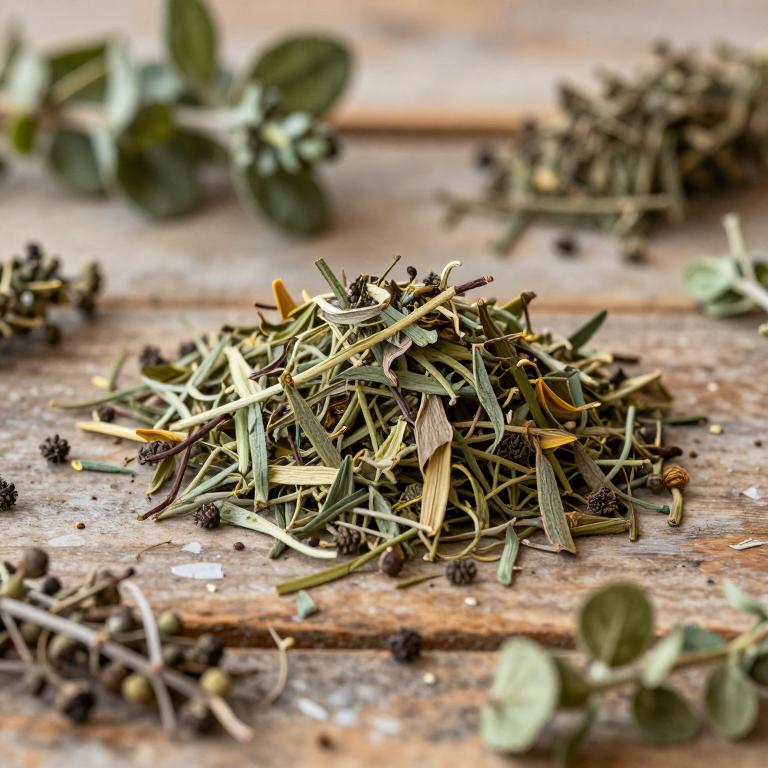
- Synonyms
- Hibiscus Eetveldeanus · Hibiscus Acetosella
- Common names
- Not available
- Family
- Malvaceae
- Distribution
- Northern America
- Plant Parts
- Leaf
Classification
Common Names
Sabdariffa acetosella is a versatile plant known by a wide array of regional and descriptive names. It is frequently referred to as the African rosemallow or the cranberry hibiscus due to its distinct characteristics. In various locales, you may also encounter it called the false roselle. Some traditional naming conventions include the terms punalehine hibisk and verihibiskus. This diversity in nomenclature reflects the plant's widespread presence across different cultures and environments.
Sources: Catalogue of Life (COL)
Synonyms
Sabdariffa acetosella is a plant known by several different botanical names within the scientific community. It is officially recognized as having the synonym Hibiscus acetosella, a designation that highlights its classification within the broader hibiscus genus. Furthermore, this species is also linked to the synonym Hibiscus eetveldeanus. Understanding these overlapping names is essential for researchers tracking the plant's lineage and characteristics. Navigating these taxonomic relationships ensures clarity when studying this specific variety in various botanical contexts.
Sources: The World Checklist of Vascular Plants (WCVP)
Taxonomy
Sabdariffa acetosella belongs to the vast kingdom Plantae, marking its place among the diverse world of green life. Within this kingdom, it is classified under the class Equisetopsida, showcasing its fundamental botanical structure. The species is further categorized into the order Malvales, a group that highlights its evolutionary lineage. It holds a specific position within the genus Sabdariffa, distinguishing it from other similar plants. Finally, its membership in the family Malvaceae connects it to a broad and well-known group of flowering plants.
| Rank | Classification |
|---|---|
| Kingdom | Plantae |
| Phylum | Streptophyta |
| Class | Equisetopsida |
| Subclass | Magnoliidae |
| Order | Malvales |
| Family | Malvaceae |
| Genus | Sabdariffa |
Sources: The World Checklist of Vascular Plants (WCVP)
Distribution
Geographic Regions
Sabdariffa acetosella is a plant species characterized by a wide and diverse distribution across the African continent. Within East Tropical Africa, it can be found growing in the landscapes of both Kenya and Tanzania. Its presence extends into Northeast Tropical Africa, where it inhabits the regions of Somalia and the areas encompassing Sudan and South Sudan. Furthermore, the species reaches into South Tropical Africa, establishing itself within the borders of Angola. This broad geographic range highlights the plant's ability to adapt to various tropical environments throughout the continent.
Sources: The World Checklist of Vascular Plants (WCVP)
Identification
Biological Activities
Sabdariffa acetosella demonstrates significant antigenotoxic activity, offering protection against DNA damage caused by alkylating agents. In recent studies involving mouse models, extracts of this plant were shown to mitigate the harmful effects of methyl methanesulfonate. The effectiveness of these extracts is linked to the presence of various phenolic compounds, including caffeic acid and gallic acid. Experimental results from comet and micronucleus assays confirmed that pretreatment with the extract dose-dependently reduced genotoxicity. Ultimately, these findings suggest that the plant serves as a potent natural defense against mutagenic processes.
Compounds
Conditions
Sabdariffa acetosella, also known as Hibiscus acetosella, exhibits significant therapeutic potential by treating NDM-1 producing Escherichia coli IR-6 through bactericidal activity and synergistic effects with antibiotics. In folk medicine, this plant is utilized to treat various ailments, including abscesses and conjunctivitis. It also serves as a remedy to alleviate fever and associated pain. Furthermore, the extract provides protective effects against DNA damage induced by alkylating agents in animal models.
Preparations
Sabdariffa acetosella is prepared as an extract to investigate its potential antigenotoxic and antimutagenic properties. Researchers utilized high-performance liquid chromatography to identify various phenolic compounds, such as caffeic and gallic acids, within these prepared extracts. Once the plant material was processed into an extract, it was administered to mice to evaluate its protective effects against DNA damage. The study demonstrated that the application of the H. acetosella extract significantly decreased mutagenicity induced by alkylating agents. Ultimately, the preparation of this plant into an extract served as the primary method for delivering its dose-dependent protective benefits in vivo.
Parts used
Sabdariffa acetosella is a tropical plant recognized for its significant dietary and medicinal value across various global regions. In many cultures, the young leaves of this species are consumed as green vegetables to support general health. Beyond their nutritional role, these leaves are utilized in folk medicine to alleviate conditions such as fever, pain, and inflammation. Recent scientific investigations have focused on extracting bioactive compounds from these leaves to study their antioxidant properties. Specifically, aqueous extracts of the plant have shown a concentration-dependent ability to inhibit the production of reactive oxygen species.