Cabbage Palm (Sabal Serrulata)
Information Reliability Score: 5/10
This score reflects the overall reliability of the information presented in this article. It is based on the quality of scientific evidence, accuracy of sources, and the transparency of references related to Sabal serrulata.
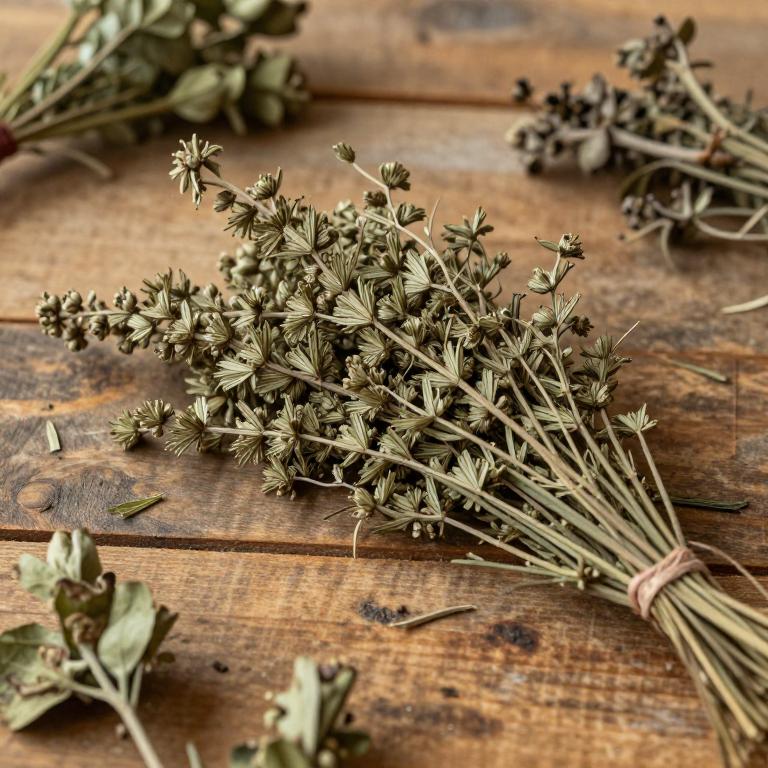
Cabbage Palm, scientifically known as Sabal serrulata, is a hardy medicinal herb native to the southern United States and the Caribbean, valued for its unique properties and historical significance.
It is traditionally used as an adaptogen to help the body manage stress and promote overall vitality, while its leaves and seeds contain compounds that may support digestive and respiratory health. In traditional medicine, particularly among Native American communities, the Cabbage Palm has been used to treat ailments such as coughs, colds, and skin irritations, with its leaves often brewed into teas or poultices. Modern wellness applications include its use in herbal supplements and topical preparations for its anti-inflammatory and antimicrobial properties.
This palm is also noted for its distinctive, slightly bitter flavor and the presence of unique compounds like sabalin, which have sparked interest in its potential for contemporary therapeutic applications.
Table of Contents
Scientific and Botanical Profile
Cabbage Palm, with botanical name Sabal serrulata, is a member of the Arecaceae family, commonly known as the palm family.
It is also referred to by several common names including Cabbage Tree, Sabal Palm, Cabbage Palmetto, and Smoothleaf Palmetto, among others. Native to the southeastern United States, particularly Florida and the lower Mississippi Valley, this species thrives in wetland and swampy environments. Morphologically, it is a small, slow-growing palm with a short, stout trunk and a dense crown of feather-like leaves that are often dark green and slightly serrated.
Its distinctive appearance and ecological importance make it a notable species in both botanical studies and local ecosystems.
History and Cultural Relevance
Cabbage Palm was used by Indigenous peoples of the southeastern United States, such as the Seminole and Creek tribes, for centuries as a vital resource for food, construction, and medicine.
The palm's fibrous leaves were woven into mats, baskets, and clothing, while its edible fruit provided nourishment during times of scarcity. In traditional medicine, the sap of the Cabbage Palm was employed to treat ailments such as skin infections, wounds, and digestive issues, with its antiseptic properties valued for their healing potential. The plant also held cultural significance in various rituals and ceremonies, symbolizing resilience and spiritual connection to the land.
Today, its traditional remedies continue to influence modern herbal practices, with its sap still used in some communities for its purported anti-inflammatory and healing benefits.
Chemical Composition and Nutritional Profile
Cabbage Palm contains a variety of bioactive compounds, including alkaloids, flavonoids, essential oils, and terpenes, which contribute to its medicinal properties.
It is also rich in vitamins such as vitamin A, C, and E, along with minerals like potassium, magnesium, and calcium, making it a nutrient-dense plant. The presence of antioxidants, particularly polyphenols, helps neutralize free radicals and reduce oxidative stress in the body. These compounds work synergistically to support immune function, reduce inflammation, and promote overall cellular health.
The combination of its chemical composition and nutritional profile suggests potential therapeutic applications in various health conditions.
Medicinal Properties and Health Benefits
Sabal serrulata has been traditionally used for its potent medicinal properties, particularly in supporting the musculoskeletal system by promoting joint health and reducing inflammation.
It is known to enhance mobility and alleviate symptoms of arthritis and osteoarthritis due to its high concentration of compounds like steroidal saponins and triterpenes. Compared to similar herbs such as green tea or turmeric, Sabal serrulata offers a more targeted approach to joint support, with research suggesting it may be more potent in reducing inflammatory markers. Additionally, it supports the nervous system by improving cognitive function and may help with conditions like memory loss and neurodegenerative disorders.
Its unique combination of bioactive compounds sets it apart as a powerful herbal remedy for both joint and neurological health.
Discover the 10 best health benefits of Cabbage Palm.
Forms, Preparation and Usage
Sabal serrulata has been traditionally used for its medicinal properties, and it is available in various forms including fresh leaves, dried tincture, powder, essential oil, and capsule.
To prepare it, one can make a tea by steeping dried leaves in hot water, or a decoction by boiling the plant material for a longer period. It can also be used topically in the form of a poultice or infused oil for skin applications. The recommended dosage for adults is typically 1-2 capsules or 1-2 tablespoons of the powder daily, while children should only use it under medical supervision if deemed safe.
Due to the lack of standardized guidelines, it is advisable to use sabal serrulata sparingly and for short durations, consulting a healthcare professional before prolonged use.
Safety, Side Effects and Contraindications
Sabal serrulata can be used as a medicinal plant for its potential effects on the urinary tract, but it is important to consider its safety profile.
While generally considered safe when used in recommended doses, it may cause side effects such as nausea, vomiting, diarrhea, and stomach cramps. It may also interact with certain medications, including diuretics and anticoagulants, potentially increasing their effects or causing adverse reactions. Pregnant and breastfeeding women should avoid using Sabal serrulata due to the risk of harm to the fetus or infant, as well as the lack of sufficient safety data. Individuals with chronic illnesses, particularly those affecting the kidneys or urinary system, should consult a healthcare provider before use.
To ensure safe use, it is advisable to follow recommended dosages, consult a healthcare professional, and monitor for any adverse reactions.
Growing, Harvesting and Storage
Sabal serrulata grows in well-drained sandy or loamy soils in full sun to partial shade, preferring warm, humid climates with consistent moisture.
It thrives in USDA hardiness zones 7-10, where it can reach heights of up to 10 feet, producing clusters of small, spiny fruits that mature in late summer. For optimal growth, regular watering is necessary during the growing season, but the plant should be allowed to dry out slightly between waterings to prevent root rot. Pruning dead or diseased branches and mulching around the base can promote healthy growth and deter pests. Harvesting occurs when the fruits turn a deep red or purple, typically in late summer to early fall, using clean, sharp tools to avoid damaging the plant.
After harvesting, the fruits should be dried in a cool, shaded area with good air circulation to preserve their medicinal potency, then stored in airtight containers in a cool, dark place or refrigerated for extended shelf life.