the sorrel genus
Rumex · Accepted scientific name
Scientific literature: Very Sparse (27 studies) · ★☆☆☆☆
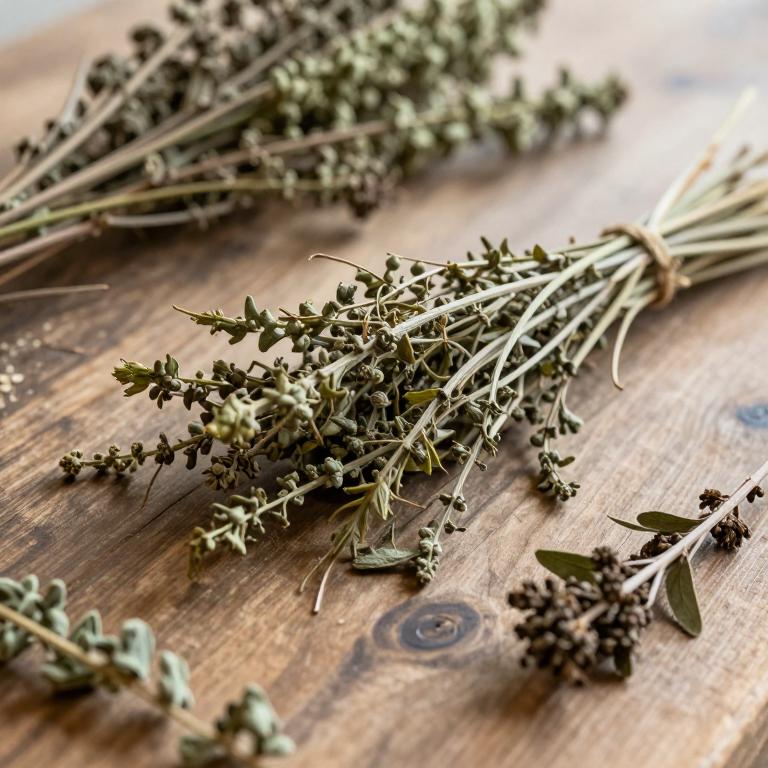
The sorrel genus, scientifically known as Rumex, is a diverse group of perennial herbs valued for their medicinal and culinary properties. Often found in wetlands, these plants contain oxalic acid and tannins. They are traditionally used to treat digestive issues, reduce inflammation, and support kidney health through their astringent qualities.
Names and Synonyms
Common Names
- dock
- sorrel
- docks and sorrels
Scientific Names
Accepted name
RumexSynonyms
- Acetosella
- Analiton
- Patientia
- Menophyla
- Vibones
- Vibo
- Oxylapathon
- Atecosa
- Nemolapathum
- Steinmannia
- Lapathon
- Tomaris
- Rhodoptera
- Acetosa
- Lapathum
- Centopodium
- Podocentrum
- Emex
- Bucephalophora
- Eutralia
Regional and Traditional Names
Spanish:
- Romazas y parientes
German:
- Ampfer
French:
- oseille
- Oseille
- oseille commune
- grande oseille
- oseilles et patiences
Sources: Wikidata, Catalogue of Life
Taxonomical Classification
This plant belongs to the kingdom Plantae within the phylum Streptophyta and the class Equisetopsida. As a member of the subclass Magnoliidae and the order Caryophyllales, it is classified under the family Polygonaceae. It is specifically identified by the genus Rumex.
| Rank | Classification |
|---|---|
| Kingdom | Plantae |
| Phylum | Streptophyta |
| Class | Equisetopsida |
| Subclass | Magnoliidae |
| Order | Caryophyllales |
| Family | Polygonaceae |
| Genus | Rumex |
Sources: The World Checklist of Vascular Plants (WCVP)
Distribution
This plant exhibits a specific geographical distribution across several regions in Northern Europe. It can be found growing in the coastal and inland areas of Denmark. Its presence is also well-documented throughout the landscapes of Finland. Furthermore, the species inhabits the unique environments of the Føroyaar islands. Finally, its range extends to the rugged terrains of both Great Britain and Iceland.
| Region | Area |
|---|---|
| Northern Europe | Denmark |
| Northern Europe | Finland |
| Northern Europe | Føroyar |
| Northern Europe | Great Britain |
| Northern Europe | Iceland |
| Northern Europe | Ireland |
| Northern Europe | Norway |
| Northern Europe | Svalbard |
| Northern Europe | Sweden |
| Middle Europe | Austria |
Sources: The World Checklist of Vascular Plants (WCVP)
Plant Parts
Rumex has 2 reported plant parts identified across 2 scientific publications and several other databases that are studied for medicinal purposes. The most consistently reported plant part include leaf, root.
| Plant part | Supporting sources | Consensus |
|---|---|---|
| Leaf | 1 supporting sources | ★☆☆☆☆ |
| Root | 1 supporting sources | ★☆☆☆☆ |
Leaf
- Journal of ethnopharmacology
Root
- Journal of ethnopharmacology
Chemicals
Rumex has 10 reported phytochemicals identified across 2 scientific publications and several other databases. The most consistently reported chemicals include Anthraquinones, Carotenoids, Flavonoids, Nepodin, Quercetin 3-O-glucoside.
| Chemical | Supporting sources | Consensus |
|---|---|---|
| Anthraquinones | 1 supporting sources | ★☆☆☆☆ |
| Carotenoids | 1 supporting sources | ★☆☆☆☆ |
| Flavonoids | 1 supporting sources | ★☆☆☆☆ |
| Nepodin | 1 supporting sources | ★☆☆☆☆ |
| Quercetin 3-O-glucoside | 1 supporting sources | ★☆☆☆☆ |
| Torachrysone | 1 supporting sources | ★☆☆☆☆ |
| Triterpenes | 1 supporting sources | ★☆☆☆☆ |
| emodin | 1 supporting sources | ★☆☆☆☆ |
| oxalic acid | 1 supporting sources | ★☆☆☆☆ |
| trans-resveratrol | 1 supporting sources | ★☆☆☆☆ |
Anthraquinones
- Journal of ethnopharmacology
Carotenoids
- Journal of ethnopharmacology
Flavonoids
- Journal of ethnopharmacology
Nepodin
- Journal of ethnopharmacology
Quercetin 3-O-glucoside
- Journal of ethnopharmacology
Torachrysone
- Journal of ethnopharmacology
Triterpenes
- Journal of ethnopharmacology
emodin
- Journal of ethnopharmacology
oxalic acid
- Journal of ethnopharmacology
trans-resveratrol
- Journal of ethnopharmacology
Activities
Rumex has 6 reported activities identified across 2 scientific publications and several other databases. The most consistently reported activities include Analgesic, Antidiabetic, Antihypertensive, Antiviral, Diuretic.
| Activity | Supporting sources | Consensus |
|---|---|---|
| Analgesic | 1 supporting sources | ★☆☆☆☆ |
| Antidiabetic | 1 supporting sources | ★☆☆☆☆ |
| Antihypertensive | 1 supporting sources | ★☆☆☆☆ |
| Antiviral | 1 supporting sources | ★☆☆☆☆ |
| Diuretic | 1 supporting sources | ★☆☆☆☆ |
| Hepatoprotective | 1 supporting sources | ★☆☆☆☆ |
Analgesic
- Journal of ethnopharmacology
Antidiabetic
- Journal of ethnopharmacology
Antihypertensive
- Journal of ethnopharmacology
Antiviral
- Journal of ethnopharmacology
Diuretic
- Journal of ethnopharmacology
Hepatoprotective
- Journal of ethnopharmacology
Conditions
Rumex has 8 reported investigations on conditions identified across 2 scientific publications and several other databases. The most consistently reported conditions include MRSA, bacterial infections, cancer, constipation, infections.
| Condition | Supporting sources | Consensus |
|---|---|---|
| Mrsa | 1 supporting sources | ★☆☆☆☆ |
| Bacterial infections | 1 supporting sources | ★☆☆☆☆ |
| Cancer | 1 supporting sources | ★☆☆☆☆ |
| Constipation | 1 supporting sources | ★☆☆☆☆ |
| Infections | 1 supporting sources | ★☆☆☆☆ |
| Inflammation | 1 supporting sources | ★☆☆☆☆ |
| Jaundice | 1 supporting sources | ★☆☆☆☆ |
| Skin diseases | 1 supporting sources | ★☆☆☆☆ |
Mrsa
- Microbiology spectrum
Bacterial infections
- Journal of ethnopharmacology
Cancer
- Journal of ethnopharmacology
Constipation
- Journal of ethnopharmacology
Infections
- Journal of ethnopharmacology
Inflammation
- Journal of ethnopharmacology
Jaundice
- Journal of ethnopharmacology
Skin diseases
- Natural products and bioprospecting