Rumex tunetanus
Rumex tunetanus · Accepted scientific name
Scientific literature: Very Sparse (0 studies) · ★☆☆☆☆
Rumex tunetanus is a botanical species recognized for its distinct physiological characteristics and medicinal potential. Research into this plant focuses heavily on its significant antioxidant activity, which plays a crucial role in combating oxidative stress. Scientific investigations specifically target the chemical compositions found within the flower and the stem to identify beneficial bioactive compounds. By analyzing these particular plant parts, researchers aim to uncover the natural mechanisms that contribute to its health-promoting properties. Understanding these elements provides valuable insights into the therapeutic applications of this unique species.
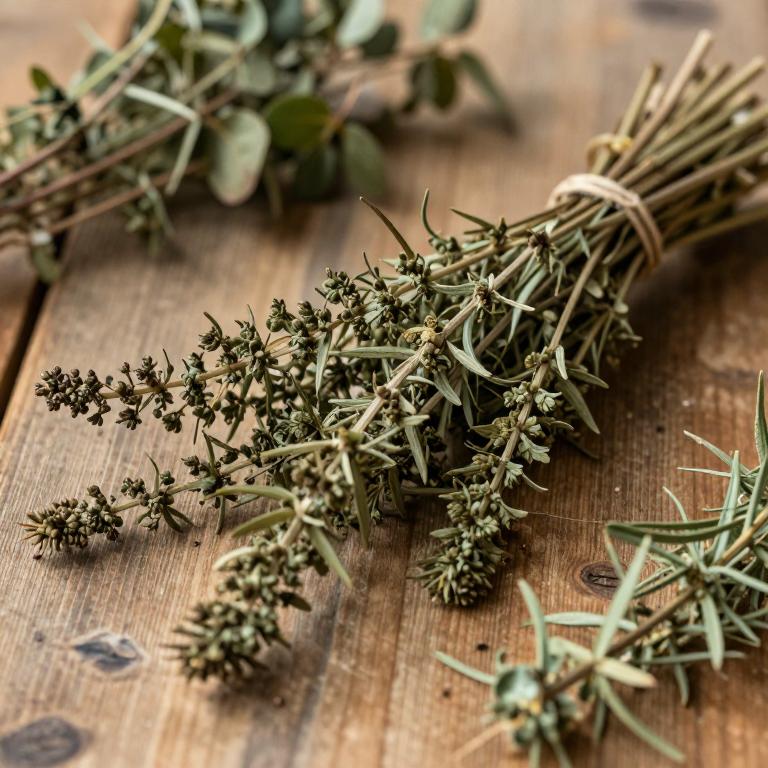
- Synonyms
- Not available
- Common names
- Not available
- Family
- Polygonaceae
- Distribution
- Not available
- Plant Parts
- Flower · Stem
Classification
Common Names
Rumex tunetanus is a distinctive plant species that is widely recognized by its common name, Patience de Tunisie. This botanical specimen plays a unique role within its specific ecological niche, establishing vital connections with the surrounding environment. By interacting with local soil compositions and pollinators, the plant fosters a delicate biological balance. Understanding these natural associations provides valuable insight into the complex web of life found in its native habitat. Consequently, studying its relationships helps researchers better appreciate the intricate survival strategies of this specific species.
Sources: Catalogue of Life (COL)
Taxonomy
Rumex tunetanus is a distinctive member of the kingdom Plantae. This species belongs to the diverse order Caryophyllales, showcasing its evolutionary connections within the plant world. Within this order, it is classified under the class Equisetopsida. It further belongs to the genus Rumex, a group known for its specific structural characteristics. Finally, it is situated within the family Polygonaceae, which defines its botanical lineage.
| Rank | Classification |
|---|---|
| Kingdom | Plantae |
| Phylum | Streptophyta |
| Class | Equisetopsida |
| Subclass | Magnoliidae |
| Order | Caryophyllales |
| Family | Polygonaceae |
| Genus | Rumex |
Sources: The World Checklist of Vascular Plants (WCVP)
Distribution
Geographic Regions
Rumex tunetanus is a plant species primarily defined by its specific geographic presence across the African continent. Within this broad range, it maintains a notable and concentrated distribution throughout Northern Africa. The plant is particularly characteristic of the landscape in Tunisia, where it can be found growing in its native habitat. Understanding these regional patterns is essential for researchers studying the ecological niche of this particular species. Consequently, its limited range makes it a significant subject for botanical studies focused on North African flora.
Sources: The World Checklist of Vascular Plants (WCVP)
Identification
Biological Activities
Compounds
Rumex tunetanus serves as a significant source of various bioactive phenolic compounds within its flowers and stems. Comprehensive metabolomic profiling has revealed that this plant contains epicatechin gallate, which is among its most abundant phenolic constituents. Additionally, the chemical composition of the species includes hydroxybenzoic acid, rutin, and luteolin 7-O-rutinoside. The presence of quercetin 3-O-glucoside further contributes to the complex metabolic profile of the plant. Ultimately, these specific compounds are highly correlated with the significant antioxidant properties that make Rumex tunetanus a promising resource for the food and nutraceutical industries.
Conditions
Rumex tunetanus flowers and stems demonstrate significant antioxidant properties through their diverse bioactive profiles. The plant's ability to treat antioxidant activity is closely linked to a high concentration of specific phenolic compounds. Research shows strong positive correlations between antioxidant capacity and the abundance of hydroxycinnamic acids, hydroxybenzoic acids, flavonols, and flavones. Specifically, compounds such as rutin, quercetin, and luteolin-7-O-rutinoside play critical roles in driving these antioxidant effects. Ultimately, the presence of these identified metabolites confirms that Rumex tunetanus serves as a potent source of antioxidant activity.
Preparations
Parts used
Rumex tunetanus serves as a significant subject for metabolomic profiling, specifically regarding its distinct biological components. Recent studies have focused on analyzing the unique chemical compositions found within the plant's flowers and stems. By utilizing advanced mass spectrometry, researchers identified sixty different compounds distributed across these specific parts. The analysis revealed that the flowers and stems possess different bioactive profiles, such as quercetin-3-O-glucuronide and (-)-epicatechin gallate. Ultimately, the antioxidant properties found in both the flowers and the stems suggest that this plant holds great potential for the food and nutraceutical industries.