Rumex scutatus
Rumex scutatus · Accepted scientific name
Scientific literature: Very Sparse (0 studies) · ★☆☆☆☆
Rumex scutatus is a specialized botanical species known for its unique medicinal properties in traditional practices. Within certain herbal traditions, this plant is specifically utilized to address digestive distress and gastrointestinal ailments. It is most notably recognized for its potential application in managing the symptoms associated with dysentery. By leveraging its bioactive compounds, practitioners aim to restore intestinal balance and alleviate inflammation. Understanding its role provides insight into the historical relationship between flora and human digestive health.
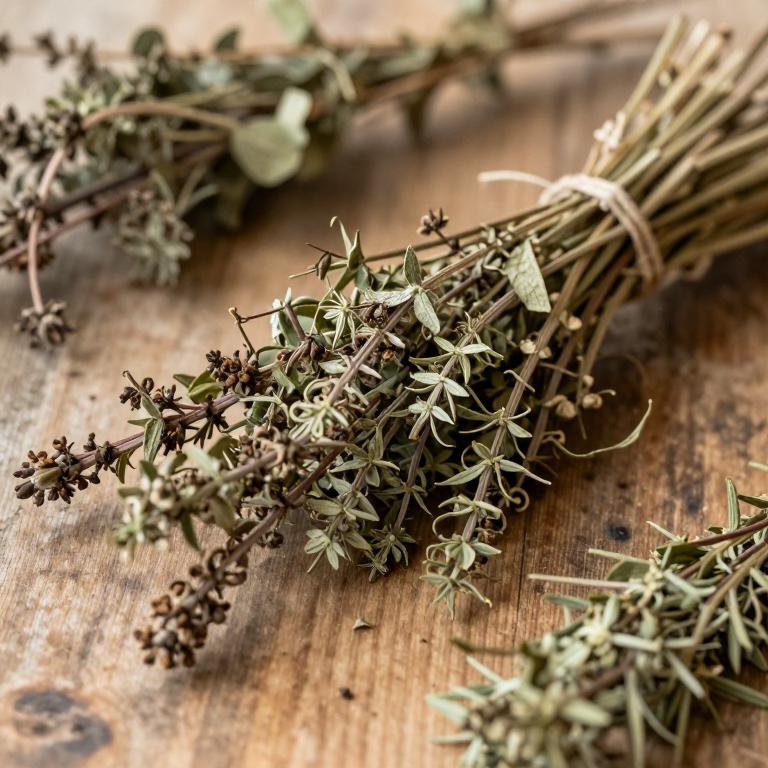
- Synonyms
- Acetosa Scutata · Lapathum Scutatum
- Common names
- Not available
- Family
- Polygonaceae
- Distribution
- Australasia
- Plant Parts
- Not available
Classification
Common Names
Rumex scutatus is a versatile plant recognized by a variety of different names across various regions and languages. It is widely known by its common English names, such as Buckler-leaved Sorrel and French Sorrel. In different cultural contexts, it is also referred to as Acedera romana or Badola. Additionally, the plant carries the name Ekşimen in certain traditional settings. These diverse aliases highlight the widespread recognition and varied botanical identity of this specific species.
Sources: Catalogue of Life (COL)
Synonyms
Rumex scutatus is a botanical species that is often identified through various scientific designations. In botanical literature, this plant is recognized by the synonym Acetosa scutata. Furthermore, researchers may also encounter it listed under the name Lapathum scutatum. These synonymous relationships highlight the complexity of taxonomic classifications within the genus. Understanding these overlapping names is essential for accurate identification in plant studies.
Sources: The World Checklist of Vascular Plants (WCVP)
Taxonomy
Rumex scutatus is a unique organism belonging to the vast kingdom Plantae. Within this kingdom, it is classified under the class Equisetopsida. It further descends through the order Caryophyllales, showcasing its specific evolutionary lineage. As a member of the genus Rumex, it shares close ties with many other dock species. Finally, this plant is firmly nested within the diverse family Polygonaceae.
| Rank | Classification |
|---|---|
| Kingdom | Plantae |
| Phylum | Streptophyta |
| Class | Equisetopsida |
| Subclass | Magnoliidae |
| Order | Caryophyllales |
| Family | Polygonaceae |
| Genus | Rumex |
Sources: The World Checklist of Vascular Plants (WCVP)
Distribution
Geographic Regions
Rumex scutatus exhibits a broad geographical range throughout the Asia-Temperate region. This plant is commonly found across the Caucasus and Transcaucasus mountains, stretching through the North Caucasus as well. Its distribution extends deep into Central Asia, with significant populations located in Kazakhstan. Furthermore, the species can be found in the Siberian Altay region and throughout Western Asia, specifically within Iran. These diverse locations highlight the resilient nature of the species across various Asian landscapes.
Sources: The World Checklist of Vascular Plants (WCVP)
Identification
Morphology
Rumex scutatus is a self-supporting herb characterized by its distinct growth form. This plant exhibits significant variability in stature, ranging from a minimum height of 0.1 meters to a maximum of 1.2 meters. Within this range, it frequently establishes itself at a baseline height of approximately 0.3875 meters. Such dimensional flexibility allows the species to adapt effectively to its specific environmental conditions. Overall, these physical attributes define the structural presence of the species in its natural habitat.
Sources: Global Inventory of Floras and Traits (GIFT)
Biological Activities
Compounds
Conditions
Rumex scutatus is identified as one of the fourteen species within the genus Rumex that has been studied for its antibacterial properties. According to traditional medicine practices mentioned in the research, plants of this genus are utilized to treat various diseases caused by microorganisms. Specifically, these plants are used for the treatment of bacteria-related dermatologic conditions. Furthermore, the genus is known for its medicinal application in treating dysentery. Through antibacterial screening, the potential of species like R. scutatus to address such infections is explored.